REVIEW · SEOUL
Seoul: Kpop Dance Class Including Video Shooting & Editing
Book on GetYourGuide →Operated by YN Company · Bookable on GetYourGuide
K-pop moves are fun, then the camera makes them real. This 90-minute class with video shooting and editing included turns a quick choreography lesson into something you can share later, led by K-pop choreographers and dancers currently working in Korea. I also like that the open classes run in English, so you can focus on the steps instead of translating in your head. One thing to watch: studio logistics can be tricky, and one participant (Tanya) noted the class started after they were directed to a different location.
You get a structured session that’s beginner-friendly in approach (lots of step-by-step coaching) but still challenging in execution once the choreography starts. If you want a K-pop memory that feels like an idol set-day rather than a simple class, this hits the mark. Just plan on comfortable clothes and shoes, and don’t treat it like a slow stretching workshop.
In This Review
- Why This 90-Minute Session Feels Like a Seoul Highlight
- Getting to YN Company Without Wasting Your Timing
- Warm-Up and Rhythm Training: How You Stop Feeling Clumsy
- The 60-Minute Choreography Block: Where the Real Work Starts
- Filming Yourself for 10–15 Minutes: The Best Part of the Day
- Practice Time and Socializing: Turning Moves Into Connections
- Language Coverage: English Open Classes, Plus Private Options
- Price and Value: What $53 Buys (and Why It’s Not Just a Dance Lesson)
- Who Should Book This Class in Seoul
- Should You Book YN Company’s K-Pop Dance Class?
- FAQ
- How long is the K-pop dance class?
- Is the open class taught in English?
- Does the price include video shooting and editing?
- Will I get the video after the class?
- Can I book a private class, and what languages are available?
- Can I choose the song for a private class?
- What should I bring to the class?
- Are high-heeled shoes allowed?
- What happens if there aren’t enough participants?
- Is there an age limit?
Why This 90-Minute Session Feels Like a Seoul Highlight
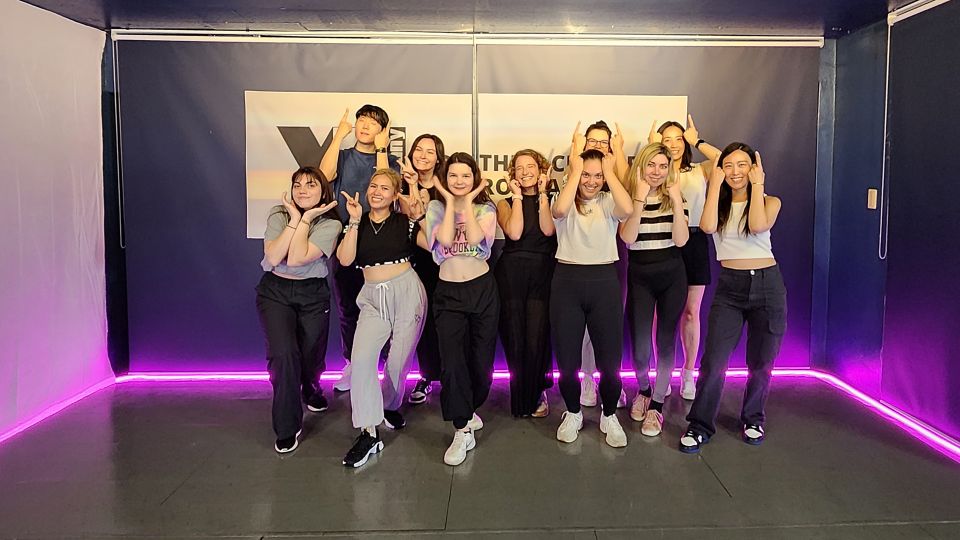
- English-first open classes help you learn faster and ask questions without guessing
- Pro-level choreography coaching from instructors actively dancing and choreographing in Korea
- Video shooting + editing included so you leave with finished footage, not raw practice
- A clear training flow (warm-up, rhythm, choreography, then filming) that keeps you from feeling lost
- A social reset after you learn, with practice time to run the moves again and meet other K-pop fans
- Private classes available if you want a specific song or language (Korean, English, Mandarin, Russian)
Getting to YN Company Without Wasting Your Timing
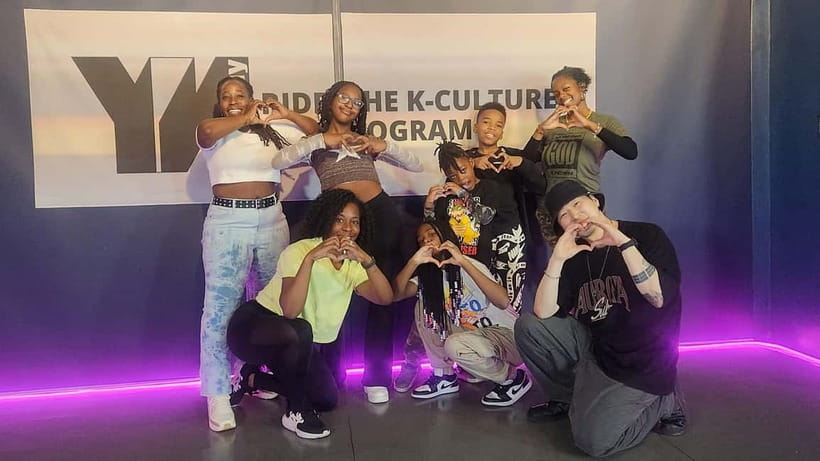
The class is run by YN Company, and the directions you need are linked through their Way to YN Company video. Give yourself a little buffer. The schedule is 90 minutes, and the class start time matters.
This is the part that can make or break the experience. Tanya (United States) said she arrived early but the session began after the group had walked to a different location. If you’re the type who double-checks everything, you’ll do well here.
What to bring is simple: comfortable shoes and comfortable clothes. High-heeled shoes aren’t allowed, which is a good rule for both safety and actually being able to move cleanly.
Also note one practical reality: if there aren’t enough participants (minimum is 5), the class can be adjusted or canceled. That doesn’t mean you should panic. It does mean you should check on the day and keep a flexible plan.
You can also read our reviews of more tours and experiences in Seoul


Warm-Up and Rhythm Training: How You Stop Feeling Clumsy
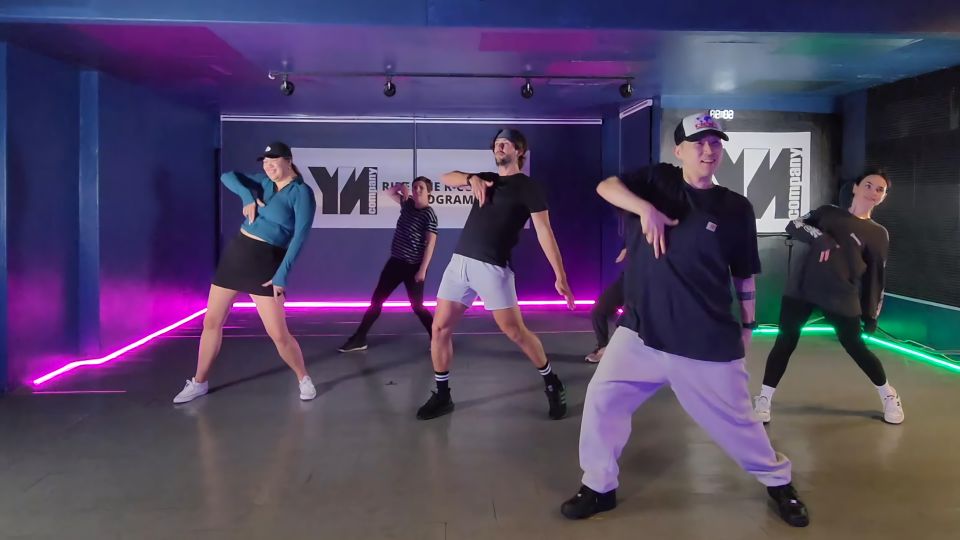
The session opens with a short warm-up (about 5 minutes), then rhythm training for another 5 minutes. It’s brief, so don’t expect a full gym-style stretching routine. Instead, think of it as switching your body into K-pop mode.
The rhythm part is where you start building control. Multiple people in the class feedback talked about how the instructor breaks down beats and guides you through the choreography timing. That matters because K-pop dance isn’t just arm-flinging. The groove lives in your timing.
If you’re returning after a long break from dancing, this section is your friend. Keira (Australia) described the class as fun even after being away from dancing for years, and that same “make it doable” teaching shows up again and again in the feedback.
The 60-Minute Choreography Block: Where the Real Work Starts
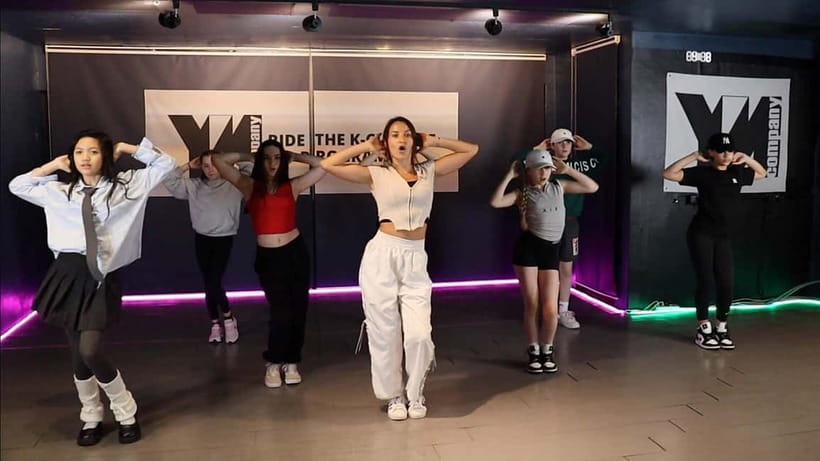
After warm-up and rhythm, you get the main event: 60 minutes of K-pop choreography. The instructors are K-pop choreographers and dancers actively working in Korea, so you’re not learning watered-down novelty steps.
The teaching style tends to be practical and incremental. Several people mentioned that the instructor teaches step-by-step, even when the choreography is hard. Jane (United Kingdom) said she managed it even though she’s a terrible dancer, which is exactly the kind of outcome you want for a first-time class.
The pace is real. One dancer (Takoda, United States) called the class super fast-paced and noted they could have used an extra water break. Another person (Ellie, France) wished the class was longer because the moves felt harder than expected. Translation: be ready to work, and be ready to repeat.
Also, you can expect songs that fit current K-pop energy. Some class choices you’ll see referenced include Dynamite and Soda Pop. If you’re a K-pop fan, that helps the whole session feel more like a fandom experience than just counting steps.
Filming Yourself for 10–15 Minutes: The Best Part of the Day
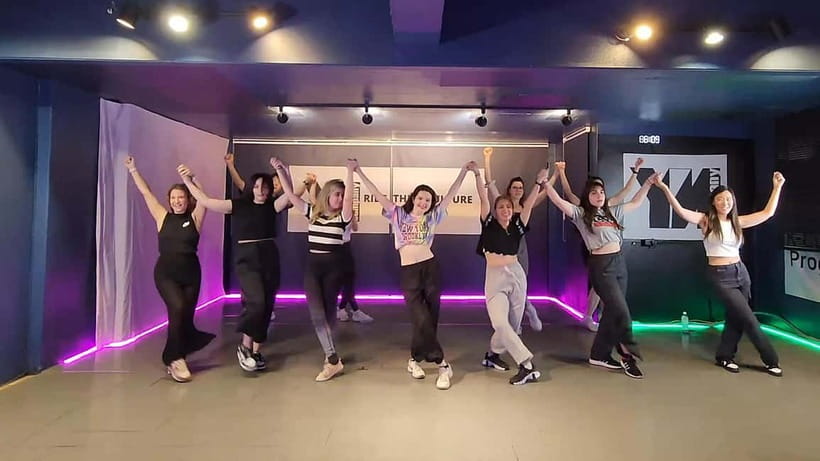
Then comes the camera moment: about 10–15 minutes of video shooting. This is why the class feels different from typical dance lessons. You’re not just learning. You’re learning while being filmed like a mini performance.
The shooting setup also forces clarity. You get more comfortable faster because you can’t hide behind “we’ll get to it later.” And the cameraman approach seems designed to calm people down. Crystal (United States) highlighted that the cameraman made them comfortable and got strong shots.
In practice, the instructor will position you and guide you through the choreography so everyone ends up readable on camera. That’s also why you’ll get people saying they felt they could dance in front of the camera, even if they usually avoid it.
After shooting, the video isn’t edited on the spot. The footage is edited and made available to watch on the activity provider’s YouTube channel. So you’re not stuck waiting with low expectations. You’ll get something polished later.
Practice Time and Socializing: Turning Moves Into Connections
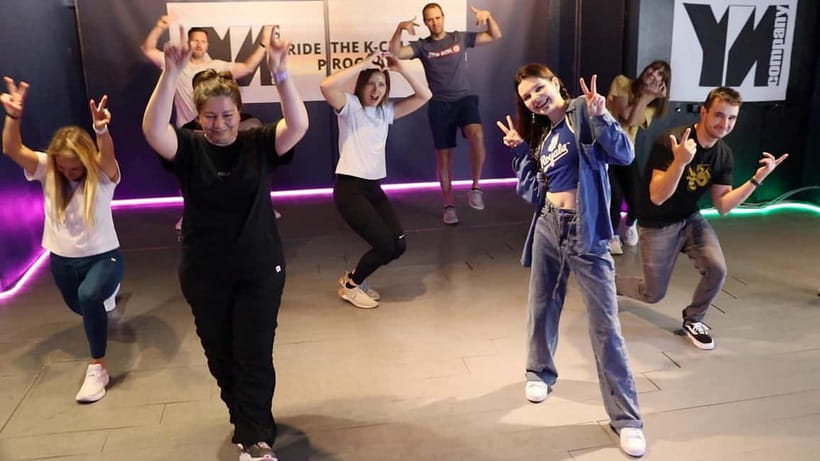
You’re given 5–10 minutes for personal practice and socializing. That’s a small window, but it’s meaningful. It lets you run the parts you struggled with and try a couple of angles before you’re done.
One participant (Lawrence, Luxembourg) mentioned doing solos and duos after the choreography. That may not happen the exact same way in every class, but the structure leaves room for it. If you like performing, this is where you can get a little braver.
This is also where friendships start. The class explicitly encourages meeting international K-pop friends, and the feedback backs that up. People doing the activity solo said they didn’t feel awkward. That’s usually a good sign when you’re traveling alone and want something social without a big group tour.


Language Coverage: English Open Classes, Plus Private Options
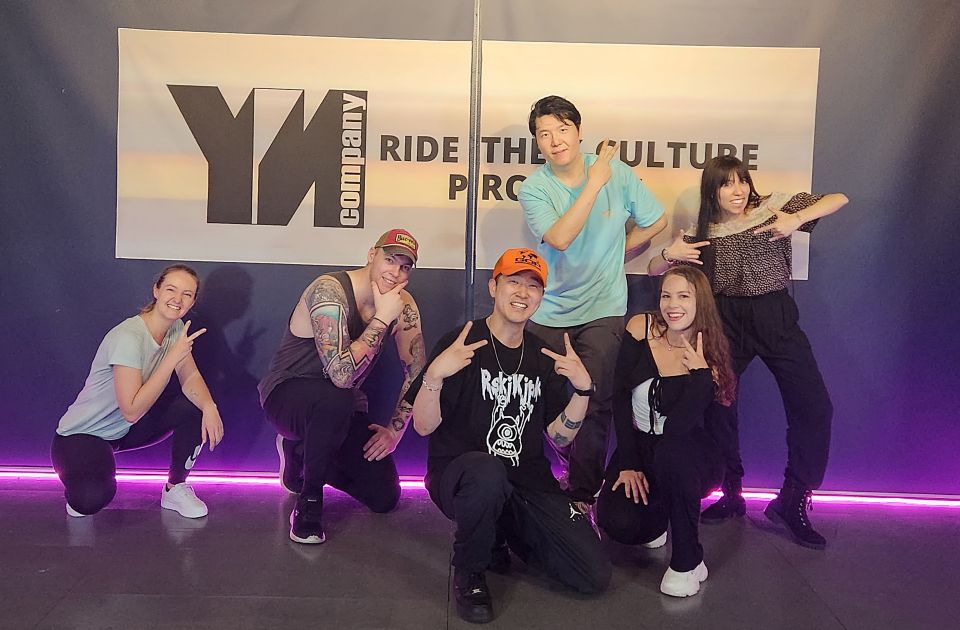
Open classes are conducted in English. For most visitors, that’s the key. You can follow choreography counts, learn what your instructor is fixing, and keep up without a language barrier.
If you prefer a private setting, you can choose classes in Korean, English, Mandarin, and Russian. Private classes also let you pick your schedule and select the song you want to dance to. That’s a big advantage if there’s one specific track you want to nail.
A host or greeter is listed across English, Korean, Russian, and Chinese. So even when you’re in an English open session, you’re likely not totally on your own for basic communication.
Price and Value: What $53 Buys (and Why It’s Not Just a Dance Lesson)
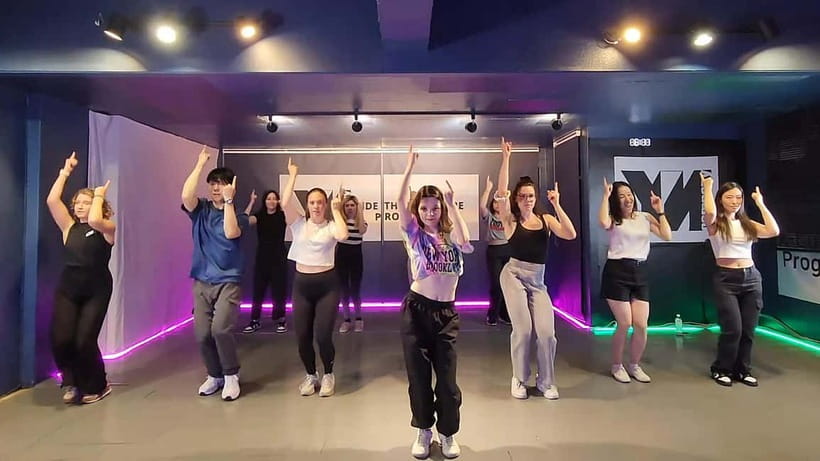
At $53 per person for 90 minutes, the biggest value driver is that the price includes free video shooting and editing. In many travel situations, you can take a workshop. You can even learn steps. But getting finished footage that looks like a real shoot usually costs extra.
Here, you’re paying for three things at once:
- coaching from active choreographers
- filming you can actually use later
- editing that turns practice into a final clip
You also get structured time rather than a vague “dance and good luck” style class. Warm-up and rhythm are short, but choreography time is long enough to learn something real, and the shooting block makes the day feel complete.
What’s not included is personal expenses or any other costs not listed. That part is normal. The key is: your main activity cost covers your coaching plus your video output.
In short, if you like K-pop enough to want a keepsake, this is one of the more practical ways to turn your trip into something shareable.
Who Should Book This Class in Seoul
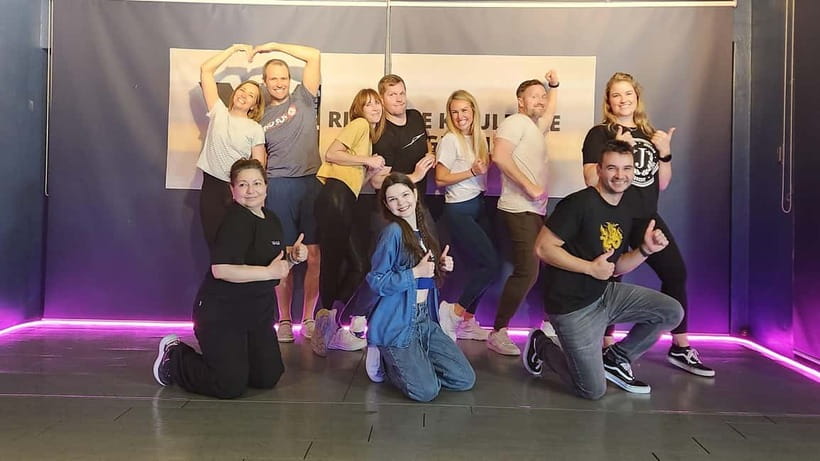
This works well if you:
- love K-pop and want to learn a current-style highlight choreography
- want beginner-friendly coaching that breaks down steps
- travel solo and want a social atmosphere without complicated plans
- care about video footage of yourself learning, not just watching from the sidelines
It’s also a solid option if you’re returning to dancing after time away. People referenced that kind of “I haven’t danced in years” experience and still found it doable.
There are limits. It’s not suitable for children under 13. So plan accordingly if you’re traveling with younger kids.
And be honest about expectations: this is 90 minutes. You’ll get a real workout and a real choreography attempt, but it’s not a multi-day intensive. If you want slow mastery over several sessions, you might prefer a longer private training plan.
Should You Book YN Company’s K-Pop Dance Class?
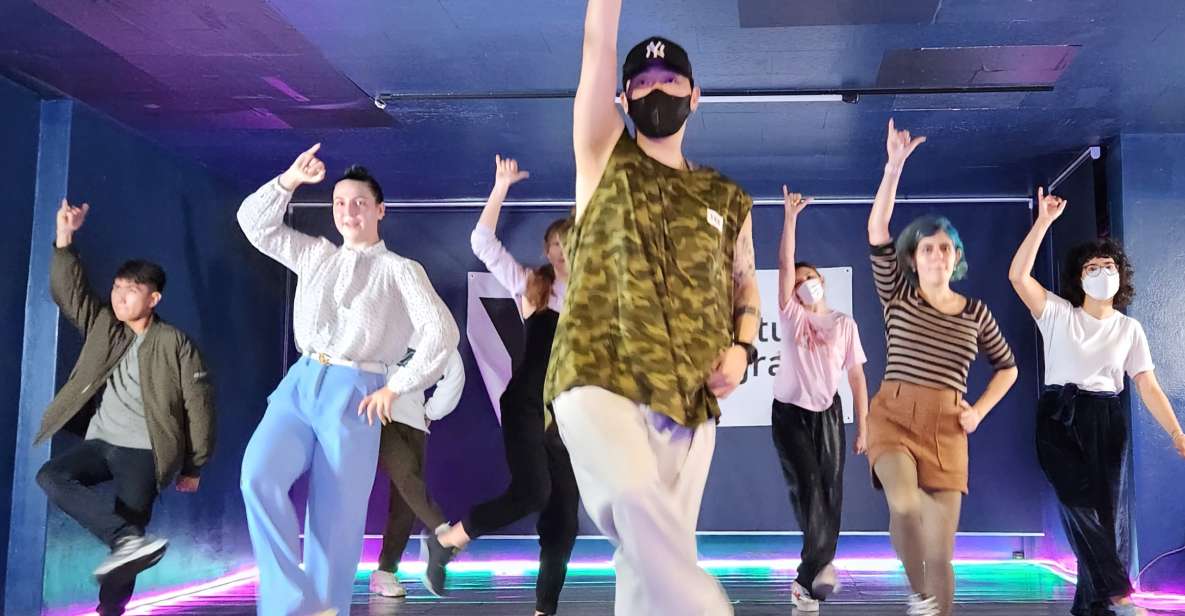
I’d book it if you want a Seoul activity that feels like pop culture, not just tourism. The included filming and editing turn the class into a souvenir with actual replay value. The English open class format is a huge practical win, especially if you’re juggling travel logistics and language on the ground.
Before you go, do three things:
- Confirm you know the exact studio location the day-of, and arrive with a buffer. Tanya’s experience shows that being early doesn’t always prevent a location walk.
- Wear shoes you can pivot and land in. High heels are out, and comfort matters once the pace picks up.
- Treat it as active learning. Several comments mention the choreography can be more challenging than expected, so come ready to work, not just spectate.
If you’re a K-pop fan, or you want to try something fun and different that still respects your time, this class is a strong bet in Seoul.
FAQ
How long is the K-pop dance class?
The class lasts 90 minutes.
Is the open class taught in English?
Yes. Open classes are conducted in English.
Does the price include video shooting and editing?
Yes. Video shooting and editing are included in the price.
Will I get the video after the class?
Yes. The recordings are edited and made available to view on the activity provider’s YouTube channel.
Can I book a private class, and what languages are available?
Private classes are available in Korean, English, Mandarin, and Russian.
Can I choose the song for a private class?
Yes. For private classes, you can select your preferred song.
What should I bring to the class?
Bring comfortable shoes and comfortable clothes.
Are high-heeled shoes allowed?
No. High-heeled shoes are not allowed.
What happens if there aren’t enough participants?
The schedule may be adjusted or canceled if there are fewer than 5 participants.
Is there an age limit?
Yes. It’s not suitable for children under 13.