REVIEW · SEOUL
Private Seoul City Tour
Book on Viator →Operated by Top Korea Tour · Bookable on Viator
Seoul, neatly packed into one day. This private full-day tour lines up major sights with hotel pickup and a smooth route, and the day’s anchor is the palace-changing-guard experience (or a Tuesday swap to UNESCO Changdeokgung).
I love how the plan mixes royal Seoul with everyday neighborhoods, so you don’t just see monuments—you understand how the city ticks. On top of that, your guide has enough flexibility to adjust timing when it matters.
My second favorite part is the market leg. Gwangjang Market is where the tour turns from sightseeing into real food-and-life in Seoul, and a great guide helps you figure out what to order and how to move through the stalls without feeling lost.
One possible drawback: the stops are timed (most are about 30–40 minutes), so if you like to linger, you’ll need to lean on your guide for smart pacing and priorities.
In This Review
- Key things I’d plan around
- A private, efficient Seoul core—no subway math required
- Palace morning: Gyeongbokgung’s guard ceremony (or Changdeokgung on Tuesdays)
- Bukchon Hanok Village: 1930s-style hanoks and photo-ready streets
- Jogyesa Temple: a downtown temple with a big religious role
- Gwangjang Market: where the day turns into Korean food and shopping
- Naksan Park and the Seoul Wall: city views with real defensive history
- How the 8 hours actually works: pacing, customization, and sanity
- Price and value: what $210 buys you in Seoul
- Who should book this private Seoul city tour?
- Should you book it?
- FAQ
- What is the duration of the Private Seoul City Tour?
- What time does the tour start?
- Is hotel pickup and drop-off included?
- Are entrance fees included?
- Is this tour private?
- What happens on Tuesdays when Gyeongbokgung Palace is closed?
- Is lunch included?
Key things I’d plan around
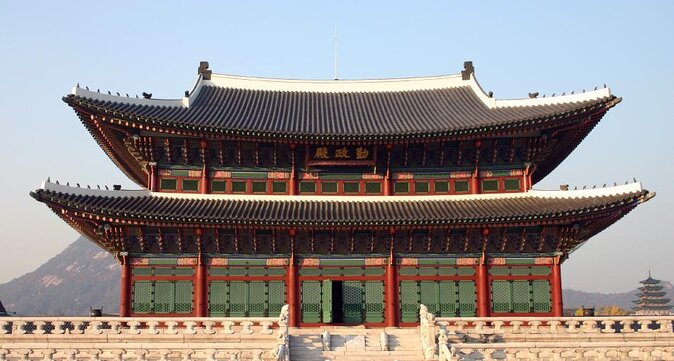
- Palace day depends on the calendar: Gyeongbokgung with the Changing of the Guard, but Tuesdays swap to Changdeokgung.
- Short, intentional visits: you’ll see a lot, but you won’t get hours at each stop.
- Downtown Buddhism stop included: Jogyesa Temple is free and historically important.
- Gwangjang Market with a guide: helps with ordering and navigating a busy classic market.
- Naksan Park for Seoul Wall views: you get the ancient boundary line of the city, plus scenery.
- Private means private: only your group rides in the air-conditioned vehicle.
A private, efficient Seoul core—no subway math required
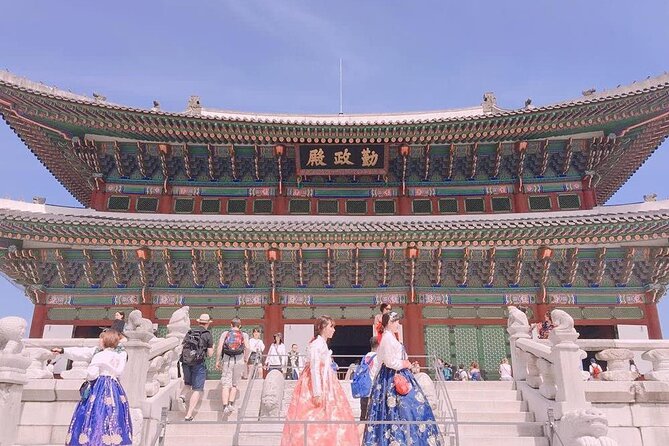
This tour is built for people who want old Seoul without spending the day routing buses, trains, and transfers. You get hotel pickup and drop-off, plus air-conditioned transport in a minivan. That matters because Seoul can be faster than you expect in the car—and slower than you expect when you’re walking across the “correct” hills.
The day runs about 8 hours starting around 9:30am, and it’s scheduled with enough moving time to hit five major stops without turning it into a sprint. You’ll still walk, and the tour asks for moderate physical fitness, but it’s paced like a real day out, not a checklist you race through.
If you’re traveling with teens, you’ll probably appreciate how guides tend to keep things moving and explain what you’re seeing in a way that doesn’t put everyone to sleep. If you’re traveling with seniors, the private format is also a big help—your guide can keep an eye on breaks and pacing.
You can also read our reviews of more city tours in Seoul
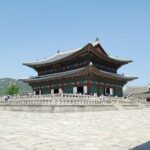
Palace morning: Gyeongbokgung’s guard ceremony (or Changdeokgung on Tuesdays)
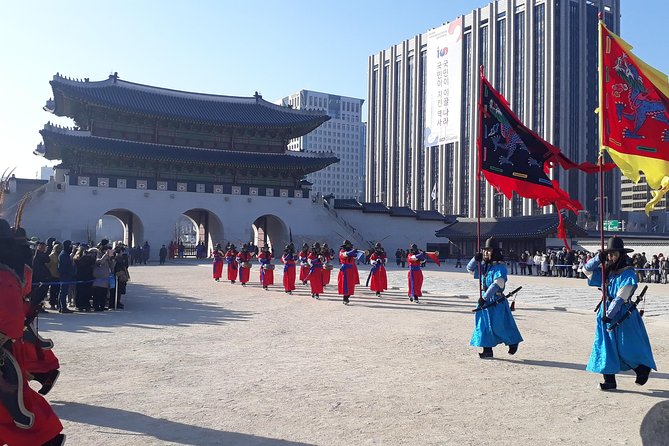
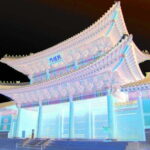
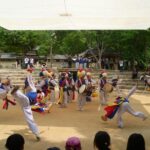
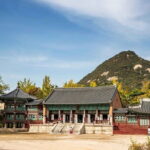
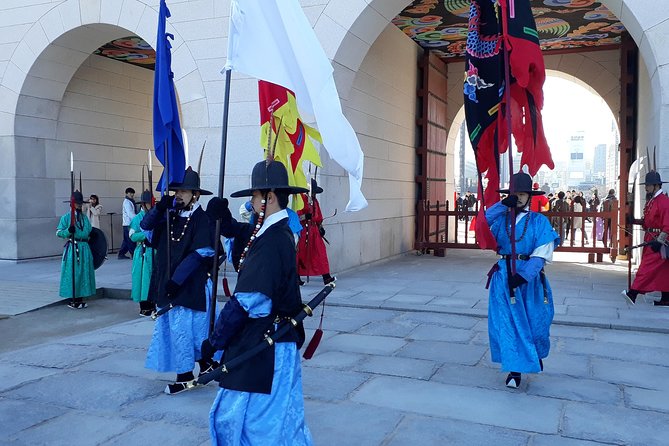
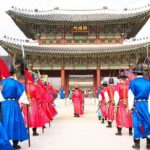
The tour’s first real wow moment is the palace stop, and it’s chosen for one reason: ceremonies and stories. At Gyeongbokgung Palace, you’re set up for the Changing of the Guard ceremony and a look at the main royal palace setting that defines the feel of central Seoul.
Timing matters here. The changing-guard moment is the kind of thing you don’t want to miss, which is exactly why having a guide and a planned schedule helps. You’re also covered for palace entry at this stop, so you’re not juggling tickets while trying to arrive in the right place.
There’s also a smart calendar adjustment: Tuesdays are closed at Gyeongbokgung, so the tour visits Changdeokgung Palace instead. Changdeokgung is a UNESCO World Heritage Site, and even if you’re comparing palaces in your head, the key takeaway is simple: the tour protects the royal-palace experience, not just the location name.
Practical tip: if your travel dates include a Tuesday, don’t worry. You’re still getting a major palace day—just a different one.
Bukchon Hanok Village: 1930s-style hanoks and photo-ready streets
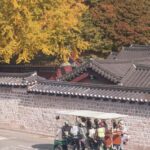
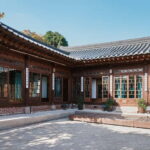
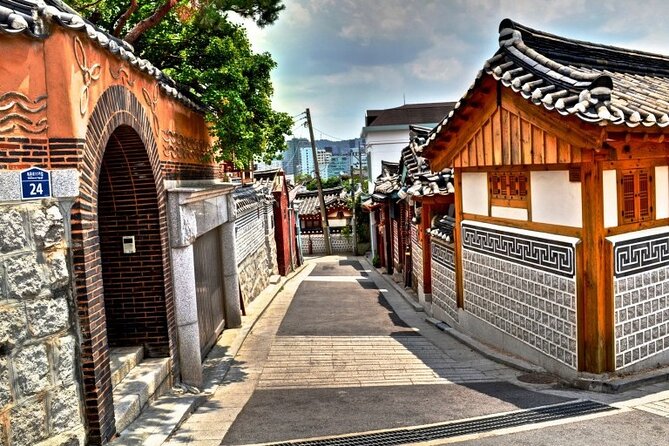
Next up is Bukchon Hanok Village, the place people imagine when they picture Korea’s traditional neighborhoods. The tour time here is about 40 minutes, and you’ll see the hanok houses built in the 1930s, plus the tight streets that make this area feel like a living museum.
What I like about this stop is that it’s not only about architecture. It’s also a geography lesson: you get a sense for how neighborhoods stack together between palace areas and everyday parts of the city. And because hanoks are close together, your guide can point out the details that make them readable—without sending you down an endless rabbit hole.
The admission is free for this stop, so you’re not paying extra just to walk the lanes and take in the atmosphere. Still, 40 minutes can feel like a lot—or like not enough—depending on your photo habits. If you want more time, this is the moment to tell your guide what you care about most (views, architecture details, or slower wandering).
Jogyesa Temple: a downtown temple with a big religious role
After Bukchon, you’ll head to Jogyesa Temple, a smaller temple tucked into downtown Seoul. The focus here isn’t size—it’s significance. The tour explains it as the head temple for the Jogye order, which is the largest form of Buddhism in Korea.
This stop is about 30 minutes and admission is free, which makes it a great breath between palace areas and market crowds. If you’ve only ever associated Buddhism with museums or far-off monasteries, this one gives you a different angle: religion that’s right in the city’s daily flow.
Also, Jogyesa is useful for pacing. After walking Bukchon, you get a calmer setting for a reset, and then you swing back into energy at the market.
Gwangjang Market: where the day turns into Korean food and shopping
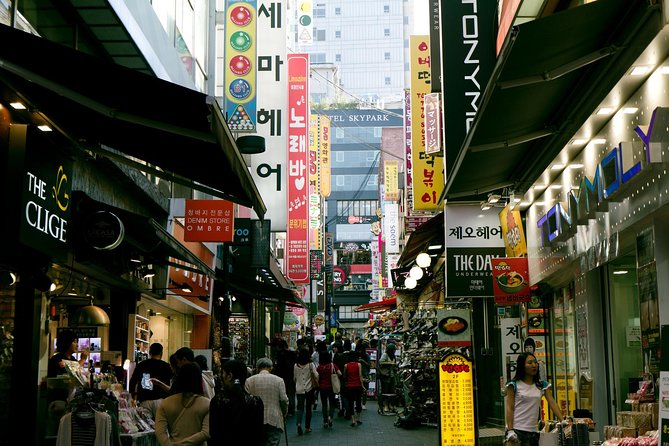
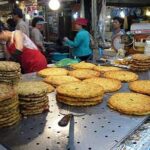
If Seoul is a book, Gwangjang Market is where you taste the plot. This stop runs about 40 minutes, and it’s free to enter.
The value of coming with a guide here is simple: markets look easy until you’re standing in front of a dozen choices and you don’t know what’s worth your time. With a knowledgeable guide, you can focus on what matters—tasting what people actually eat and learning what’s sold here for everyday Korean life.
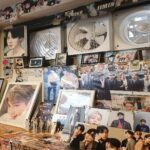
A few food favorites you may encounter in this market include tteokbokki, sundae, and odeng. You’ll also find ways to shop beyond food, including hanbok and fabric stalls, which gives the market a broader cultural hook than a pure street-food stop.
One more reason I like this market stop: it’s not just “eat and leave.” Your guide helps connect the dots—how Korean meals work, how stalls are organized, and how locals move through the space. That kind of context is hard to replicate on your own during a busy lunch-hour rush.
Budget note: lunch isn’t listed as included, and the tour doesn’t include snacks, coffee/tea, or alcoholic drinks. So plan to pay for your own meal choices here. The good news is that your market time is designed to make that payment feel worth it, not like you’re wasting it on overpriced convenience food.
You can also read our reviews of more private tours in Seoul
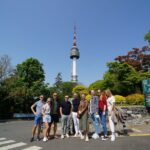

Naksan Park and the Seoul Wall: city views with real defensive history
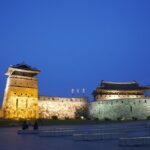
The final stop is Naksan Park, about 30 minutes, with a view-focused mission: you’ll see sections of the Seoul wall, built to protect the city.
This is one of those stops that works on two levels. First, it’s scenery—useful if you want a final skyline moment before returning to your hotel. Second, it gives you a historical line you can connect to everything earlier in the day. Palaces tell you power; the wall tells you how a city protected itself.
Because Naksan is at the end of the tour, it also functions like a graceful closer. You’re not forced into one more museum-like experience. Instead, you’re walking in a scenic area and absorbing one last piece of Seoul’s shape.
If you’re the type who wants one “memory photo” to anchor the day, this is a strong candidate.
How the 8 hours actually works: pacing, customization, and sanity
At a glance, five stops doesn’t sound like enough to fill a full day. But the gaps matter: travel time, repositioning, and the little moments that turn a sightseeing day into a real experience.
The tour is designed to maximize your time with a custom-made itinerary. You’re not locked into a rigid script that ignores weather or the flow of crowds. In practice, that means your guide can adjust the order or timing when it improves views or makes the day easier to manage.
Two guide names come up again and again in the way people describe this experience: Miae and Juno. When guides like them are leading the day, the impact is obvious in small ways—explaining history in plain language, keeping the group moving at a comfortable pace, and answering the follow-up questions that usually pop up once you start paying attention.
You’ll also appreciate how private format helps with logistics. The included transport is air-conditioned, and the group rides together without waiting around for other people’s tickets, pace, or bathroom breaks. If you’re someone who hates feeling rushed, this kind of structure is a real quality-of-life upgrade.
Price and value: what $210 buys you in Seoul
This tour costs $210 per person for an approximately 8-hour private day. That’s not cheap, but it’s also not random.
Here’s what you’re paying for:
- Hotel pickup and drop-off, which saves time and hassle.
- Air-conditioned private transport, which matters between palaces, neighborhoods, and parks.
- Entrance fees for the main palace stop, so you’re not adding ticket costs on the fly.
- A guide-led day, which is the real value when you want context at the palaces and confidence at the market.
If you tried to do this on your own with public transit, you might save money but you’d pay in time and stress—especially if you’re visiting multiple areas across Seoul in one day. The tour bundles the hard parts: routing, timing, and interpretation.
Group discounts are listed as a feature, and the tour has a mobile ticket option. Those are small things, but when you add them up, the package looks built for people who want a clean, low-friction day.
One thing to plan for: lunch is not included, so budget for your meal during the market stop or elsewhere your guide recommends. Also, coffee/tea and snacks aren’t included, though you can purchase them.
Who should book this private Seoul city tour?
This fits best if you:
- Want a first-timer-friendly overview that covers palace life, a traditional neighborhood, a major temple, and a classic market in one day.
- Prefer private pacing over joining a large group.
- Care about explanations—what you’re seeing and why it matters—especially at the palaces and temple.
- Have limited time in Seoul and don’t want to spend half of it figuring out transit.
You might look at something else if you:
- Want long, slow visits with zero schedule pressure. This tour is efficient, and some stops are shorter by design.
- Are traveling on a very tight budget, because private tours cost more than DIY.
Should you book it?
Yes, I’d book it if your goal is a well-run, meaningful Seoul day without the stress of planning every hop. The strongest reasons to say yes are the palace ceremony experience, the Jogyesa Temple stop with religious context, and the fact that Gwangjang Market is handled like a real food-and-culture visit, not a rushed shopping detour.
If you book, do two things to make it smoother: pick your priorities before the day starts (palaces vs. photos vs. market food), and come ready to pay for your own lunch. Done right, this tour gives you a solid sense of old Seoul’s power and everyday Seoul’s rhythm—wrapped into one day that doesn’t feel chaotic.
FAQ
What is the duration of the Private Seoul City Tour?
It’s about 8 hours.
What time does the tour start?
The start time is 9:30am.
Is hotel pickup and drop-off included?
Yes. Hotel pickup and drop-off are included.
Are entrance fees included?
For the palace stop, the admission ticket is included. The other stops listed (Bukchon Hanok Village, Jogyesa Temple, Gwangjang Market, and Naksan Park) have free admission per the tour details.
Is this tour private?
Yes. It’s a private tour, and only your group participates.
What happens on Tuesdays when Gyeongbokgung Palace is closed?
The tour swaps to Changdeokgung Palace on Tuesdays.
Is lunch included?
No. Lunch is not included.