REVIEW · SEOUL
Seoul : Best of Seoul Private Walking Tour
Book on GetYourGuide →Operated by Guydeez Tours · Bookable on GetYourGuide
Seoul is best understood one block at a time. This private walking tour pairs a private, customizable route with a real local guide who can point out what matters, not just what’s famous. I also like that you get practical advice that helps you plan the rest of your trip, from what to eat to how to handle small logistics like travel cards.
The main trade-off is simple: it’s a walking-focused experience, so you’ll want comfortable shoes and a bit of stamina for the full 3 hours.
In This Review
- Key things I’d bank on
- Getting started at Sejong-daero: location and walking pace
- Jogyesa Temple: a calm start that sets the tone
- Gwangjang Market: how a guide helps you eat smarter
- Bukchon Hanok Village: reading hanoks instead of just photographing them
- Gyeongbokgung: the palace visit you’ll understand better afterward
- Customizable and private: why your guide’s choices matter
- Price and value: is $82 per person fair?
- Logistics that actually affect your day
- Who this Seoul tour fits best
- Should you book this private walking tour?
- FAQ
- How long is the Best of Seoul Private Walking Tour?
- Is this tour private?
- What are the main stops on the tour?
- Is hotel pickup included?
- Are tickets to Gyeongbokgung Palace included?
- Does the tour include food or drinks?
- What languages are available for the live guide?
- Is the tour wheelchair accessible?
Key things I’d bank on
- Private and exclusive: it’s only your group, so the pace and focus stay yours.
- A guide who helps beyond landmarks: one guide (Alvaro) even stayed later to help with food and travel cards.
- Four big anchors, one smooth story: Jogyesa Temple, Gwangjang Market, Bukchon Hanok Village, and Gyeongbokgung Palace.
- Customization is built in: you can steer the tour toward what you care about most.
- Walking plus transport when needed: you’ll mostly walk, with public transport depending on the option you choose.
- Ticket help, but not palace admission: the team can help arrange Gyeongbokgung tickets, but they aren’t included.
Getting started at Sejong-daero: location and walking pace
The meeting point is at 172 Sejong-daero, Sejongno, Jongno-gu, near the central pulse of Seoul. That matters because it keeps you in easy reach of several of the city’s key areas—less time getting “somewhere,” more time being there.
This tour is designed as a 3-hour on-foot loop, with time set aside for guided viewing and photo stops. You’re not just sprinting between sites. You’ll actually pause, look, and get direction from your guide on what you’re seeing and why it’s worth noticing.
One more practical note: hotel pickup is available if your place is located in the city. If not, you’ll meet at the central point above. Either way, you’ll want to arrive a few minutes early so you’re not stressed when the group (your group) is ready to move.
You can also read our reviews of more walking tours in Seoul
Jogyesa Temple: a calm start that sets the tone
You’ll begin with Jogyesa Temple, a great way to warm up your Seoul senses before the streets get loud. Temples are more than photo backgrounds here; they’re a chance to slow your brain down and notice details—where people gather, how the space is used, and how the atmosphere shifts the moment you step in.
You’ll get a guided walk through the temple area with time for photos and sightseeing (about 45 minutes). The guide’s value is in connecting what you see with everyday context—so you don’t just read signs, you understand what the place feels like and what to watch for.
Drawback to consider: temples can be quieter and darker than the street outside, so your phone camera may struggle if you’re going for low-light shots. Bring a little patience and aim for a few good frames rather than trying to capture everything at once.
Gwangjang Market: how a guide helps you eat smarter
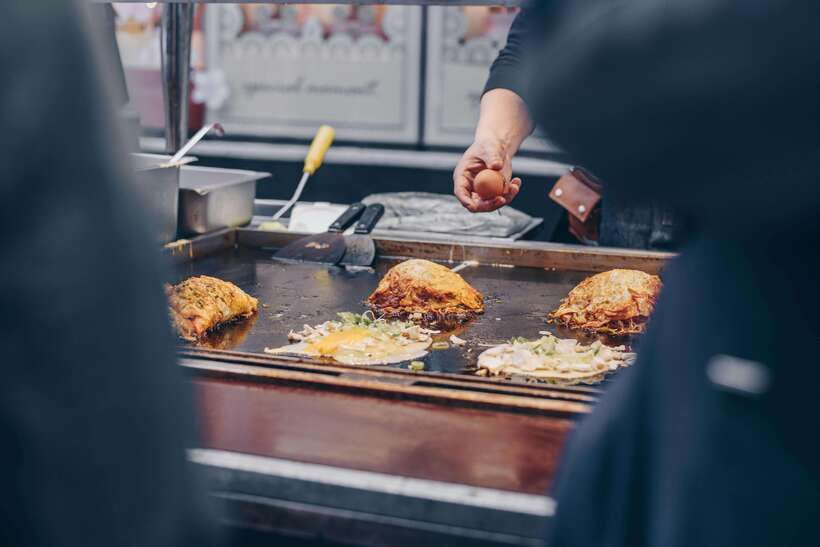
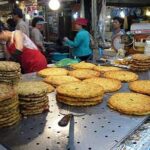
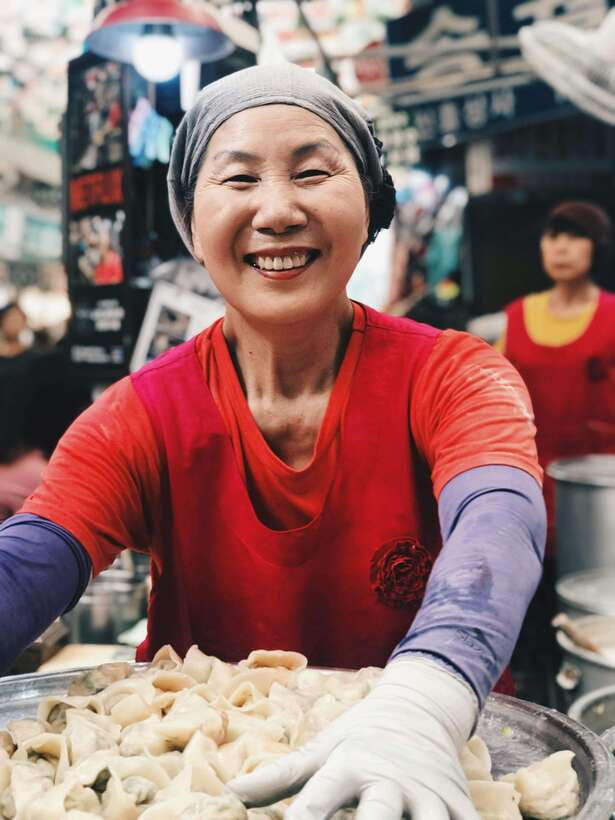
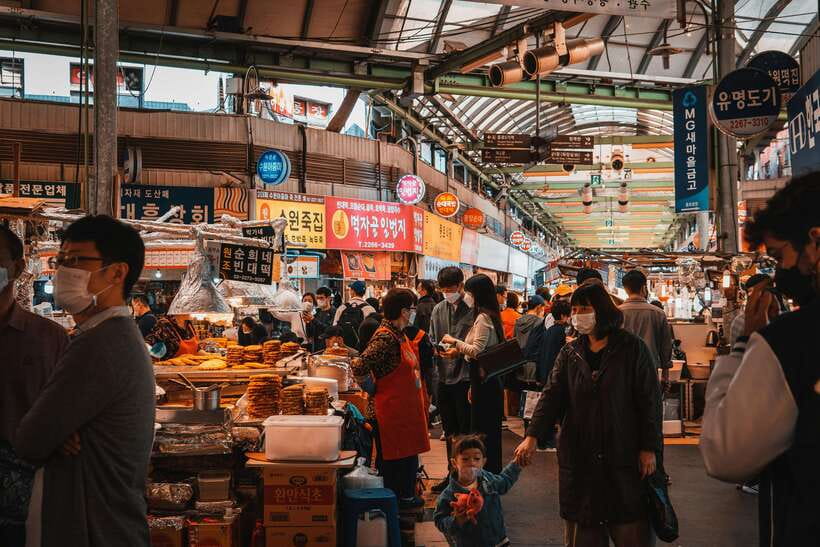
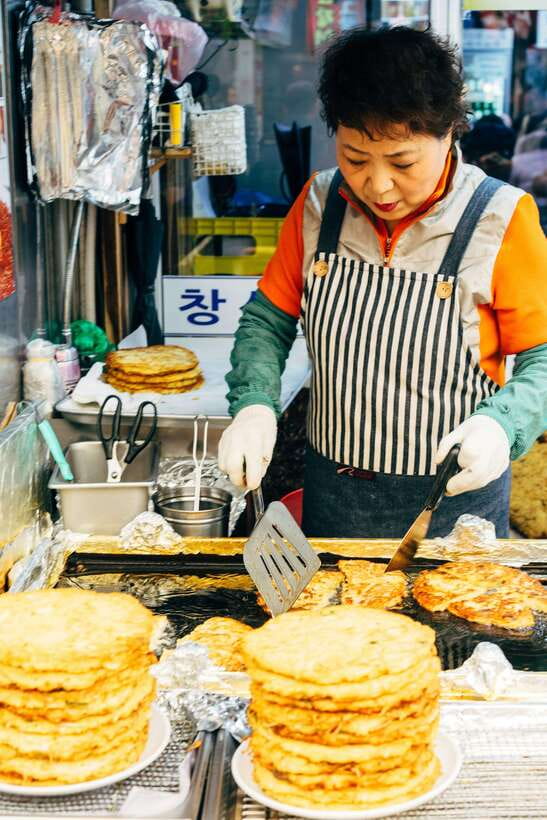
Next up is Gwangjang Market, one of Seoul’s best-known food-and-shopping zones. This is the part where you’ll feel Seoul as a living place: stalls, smells, and people doing what they came to do.
You’ll spend around 45 minutes here with guided touring and photo stops. A strong guide makes a big difference in markets because you don’t want to wander randomly when there are lots of options and busy foot traffic. Your guide can steer you toward items that match what you actually want—whether that’s classic Korean street food, simple snacks, or ingredients worth buying to take back to your room.
Also, this is where the “private” part pays off. In a shared tour, you might get rushed. In your own group, your guide can adjust the tempo—linger at a stall if it’s calling your name, or keep moving if the line is too slow for your mood.
One small consideration: it can get crowded and loud, so if you’re sensitive to noise or prefer slower shopping, you’ll feel better if you start with a clear plan (for example: one snack and one shopping target).
Bukchon Hanok Village: reading hanoks instead of just photographing them
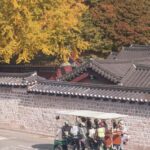
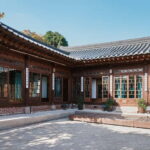
Then comes Bukchon Hanok Village, where you’ll see traditional Korean houses—hanoks—and get that “old Seoul” feeling right in the middle of the modern city. This area is popular, but the best visits aren’t just about looking. They’re about understanding how these neighborhoods work and why the architecture matters.
You’ll get about 45 minutes here for photos, guided touring, and sightseeing. A good guide helps you notice the structure and layout of hanoks, plus how this living heritage connects past and present. Even if you’re not an architecture nerd, you’ll still walk away with a clearer mental picture of what you’re seeing and what makes the neighborhood unique.
Possible drawback: because Bukchon is a walking area, it can involve uneven ground and tight lanes. If you’re dealing with mobility limits, the tour is wheelchair accessible—but you should still plan for a street-level environment that isn’t designed like a museum walkway.
Gyeongbokgung: the palace visit you’ll understand better afterward
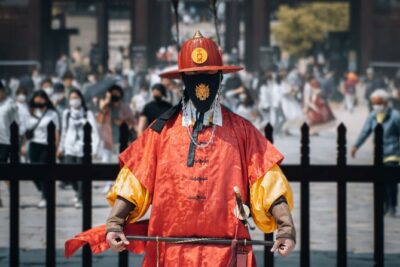
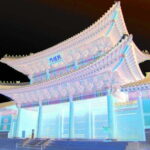
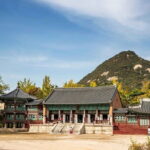
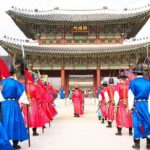
Your loop finishes with Gyeongbokgung, Seoul’s famous palace setting with layers of significance. You’ll have 45 minutes for photo stops and a guided visit.
Important value point: Gyeongbokgung Palace tickets are not included, but the operator team can help you book tickets for the visits you want. That can save you time and stress, especially if you’re trying to line up a palace visit with the rest of your day.
What makes your guide especially useful at Gyeongbokgung is interpretation. You’re not just looking at buildings. You’re learning what the place represents and what details to pay attention to—so it turns into a story you can remember, not a checklist of sights.
One consideration: palaces can mean crowds, even when the walk is well-paced. If you’re the type who likes quiet viewing, go into it expecting some busy moments and focus your attention on the parts your guide directs you to.
You can also read our reviews of more private tours in Seoul

Customizable and private: why your guide’s choices matter
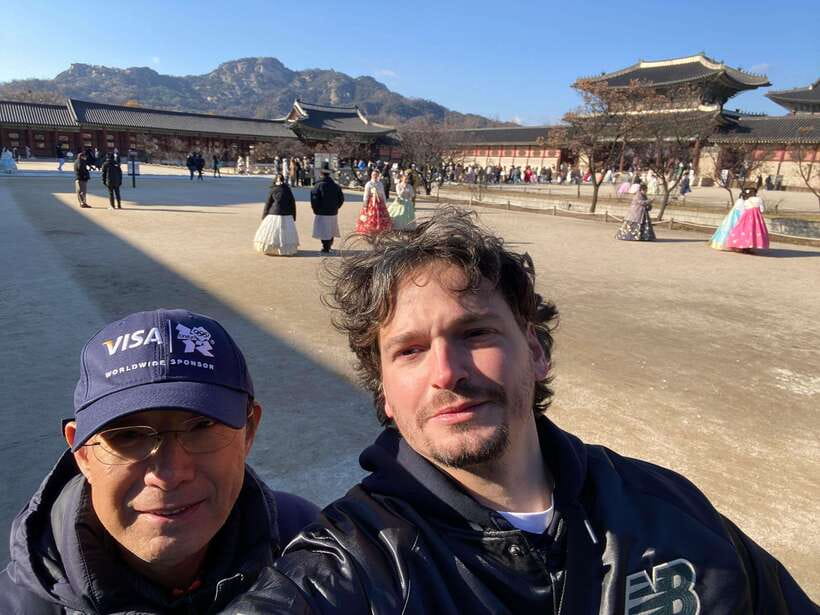
This tour is private and exclusive—there isn’t another group mixed into your experience. That changes everything. You’re not trapped behind someone else’s pace, preferences, or photo habits. If you want extra time at one stop, you can usually ask. If you’d rather move a bit faster through a section, you can.
Customization is part of the promise, so you should treat the guide like a planning partner, not a tour robot. If markets are your thing, ask for guidance on what to sample. If architecture is your thing, ask what to look for in hanoks. If you’re more culture-focused, ask for stories that connect the sites, not just facts.
And here’s a detail worth real emphasis: at least one guide, Alvaro, reportedly stayed later than planned to help with ordering food and loading travel cards. That’s not about the itinerary. It’s about the practical support that makes a first-time Seoul day smoother.
Price and value: is $82 per person fair?
At $82 per person for a 3-hour private walking tour, you’re paying for four things: a guide, a private setup, a route that combines major sights with local context, and help with tickets.
The value gets better because the tour isn’t just “walk and point.” You’ll get guided touring, photo stops, and tips you can use right away—plus the option for hotel pickup if you’re staying inside the city area. You also get help from the team to book the tickets you want (even though Gyeongbokgung admission itself isn’t included).
Is it expensive? It’s not the cheapest way to see Seoul, and you should only book if you want the private experience and guidance. If your priority is self-guided sightseeing and you’re comfortable navigating alone, you can do it cheaper. But if you want to use the time well—without getting stuck figuring out logistics in the middle of the day—$82 can feel like a good deal.
One more value note: public transport isn’t automatically included in every way. The tour includes walking and public transport unless you select an option that changes that. So check how your specific option is set up before you go.
Logistics that actually affect your day
Here are the bits that can make or break the experience, based on what’s included and how the tour runs:
- What’s included: private walking tour, customization, guided touring, photo stops, and help booking tickets. If you’re staying in-city, you can meet at your accommodation for pickup.
- What’s not included: food and drink, and tickets to Gyeongbokgung Palace. Also, you should expect the tour to be mostly on foot, with public transport only depending on your chosen option.
- Languages: the live guide is available in Italian, French, English, and Spanish.
- Accessibility: the tour is wheelchair accessible.
My practical advice: plan to treat this as a culture-and-navigation day. Eat before or after, not during the guided time. And pack water, because you’ll burn energy walking.
Who this Seoul tour fits best
This is a strong fit if you want to see key landmarks without turning Seoul into a stressful map-reading exercise. It’s especially good for:
- First-time visitors who want a structured route but still want room to personalize it.
- People who like markets and street life, not just palaces and museums.
- Travelers who prefer private guiding so the pace stays comfortable.
- Anyone traveling with language needs covered by English, Italian, French, or Spanish.
If you’re the kind of traveler who hates walking or wants long, slow time in one place, you may find the 3-hour format a bit tight. But for a single-day orientation, it’s a solid way to get your bearings fast and learn what to do next.
Should you book this private walking tour?
I’d book it if you want a guided day that connects Jogyesa Temple, Gwangjang Market, Bukchon Hanok Village, and Gyeongbokgung into one coherent Seoul story—with the benefit of private pacing and a guide who’s willing to help beyond the script. The best part is not the list of sights. It’s the way a guide can make the city feel understandable instead of overwhelming.
Skip it if you’re only after the cheapest way to check off famous locations, or if you already know Seoul well enough to self-guide confidently. For many visitors, though, $82 for a private, customizable 3 hours is a fair trade for time saved and context gained.
If you do book, wear comfortable shoes, decide what you want most (food, architecture, or culture), and ask your guide for advice on what to do after the tour—because that’s where the day’s value often keeps paying off.
FAQ
How long is the Best of Seoul Private Walking Tour?
The tour lasts 3 hours.
Is this tour private?
Yes. It’s a private and exclusive tour, with no one else in your group.
What are the main stops on the tour?
You’ll visit Jogyesa Temple, Gwangjang Market, Bukchon Hanok Village, and Gyeongbokgung.
Is hotel pickup included?
Hotel pickup is included if you’re staying in the city. Otherwise, you meet at the listed meeting point.
Are tickets to Gyeongbokgung Palace included?
No. Tickets to Gyeongbokgung Palace are not included, but the team can help you book tickets.
Does the tour include food or drinks?
No. Drinks and food are not included.
What languages are available for the live guide?
The live tour guide is available in Italian, French, English, and Spanish.
Is the tour wheelchair accessible?
Yes, the tour is wheelchair accessible.