REVIEW · SEOUL
Seoul: National Museum of Korea Guided Tour
Book on GetYourGuide →Operated by Korea Guide Tour · Bookable on GetYourGuide
A museum tour can be a sprint. This one feels like a guided story—starting where most people rush past and slowing down for the objects that explain Korea. I like that the emphasis isn’t just on what you see, but on the cultural reasons behind it, with a clear through-line from early artifacts to later influences like Buddhism and ceramics.
Two things I especially like: you get a local guide who can connect the dots as you walk, and you spend real time on memorable artifacts people often miss when they only remember the entrance hall. Guides such as Sue, Sally, Minju, and MJ come up in feedback for making the museum understandable and answering questions with patience.
One consideration: this is a 2-hour experience, so if you want long, self-paced roaming or to see every gallery in detail, you’ll still need to add solo time after the tour.
In This Review
- Key takeaways before you go
- Why the National Museum of Korea feels different when a guide tells the story
- Meeting at the Great Hall Lobby: how to start without getting lost
- Early Korea artifacts: the hand axe and comb-pattern pottery connection
- Buddhism in the museum: what to look for beyond the label
- Ceramics as Korean culture: why this tour treats clay like a story
- The guide experience in real life: small group, English, and question time
- Price and value: what $38 buys you (and what it doesn’t)
- Who should book this tour, and who might want a different style
- Should you book the Seoul: National Museum of Korea Guided Tour?
- FAQ
- Where is the meeting point for the tour?
- How long is the guided tour?
- What language is the live guide?
- How many people are in the group?
- Is museum admission included in the price?
- What is the price per person?
- What is the cancellation policy?
- What happens if the tour is canceled due to low participant numbers?
Key takeaways before you go
- Small group size (up to 10) means more questions and less queue time with your guide.
- English-only commentary helps you get context fast, especially if you’re not reading labels deeply.
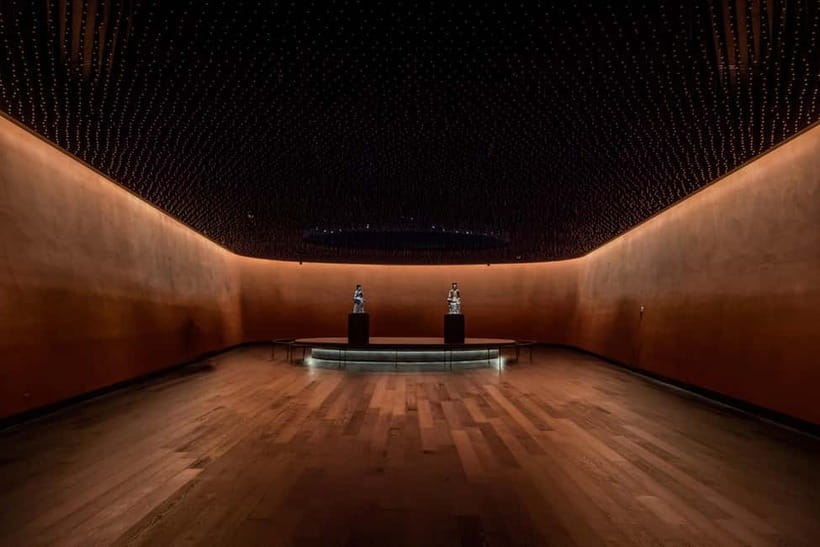
- Highlights go beyond the entrance hall, using standout early objects to set the stage.
- Buddhism and ceramics are treated as everyday cultural forces, not just “topics.”
- Admission is included, so the $38 covers the essentials without extra tickets to hunt down.
Why the National Museum of Korea feels different when a guide tells the story
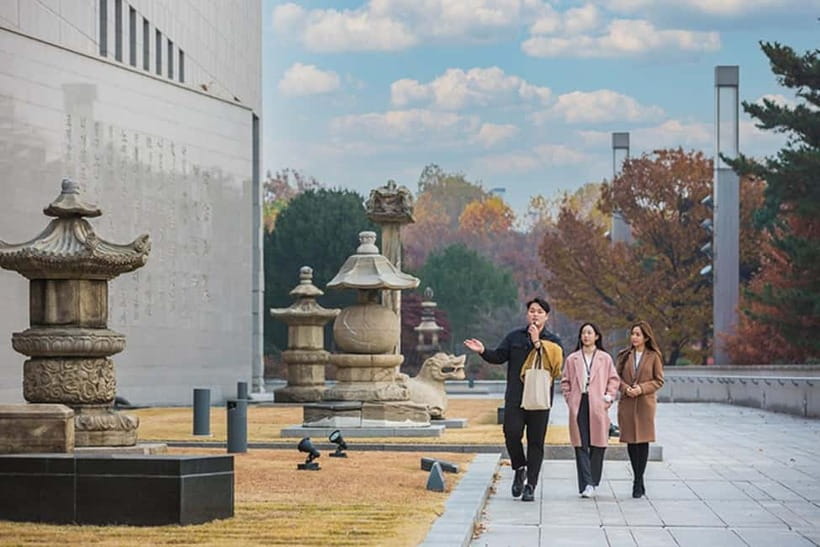
Korea’s National Museum of Korea can be overwhelming in a good way. The good news is that this tour doesn’t try to make you see everything. It aims to make you understand more of what you’re looking at.
A big clue is that a 2017 museum survey found 70% of respondents said the most memorable exhibits were a hand axe and comb-pattern pottery. That tells you something important: people remember the objects that are easy to picture and easy to connect to daily life. The tour uses that kind of anchor to move you from “I saw it” to “I get why it mattered.”
Then it builds outward. The tour’s focus on Buddhism and ceramics isn’t random. Buddhism shaped how people thought about life, ethics, and the afterlife, and it left visible marks in art and material culture. Ceramics, meanwhile, show up as technology, design, and taste—what a society values enough to shape into everyday beauty.
You can also read our reviews of more guided tours in Seoul



Meeting at the Great Hall Lobby: how to start without getting lost
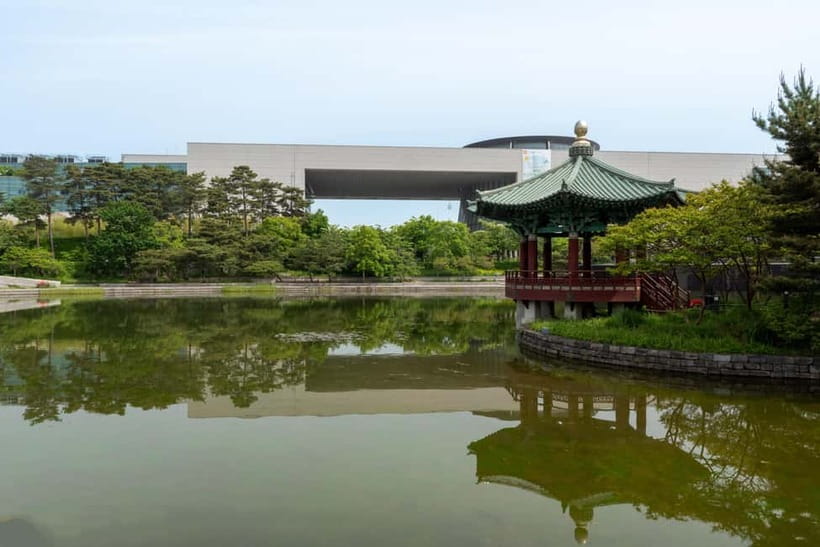
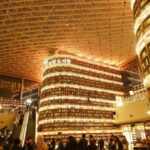
You meet at The Great Hall, 1st Floor Lobby of the Exhibition Hall. That’s a practical choice. It’s central enough that you can orient yourself quickly, and it helps you avoid the classic museum problem: arriving excited but spending the first 20 minutes figuring out where to begin.
Because the tour is only 2 hours, your best move is to show up a few minutes early, get your bearings fast, and be ready to follow the guide’s pacing. If you’re the type who likes to photograph everything and read every label, use this tour to get the “map in your head,” then return later on your own for the rabbit holes.
Early Korea artifacts: the hand axe and comb-pattern pottery connection
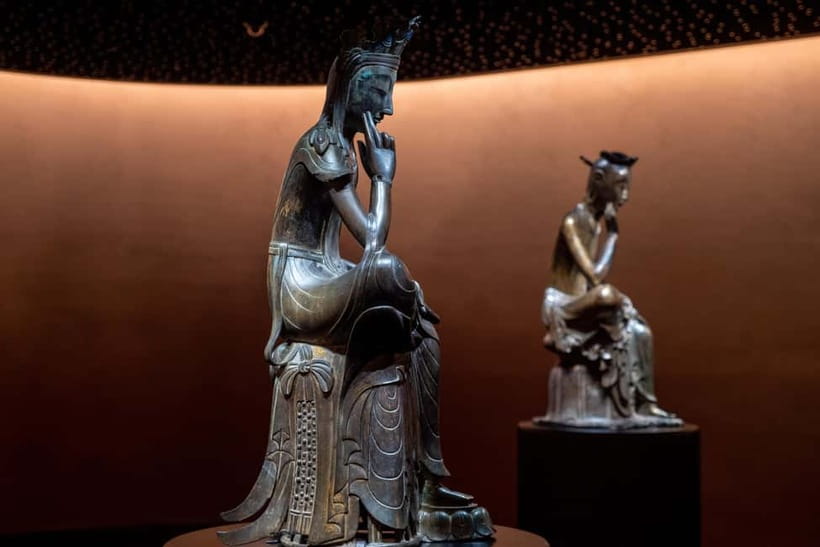
The tour’s story often starts with standout early pieces—specifically the hand axe and comb-pattern pottery that many visitors remember. Even if you’re not a “prehistory person,” these objects are powerful because they’re so concrete.
A hand axe isn’t just a tool. With a guide, you can understand it as evidence of problem-solving: how people handled survival needs with skill and judgment. It also helps you frame later history. Korea didn’t spring fully formed from dynasties and temples—it grew through generations of practical craft and adaptation.
Comb-pattern pottery is the other anchor. “Comb-pattern” sounds like a decorative detail, but it’s also a clue to technique and daily use. Patterns in early ceramics point to methods of shaping and firing, and they hint at what mattered enough to put time into making. In other words, even before you reach the more famous religious art, the museum’s material culture is already telling you about aesthetics and community life.
This is one place where the guide matters. A good guide doesn’t treat early objects as background. They turn them into a starting point for why later Korean art and design make sense.
Buddhism in the museum: what to look for beyond the label
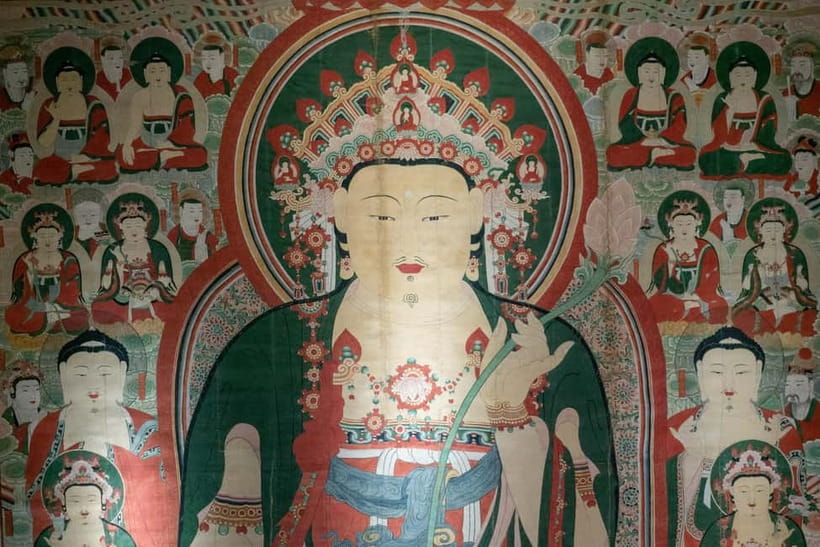
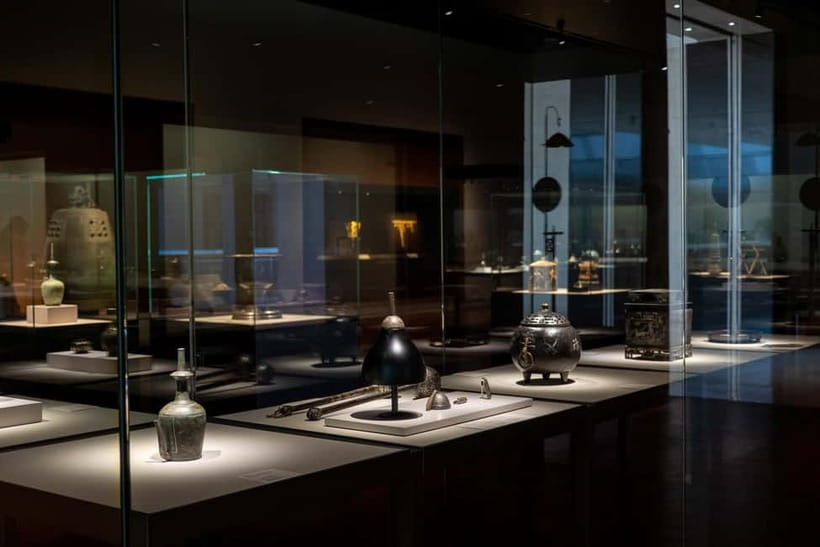
The tour’s Buddhism angle is the part that often surprises people. It’s easy to think of Buddhism as something you mostly see in temples and ceremonies. In the museum, you see how it becomes art, symbolism, and objects people lived with.
Expect your guide to connect Buddhist ideas to visual forms and cultural practices. The emphasis isn’t only on religious history as dates and dynasties. It’s on how Buddhism influenced Korean life and how those beliefs shaped what artists and craftspeople made.
Practically, when you’re walking through Buddhist-related displays, focus on how objects communicate meaning. Instead of only asking what the item is called, ask what it’s trying to express: protection, learning, devotion, or the idea of spiritual transformation. A guide can help you translate symbols quickly, so you don’t have to guess while your 2-hour clock keeps ticking.
Ceramics as Korean culture: why this tour treats clay like a story
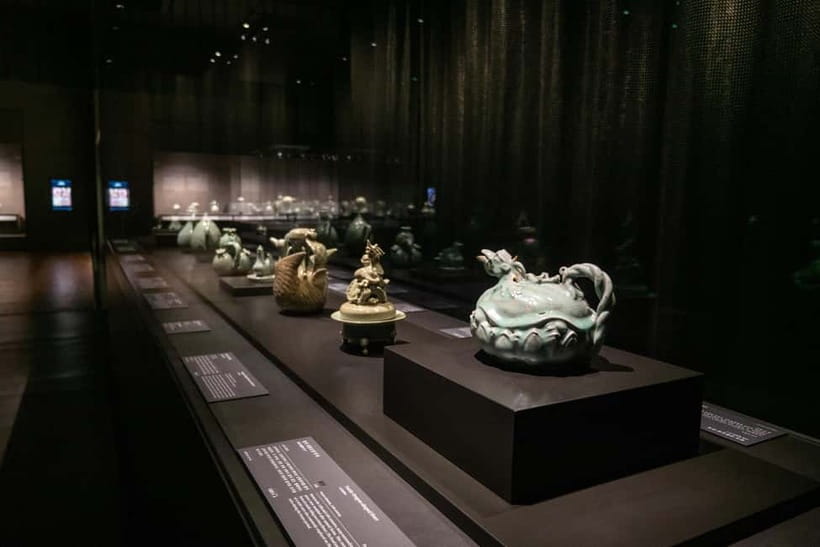
Ceramics show up everywhere in Korean history, and this tour doesn’t treat them like background décor. It treats ceramics as a window into taste, technique, and identity.
Your guide will help you see ceramics as both functional and expressive. They’re made for use, but the way they’re shaped and decorated shows the human side of a culture: what looks pleasing, what patterns catch attention, and what forms people want to hold onto. The tour also highlights the idea of timeless beauty and how Korean refinement appears in crafted objects.
If you’re wondering what’s special about Korean ceramics compared to what you’ve seen elsewhere, the guide’s job is to make those differences legible. You’ll walk out with a better sense of how tradition evolves without disappearing, and how materials and methods connect generations.
This section is also where the tour tends to feel most “lived-in.” It’s not only about sacred objects. It’s about the everyday side of history—how ordinary people experienced beauty through what they used.
You can also read our reviews of more museum experiences in Seoul


The guide experience in real life: small group, English, and question time
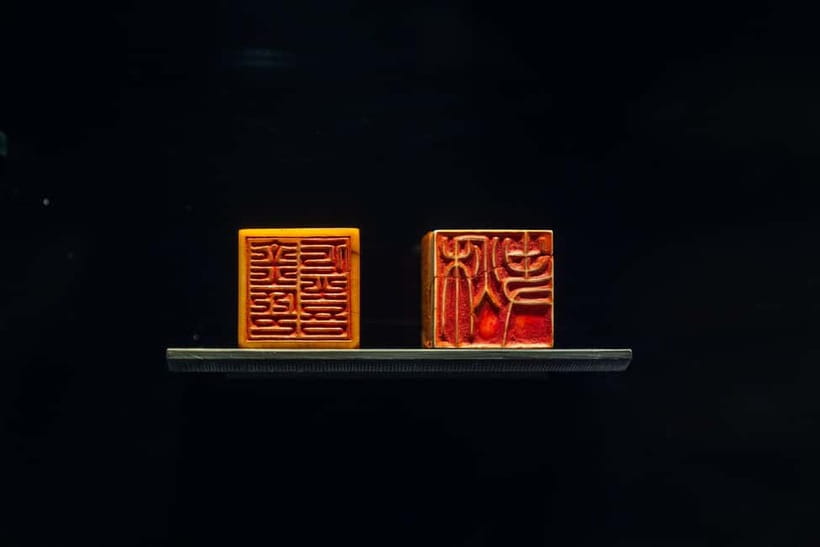
This tour is English, led by a local guide, and capped at 10 participants. That matters more than it sounds. In a museum setting, small groups are what make conversations possible. You can ask a question without feeling like you’re pulling focus, and you don’t spend your time playing catch-up with a guide who’s constantly moving.
Feedback on the guides points to a consistent strength: clear explanations and room for questions. Guides like Minju, MJ, and others are noted for answering with patience and staying engaging rather than turning the tour into a lecture.
Also, because the tour is only 2 hours, the pacing is usually tighter. You’ll cover key themes, but you won’t get slowed down by every single gallery. Think of it as a high-quality orientation plus story-building, not a full museum marathon.
Price and value: what $38 buys you (and what it doesn’t)
At $38 per person for a 2-hour guided tour with admission included, this is the kind of price that tends to make sense for most visitors who want clarity fast.
Here’s the value logic:
- Admission is included, so you’re paying for both the ticket and the guide guidance.
- A guide helps you spend your limited time on the right themes instead of wandering aimlessly.
- The group size keeps the experience interactive, which usually boosts the “learning per minute” factor in a museum.
What’s not included is travel insurance, which is standard. You’ll also want to keep your own expectations realistic: the tour is focused on major themes tied to Buddhism and ceramics, not on exhaustive coverage of every wing.
If your plan is to see the museum anyway, this guide format often turns that visit from confusing into coherent. If you were already planning multiple museum passes, the tour can act like a primer before you go back on your own.
Who should book this tour, and who might want a different style
This tour is a good fit if you:
- like museum experiences that explain meaning, not just names and dates
- want a fast way to understand Korea’s Buddhist influence and ceramic tradition
- enjoy asking questions and getting clear answers while you walk
It might be less ideal if you:
- want to spend hours reading every label at a slow pace
- prefer fully self-guided museum exploration without structured themes
One more note for comfort: you should tell the operator in advance if you have allergies. It’s not the kind of detail that affects the art, but it affects how smoothly the day goes for you.
Should you book the Seoul: National Museum of Korea Guided Tour?
If you want a Seoul museum visit that makes Korea feel understandable, this is a strong choice. The themes are well chosen—early objects like the hand axe and comb-pattern pottery help you ground the story, while Buddhism and ceramics connect cultural ideas to real material objects.
I’d book it if you’re short on time, want context in English, and like the idea of a small group (up to 10) where questions don’t get swallowed by a crowd. You’ll likely come away with clearer themes you can follow as you explore the museum beyond the tour.
FAQ
Where is the meeting point for the tour?
You meet at The Great Hall, 1st Floor Lobby of the Exhibition Hall, National Museum of Korea.
How long is the guided tour?
The tour duration is 2 hours.
What language is the live guide?
The live guide provides the tour in English.
How many people are in the group?
The group is a small group limited to 10 participants.
Is museum admission included in the price?
Yes. Admission to the National Museum of Korea is included.
What is the price per person?
The price is $38 per person.
What is the cancellation policy?
You can cancel up to 24 hours in advance for a full refund.
What happens if the tour is canceled due to low participant numbers?
If the number of participants is under 4, the tour will be canceled, and you will be informed by WhatsApp.