REVIEW · SEOUL
Blood & Tears: Korea Dark History Guided Walking Tour
Book on GetYourGuide →Operated by KTOURSTORY · Bookable on GetYourGuide
Warning: Seoul has a hard past. This guided walk takes you from prison cells to democracy-era landmarks, with stories that feel personal, not textbook-shaped. I like how the tour focuses on Korea’s independence and democracy struggle, and I also like that it runs in small groups of up to 10 so questions don’t get lost.
Two things I’m especially drawn to are the site choices and the way the guiding turns places into people. You’re not just looking at plaques; you’re seeing how locations like Seodaemun Prison History Hall and KCIA headquarters connect to the wider fight for freedom. I also appreciate how guides have been praised for clear, human storytelling, with named guides such as Joseph, Laura, Chuck, Gina, and Paul showing up as particularly engaging.
One consideration: this is not a light sightseeing day. Plan for a long block of walking (210 to 330 minutes), dim, emotional history at sites like Seodaemun, and practical friction like possible shoe removal at Dilkusha and the fact that you’ll be moving by public transit.
In This Review
- Key highlights that make this tour worth your time
- What makes Blood & Tears feel different than a standard Seoul walk
- Package 1 Then: independence fight through Seodaemun, Dilkusha, and Tapgol Park
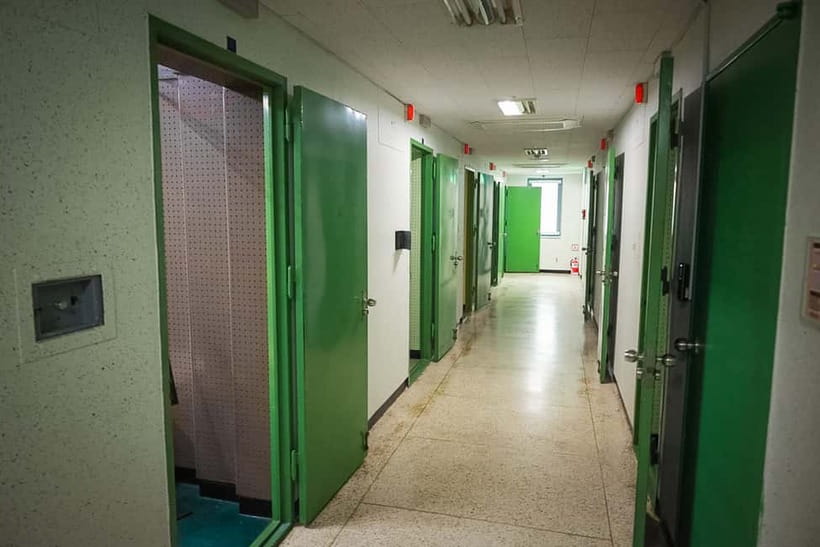
- Seodaemun Prison History Hall: where resistance became punishment
- Dongnimmun Arch: an independence landmark later shaped by colonization
- Dilkusha: Albert W. Taylor’s former residence and the power of exposure
- Tapgol Park around 1:00 PM: 1919 independence cries
- Package 2 Now: democracy’s route from museums to KCIA sites
- National Museum of Korean Contemporary History: setting the context you’ll actually use
- Tongin Market alleys: a traditional lunch break
- Namsan KCIA headquarters: surveillance and control made physical
- Korea Democracy Foundation: former oppression sites turned reminders
- The guides: turning monuments into real names and choices
- Price and value: what $61 buys you in real terms
- Timing, transport, and rules that affect your comfort
- Who this tour suits best (and who should think twice)
- Should you book Blood & Tears: my recommendation
- FAQ
- How long is the Blood & Tears tour?
- Where do I meet for each package?
- What’s included in the $61 price?
- Is lunch included?
- Is the tour wheelchair accessible?
- Can I get a refund if I cancel?
Key highlights that make this tour worth your time
- Two distinct routes: independence-era landmarks or the road to democracy
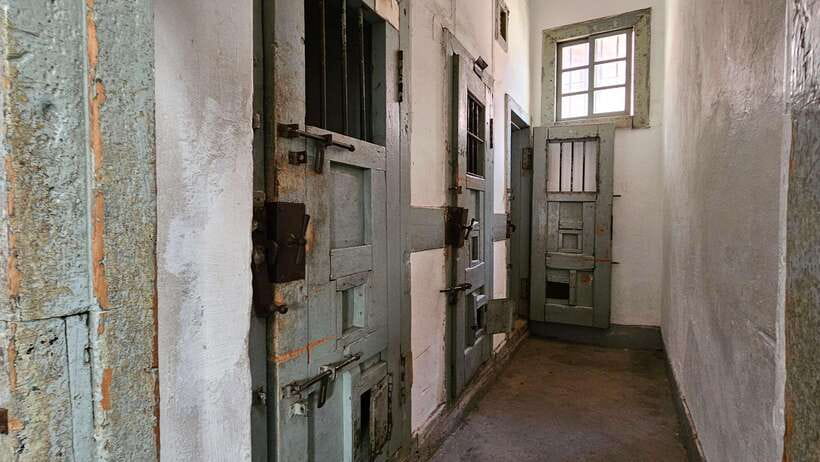
- Seodaemun Prison History Hall and torture-related spaces presented as real historical places
- KCIA headquarters and democracy institutions that explain how power monitored and punished dissent
- English-speaking guides who have a track record of answering questions and pacing well
- Convenient inclusions: English guide, admission fees, and public transport fees are part of the $61 price
- Small group setting (up to 10) that keeps the day more conversational
What makes Blood & Tears feel different than a standard Seoul walk
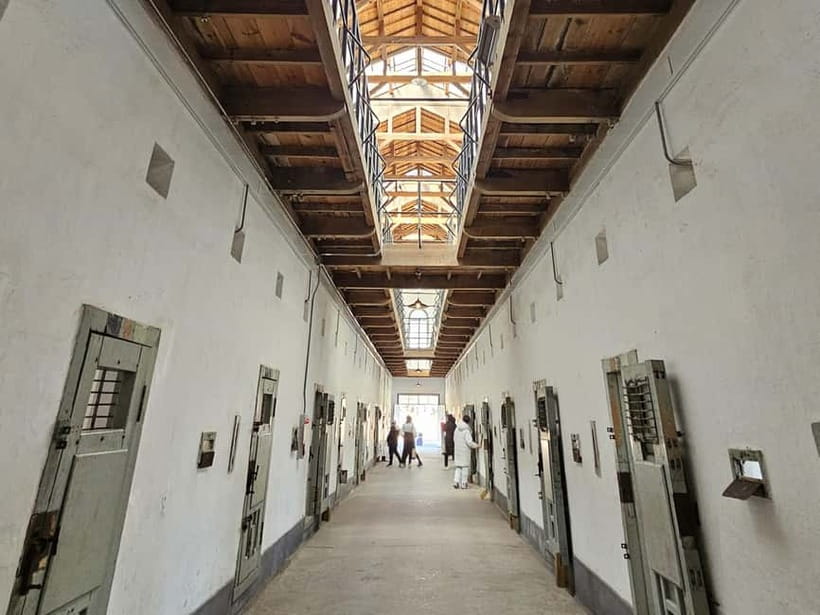
Most Seoul tours move fast: photo stops, quick facts, then off to the next spot. Blood & Tears is built around the idea that history has a weight you need to sit with. The tour promises raw, emotional learning, and the itinerary is packed with locations tied to oppression, resistance, and political change.
The format also matters. You get a live English-speaking guide, and the group stays limited to 10 people. In one reported booking, a couple even had the tour with only two participants, which is the kind of setup that makes it easier to ask follow-ups without feeling rushed.
You can also read our reviews of more walking tours in Seoul
Package 1 Then: independence fight through Seodaemun, Dilkusha, and Tapgol Park
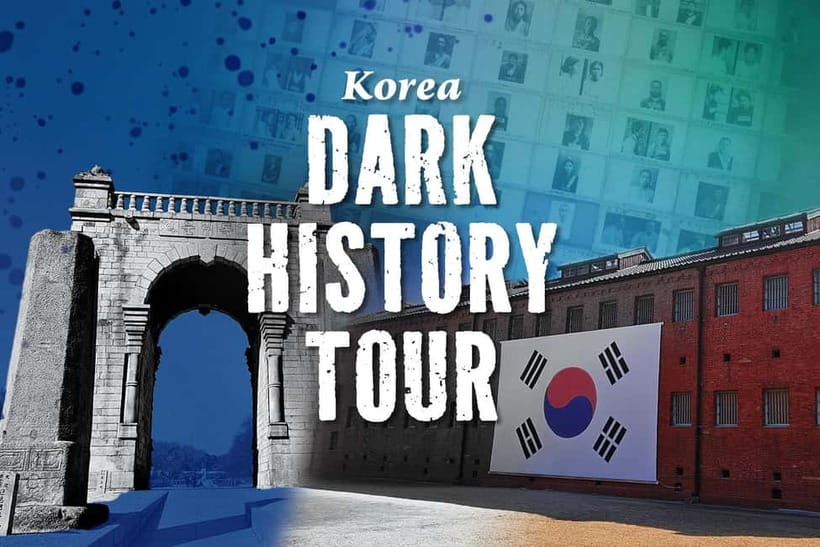
If you want the earlier story—colonial rule, imprisonment, and the sparks that led to independence—Package 1 is the cleaner fit. It starts at 9:30 AM at Dongnimmun Station Exit 5, and it runs until around 1:00 PM with the final stop at Tapgol Park.
Seodaemun Prison History Hall: where resistance became punishment
Your day begins at Seodaemun Prison History Hall, described as a place holding the story of Korean freedom fighters imprisoned, tortured, and executed for defying Japanese rule. The tour doesn’t treat this like a quick stop; it’s presented as the moment where the history becomes bodily real—cold, dim cells and torture chambers are part of what you’ll see.
This is valuable because it gives you more than names and dates. It connects later political developments to what happened when people tried to resist. If you’ve ever wondered why independence movements needed courage that went beyond speeches, this stop does the explaining in the most direct way possible.
Dongnimmun Arch: an independence landmark later shaped by colonization
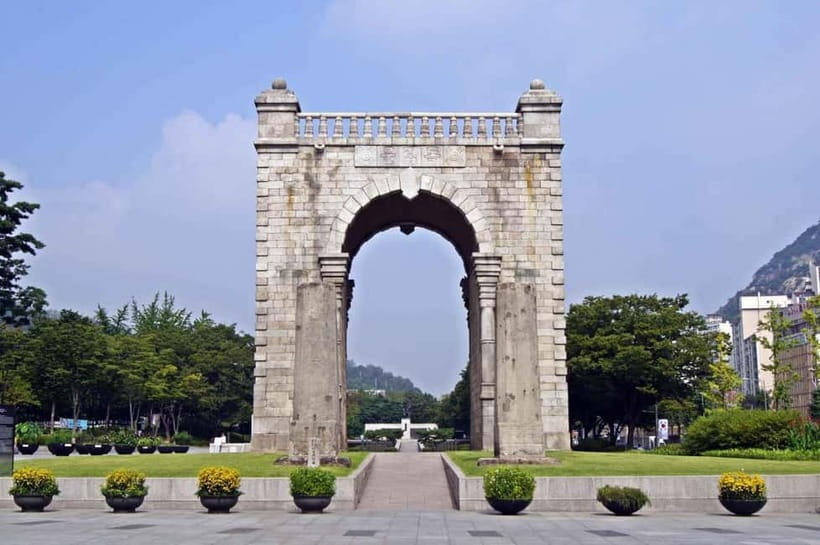
Next you head toward Dongnimmun Arch. The tour frames the arch as a structure built to celebrate national independence, with a later role that turns it into a witness to the reality of Japanese colonization.
That shift is the point. You’ll see how symbols can change meaning depending on who holds power. It’s also a good reset after Seodaemun, because you transition from interior suffering to a public historical marker.
Dilkusha: Albert W. Taylor’s former residence and the power of exposure
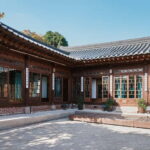
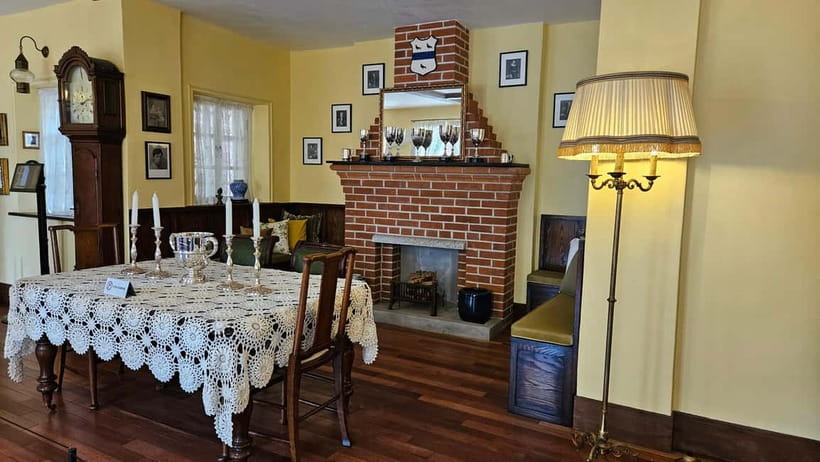
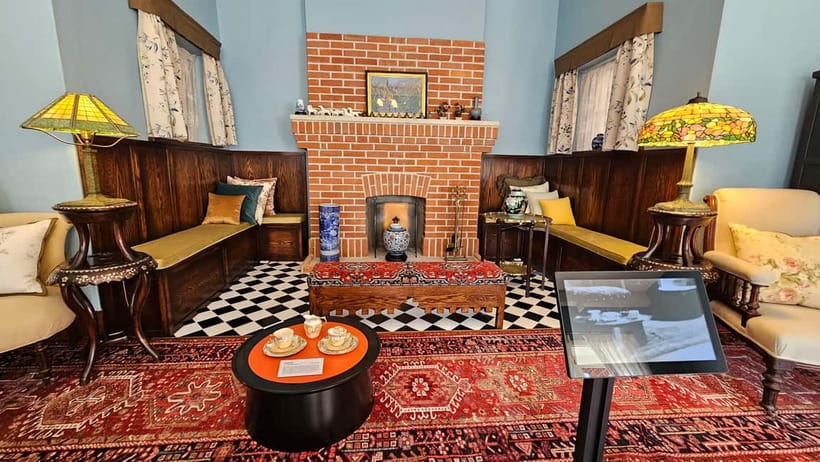
Then comes Dilkusha, the former residence of Albert W. Taylor, an American journalist who exposed Japan’s brutal rule to the world. The tour notes a practical rule here: you may need to remove your shoes, and slippers are provided on-site.
I like including this stop because it widens the story beyond Korea alone. It raises a question you can carry the rest of the day: how does outside attention affect what happens inside a country under colonial pressure? For history-minded travelers, Taylor’s presence adds an international lens without losing the Korean focus.
You can also read our reviews of more guided tours in Seoul

Tapgol Park around 1:00 PM: 1919 independence cries
Your final stop is Tapgol Park, where the tour situates the first cries for independence in 1919 and describes it as the spark for a nationwide uprising. Ending here gives the day a logical arc: imprisonment and oppression earlier, then public resistance that spreads.
It’s also a practical finish. You’re likely done in time to continue exploring Seoul on your own after the tour.
Package 2 Now: democracy’s route from museums to KCIA sites
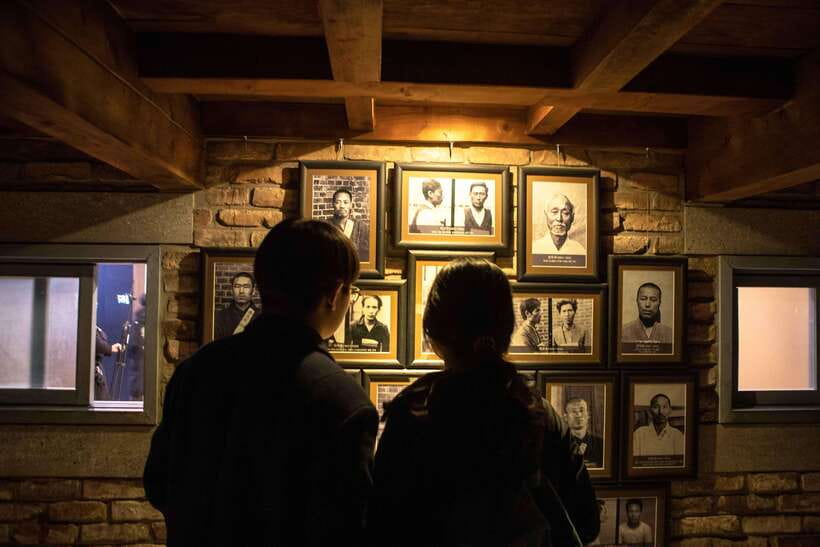
Package 2 fits if you’re most interested in post-war struggle, military regimes, and how citizens fought back until democracy became possible. It starts at 9:50 AM at Gwanghwamun Station Exit 7 and ends at 4:00 PM at the Korea Democracy Foundation (with timing that can shift slightly based on on-site conditions).
National Museum of Korean Contemporary History: setting the context you’ll actually use
You begin at the National Museum of Korean Contemporary History. The tour presents this as essential context for Korea’s post-war reconstruction, military regimes, and citizen resistance.
This matters because many Seoul history sites get confusing without timeline grounding. A museum start helps you connect later sites like surveillance headquarters to the broader system—who was in charge, how power worked, and why resistance took the forms it did.
Tongin Market alleys: a traditional lunch break
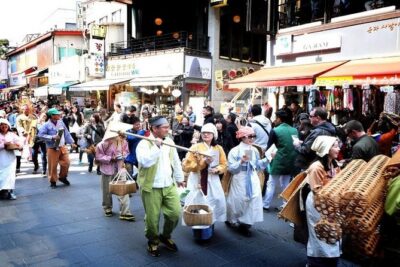
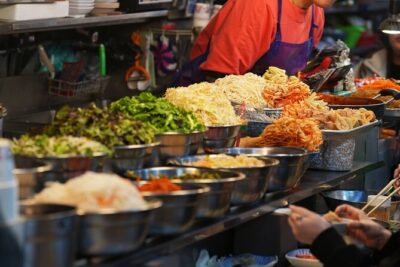
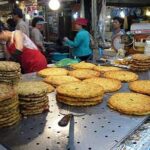
After the museum, you’ll walk through the alleys of Tongin Market and have time for a traditional lunch there. Even though meals are listed as not included, the tour still builds in the lunch opportunity as part of the day.
I like this timing because it gives your brain a break between heavy sites. It also keeps the day from feeling like a straight march of dark rooms; you get a normal-life rhythm in the middle.
Namsan KCIA headquarters: surveillance and control made physical
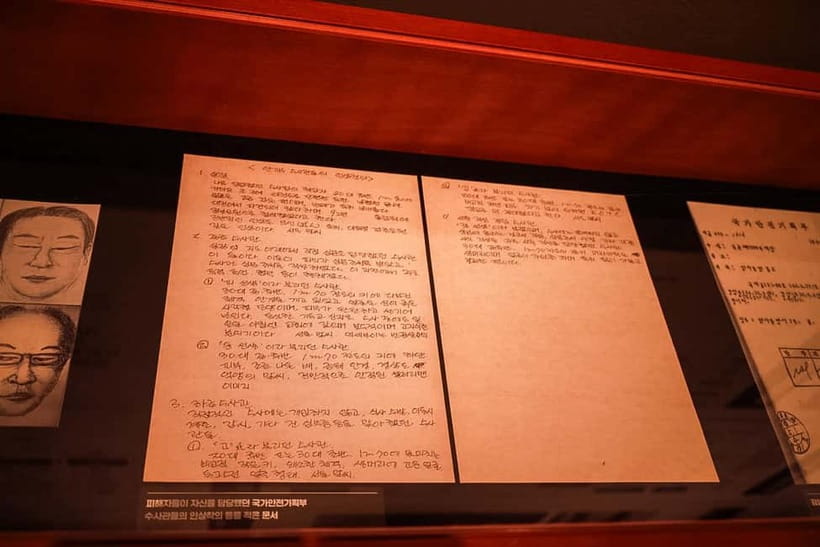
Next, you descend into Korea’s darker corners with visits to Namsan KCIA headquarters. This stop is framed around surveillance, political oppression, and torture, showing how dissent got targeted.
This is one of those stops that benefits from a question-friendly guide. If you’ve ever wondered how regimes justify harsh control, the surrounding explanation is meant to help you connect the methods of surveillance to the political outcomes.
Korea Democracy Foundation: former oppression sites turned reminders
The day ends at the Korea Democracy Foundation, described as a former site associated with monitoring and political repression that now functions as a reminder of how hard democracy was won. The tour also notes that the visit may be adjusted depending on on-site conditions.
Ending here is an emotional pivot. You start with mechanisms of control and finish with a place that frames those experiences as lessons for democratic life.
The guides: turning monuments into real names and choices
This tour lives or dies on the guide, and the best feedback is consistent: guides don’t just explain exhibits—they connect them to people. English-speaking guides such as Joseph and Laura are repeatedly praised for being engaging, patient, and attentive to questions.
There’s also a pattern in how guides handle pacing. One booking described how Joseph tailored the tour and kept the pace comfortable, and another noted Laura’s patience when an unplanned stop had to happen. That kind of flexibility matters on a walking tour with serious content. You don’t want to feel like history is being delivered at full speed.
A helpful detail: several guides are described as using examples from drama or explaining important figures with background and human context. That storytelling style can make politics feel understandable instead of abstract—especially if modern Korean history is new to you.
Price and value: what $61 buys you in real terms
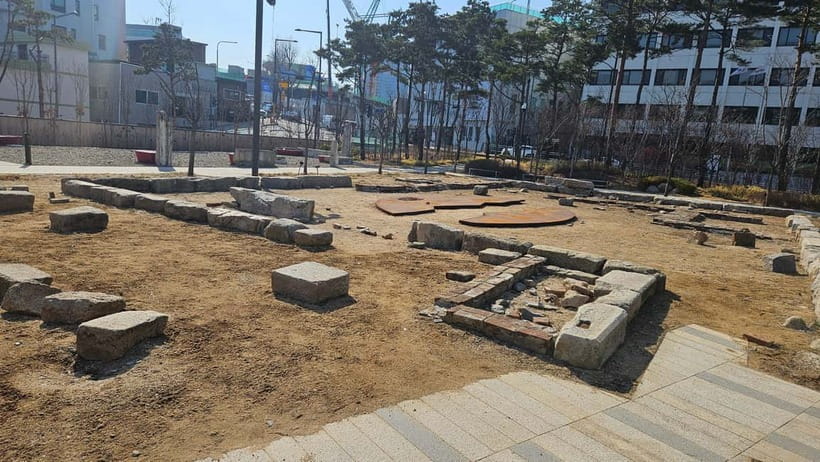
At $61 per person, you’re paying for more than a guide with a few photos. The price includes public transportation fees during the tour, an English-speaking guide, and admission fees. Meals are not included, so plan on handling food separately (even if the tour includes a lunch stop opportunity on Package 2).
For value, the big question is whether you’re getting time at major sites rather than just walking past them. The itinerary includes major, admission-type locations like Seodaemun Prison History Hall and the National Museum of Korean Contemporary History, plus KCIA-related sites and other relevant stops. Add in the transit component the tour includes, and $61 starts to look like a practical way to access multiple places in one shot.
Also, the group size helps your money go further. Limited to 10 people means less crowding and more chance to ask the guide what you’re actually thinking about.
Timing, transport, and rules that affect your comfort
This tour runs 210 to 330 minutes, and your exact pacing can shift due to traffic and weather. Plan to wear clothing and shoes suited to walking, because you’ll be moving between stops and using public transportation.
A few practical notes matter more here than on a typical city walk:
- Public transportation is part of the plan, so bringing strollers or wheelchairs may be inconvenient, even though the tour is listed as wheelchair accessible.
- Itinerary order and timing can adjust because of traffic and weather.
- Dilkusha may require shoe removal for Package 1, with slippers provided on-site.
- Korea Democracy Foundation may change depending on on-site conditions in Package 2.
If you’re the kind of traveler who likes a strictly controlled schedule, this may not feel perfectly rigid. But if you can accept minor changes, it’s part of how Seoul works.
Who this tour suits best (and who should think twice)
This is a strong fit for travelers who want history with emotional honesty. If you’re interested in Korea’s independence struggle, colonial oppression, democracy movements, citizen resistance, or the systems behind surveillance and punishment, you’ll likely appreciate how the sites connect the dots.
It’s also a good choice if you want a guide who explains the why behind the events, not just what happened. The inclusion of context—especially with the museum start in Package 2—helps you understand how people moved from resistance to political change.
On the other hand, if you’re looking for a light, casual day of sightseeing, you might find this heavy. The tour is explicitly framed as a reflection and honoring experience tied to suffering and execution sites and torture-related spaces.
Should you book Blood & Tears: my recommendation
Book it if you want one organized day that connects multiple Seoul landmarks to Korea’s fight for freedom. The value is strongest when you want access plus context: admission stops plus English guiding, handled with a small group format.
Choose between the two routes based on what you care about most. If you’re drawn to the independence-era story, pick Package 1 with Seodaemun Prison, Dilkusha, and Tapgol Park. If you’re more focused on post-war power, resistance, and democracy, Package 2 with the contemporary history museum, Tongin Market lunch break, Namsan KCIA headquarters, and the democracy foundation ending is likely the better match.
If you’re sensitive to intense topics and long walking, go in with eyes open and plan your other day activities to be calmer. But if you can handle serious history, this is the kind of tour that can leave you thinking about Korea’s modern identity long after you’ve gone.
FAQ
How long is the Blood & Tears tour?
The duration is listed as 210 to 330 minutes, depending on starting times and conditions on the day.
Where do I meet for each package?
For Package 1, meet at Dongnimmun Station Exit 5. For Package 2, meet at Gwanghwamun Station Exit 7.
What’s included in the $61 price?
The price includes an English-speaking guide, admission fees, and public transportation fees during the tour.
Is lunch included?
Meals are listed as not included. For Package 2, the itinerary includes time at Tongin Market for a traditional lunch, but you should expect to pay for your own meal.
Is the tour wheelchair accessible?
Yes, the tour is listed as wheelchair accessible, though it also notes that public transportation can make it inconvenient.
Can I get a refund if I cancel?
You can cancel up to 24 hours in advance for a full refund. The tour also offers reserve now & pay later, meaning you can book your spot and pay nothing today.