REVIEW · SEOUL
Ganghwa Island – Full day private tour
Book on Viator →Operated by Top Korea Tour · Bookable on Viator
Ganghwa Island is a fast escape from Seoul’s city pulse. What makes this day trip stand out is the way it strings together war-scarred history, rural island life, and then ends with the surreal calm of looking toward North Korea from the Peace Observatory. I love that you get your own driver-guide and vehicle, so the day feels paced for your group instead of a cattle-call schedule. I also like the practical mix: fortress and temple viewpoints in the morning, then a market and optional seaside fun.
One thing to think about: the island day runs about 8 hours, and while it is not described as intense, it does involve walking around historic sites. If you want minimal steps and zero hills, you’ll want to plan accordingly and mention your comfort level early.
In This Review
- Key moments that make this tour worth your time
- Getting Out of Seoul: Pickup, the Private Vehicle, and Real Time on the Island
- Gwangseongbo Fortress: Where Joseon’s Strategic Mindset Shows Up
- Jeondeungsa Temple in the Samrangseong Fortress Area
- Optional Ganghwa Seaside Resort: Luge Time If You Want It
- Pungmul Sijang Market: A Taste of Daily Island Life
- Peace Observatory and Yeonmijeong Pavilion: The North Korea View That Feels Close
- Ganghwa Anglican Cathedral: When Western Footprints Enter the Island Story
- Price and Value: What You’re Paying For at $220 Per Person
- Who Should Book This Private Ganghwa Island Tour?
- Should You Book This Private Ganghwa Island Tour?
- FAQ
- What time does the Ganghwa Island full-day private tour start?
- How long is the tour?
- Is hotel pickup and drop-off included?
- What kind of transportation do you use?
- Is this tour private?
- Are entrance fees included?
- Is lunch included?
- Can you see North Korea during the tour?
- What is the cancellation policy?
- Is there a minimum number of people required?
Key moments that make this tour worth your time
- Peace Observatory binocular viewing with North Korea about 2 km away from Ganghwa Island
- Gwangseongbo Fortress and the 1871 battle connection that shaped Joseon-era priorities
- Jeondeungsa Temple in a mountain setting tied to a 1866 France-related battle story
- Traditional market stop (Pungmul Sijang) where you can see what Ganghwa is known for
- Yeonmijeong Pavilion for island views plus another easy North Korea glance
- Optional Ganghwa Seaside Resort including a luge ride if you want action
Getting Out of Seoul: Pickup, the Private Vehicle, and Real Time on the Island
This is a straight, full-day outing from Seoul. You start at 8:30 am and you’re back after about 8 hours, with hotel pickup and drop-off included for hotels located in Seoul. The transport is an air-conditioned minivan, and you travel with a driver cum guide, plus bottled water.
For me, the private format is the biggest quality-of-life upgrade. You don’t have to match your pace to other groups, and if your questions lean history-heavy or scenic-heavy, your guide can steer the day without you feeling rushed. It also helps that the entrance fees listed in the itinerary are included, so you’re not juggling extra tickets while you’re trying to enjoy the sites.
The one logistical note: lunch is not included. That’s not a problem, but it does mean you’ll want to decide where you’ll eat once you’re on the island. The guide can be useful here since you’re on a timeline and you’ll likely want something nearby that fits the day.
You can also read our reviews of more private tours in Seoul
Gwangseongbo Fortress: Where Joseon’s Strategic Mindset Shows Up
Your first major stop is Gwangseongbo Fortress, with about 30 minutes on site and the admission ticket included. This is not just a pretty fortress viewpoint. It’s tied to conflict—especially the battles involving the USA in 1871—and that gives the place a sharper edge.
What I like about starting here is how it sets the frame for everything else you’ll see. Ganghwa Island mattered. It wasn’t some remote postcard island; it was strategically important during the Joseon dynasty, and the fortress story helps you understand why.
Practical tip: go in with the mindset that you’re reading the landscape. The fortifications and positions were meant for real threats, so look at the vantage points and imagine how the coastline and lines of sight would have mattered back then. If you’re someone who enjoys context, this is a strong opener.
Jeondeungsa Temple in the Samrangseong Fortress Area
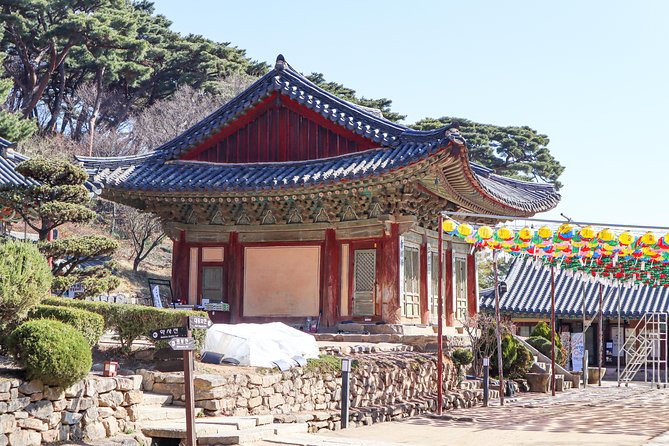
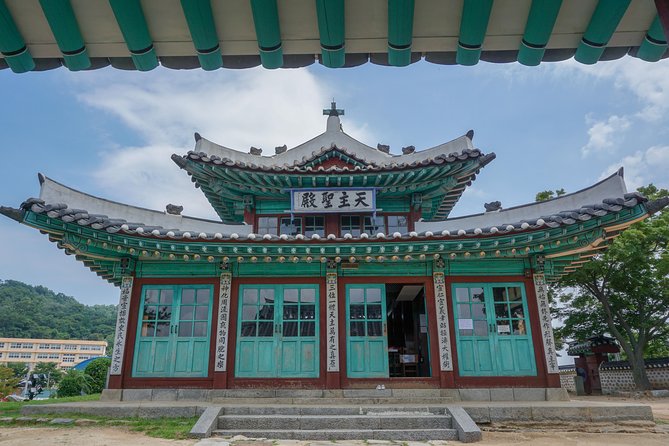
Next up is Jeondeungsa Temple, around 40 minutes with admission included. You’re visiting an old Buddhist temple located within the Samrangseong Fortress area, and it’s also described as a battlefield connected to France in 1866.
This pairing is interesting: temple calm, but historical conflict nearby. You can walk through spaces meant for devotion and reflection, then notice how the area’s history includes military pressure and upheaval. For me, that contrast is what makes the day feel more real than a standard sightseeing list.
One caution: mountain-temple settings often mean uneven footing and some uphill walking. Your moderate physical fitness level requirement makes sense here. If you’re sensitive to steps or steep bits, take it slow, and don’t be shy about stopping for photos when your legs need it.
Optional Ganghwa Seaside Resort: Luge Time If You Want It
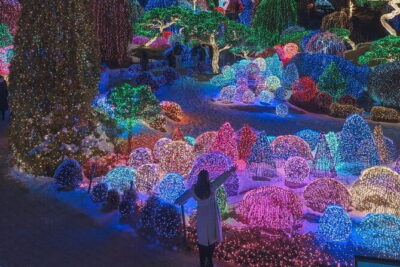
After the fortress and temple stops, you have a more playful break: Ganghwa Seaside Resort. It’s about 50 minutes, and it’s labeled as optional, with the admission ticket not included.
If you’re the type who wants one part of the day to feel like a mini adventure park visit, the luge ride is the headline activity people look for here. If you don’t care about that kind of ride, it’s also okay to treat this as a flexible buffer—time to reset before the day shifts into the North Korea viewing segment.
Because this stop is optional, it’s also the easiest place to adjust based on your group. If you have mixed interests—one person wants history, another wants fun—this kind of choice keeps the day from feeling lopsided.
Pungmul Sijang Market: A Taste of Daily Island Life
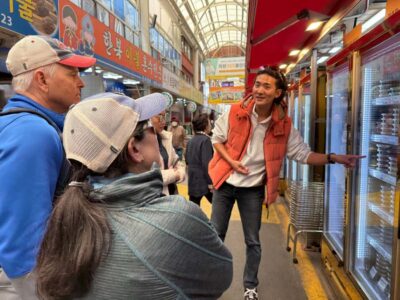
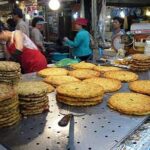
Then comes Ganghwa Pungmul Sijang, a traditional market stop for about 30 minutes. Admission is free here, and the goal is straightforward: see the special products Ganghwa Island offers.
This is where the day shifts from monuments to everyday life. Fortresses and temples tell you what the island meant strategically and spiritually. The market helps you understand what it’s like now—what people sell, what locals focus on, and what a visitor can pick up as a small edible or souvenir memory.
If you’re traveling as a couple or family, this stop is also a good moment to break the schedule tension. Even if you don’t buy much, walking a market gives you texture—colors, smells, and the rhythm of a place that isn’t designed only for sightseeing.
Lunch isn’t included, so your market timing can influence your food plan. I like having a food window after a morning of historical sites, especially on a day trip where you can’t linger for long.
You can also read our reviews of more tours and experiences in Seoul
Peace Observatory and Yeonmijeong Pavilion: The North Korea View That Feels Close
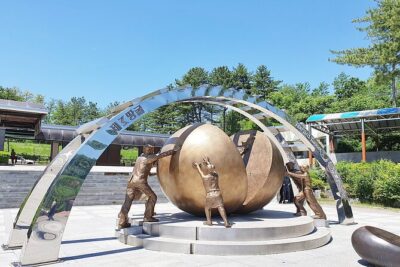
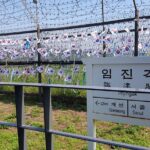
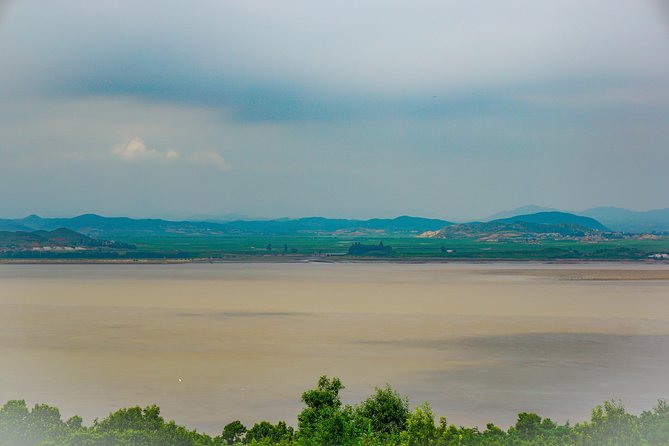
The heart of this tour—emotionally and visually—is Ganghwa Peace Observatory. You get about 40 minutes here, with admission included. The experience is built around using binoculars to peek toward North Korea, which is described as only 2 km away from the island.
Even if you’ve heard about the divide before, having a specific viewing place changes how it lands in your head. You’re not reading about it; you’re standing where you can scan the horizon and grasp how near the reality feels. The day’s story pivots here from the past’s battlefield details to a modern tense geography that you can literally look across.
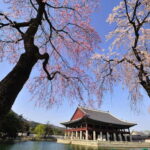
A short add-on right after is Yeonmijeong Pavilion, about 30 minutes, with admission free. It’s another viewpoint for island scenery and another chance for a glimpse toward North Korea.
What to do with this time: slow down. Don’t treat it like a quick photo stop. If you want the binocular viewing to hit, let your guide set the scene with context, then take your time scanning. It’s one of those moments where the place does half the explaining.
Ganghwa Anglican Cathedral: When Western Footprints Enter the Island Story
To close out the itinerary, you visit Ganghwa Anglican Cathedral for about 30 minutes. It’s free entry, and it ties to the island’s role as an entrance to Seoul, which meant Westerners came through Ganghwa—and the cathedral is described as evidence of that.
This stop works because it adds variety to the day. You’ve already had Buddhist and military-history locations; now you see a Western religious architecture marker that connects to migration and contact routes. It helps Ganghwa feel like a crossroads, not only a frontier.
If your group likes architecture, this is a good place to ask your guide for the story behind the building and its timing. If you prefer views over walls, you can still enjoy the pacing here—by the time you reach this cathedral, you’re likely ready for a slower, reflective final stop.
Price and Value: What You’re Paying For at $220 Per Person
At $220 per person for an approximately 8-hour private tour, the value mostly comes down to one thing: you’re paying for time-shaving convenience plus interpretation. Hotel pickup and drop-off in Seoul, air-conditioned minivan transport, and entrance fees for the listed stops are included. That reduces the annoying add-ons that can make a cheaper trip turn expensive fast.
The second value driver is the private driver cum guide. For a day trip that covers several sites with war-related historical context, having someone connect the dots matters. People who enjoy this tour consistently point to how much the guide’s framing improves understanding—especially for visitors who want historical events explained in a way that makes sense in English.
A final value note: because lunch isn’t included, you control your food choice. That’s often a plus in Korea, where local snacks and meal styles vary by neighborhood and timing. You just need to plan that decision so you don’t end up hungry and rushed.
Who Should Book This Private Ganghwa Island Tour?
This is a great fit if you want a day trip with structure but not crowd pressure. If you love history with specific battles tied to place names, the fortress and temple stops will feel purposeful. If you’re curious about the North Korea situation without getting lost in abstract news, the Peace Observatory binocular viewing is the main draw.
It also suits travelers who like a calm rural contrast to city life. Ganghwa is presented as a peaceful retreat, and the itinerary reflects that pacing: morning historic sites, a market look at what the island produces, then that uniquely focused viewing segment.
I’d be a careful match if:
- you dislike walking around historic grounds with uneven surfaces
- you want long time at one site rather than coverage of multiple places
- you’re the type who only wants sightseeing photos and no historical context
Should You Book This Private Ganghwa Island Tour?
If your ideal day trip includes real context (fortress + temple stories), a market taste of island life, and an eye-opening stop at the Peace Observatory, then yes, this is worth booking. The private vehicle and guide make it feel like a thoughtful itinerary rather than a checklist.
I’d book sooner if you’re traveling in peak season. The tour averages about 32 days in advance, and confirmation is subject to availability. And if you’re flexible about lunch, you’ll glide through the day with fewer stress points.
FAQ
What time does the Ganghwa Island full-day private tour start?
The start time is 8:30 am.
How long is the tour?
The duration is about 8 hours.
Is hotel pickup and drop-off included?
Yes. Hotel pickup and drop-off are included for hotels located in Seoul.
What kind of transportation do you use?
You travel by an air-conditioned minivan.
Is this tour private?
Yes. It’s a private tour/activity, and only your group participates.
Are entrance fees included?
Entrance fees listed in the itinerary are included. The market and some viewpoints are free, while ticketed stops include admission.
Is lunch included?
No. Lunch is not included.
Can you see North Korea during the tour?
Yes. At the Ganghwa Peace Observatory, you can use binoculars to view toward North Korea, which is described as about 2 km away.
What is the cancellation policy?
Free cancellation is offered. You can cancel up to 24 hours in advance for a full refund.
Is there a minimum number of people required?
Yes. The booking requires a minimum of 2 people per booking.