REVIEW · SEOUL
Seoul: Ganghwa Island UNESCO World Heritage Private Tour
Book on GetYourGuide →Operated by S.A. Seoul · Bookable on GetYourGuide
Ganghwa Island is a fast escape from Seoul. In about an hour you’re in a different rhythm, trading city noise for stone relics, sea views, and temple footsteps. I like that this is a private setup with an English-speaking guide who can explain what you’re seeing, not just transport you from stop to stop.
Two things I really like: the day is built around major heritage sites like UNESCO-listed dolmens, and you get real choice in the order and pace of what you want to see. One consideration: lunch isn’t included, and on a full day across the island you’ll want to plan for extra cost and limited options if you have dietary needs.
In This Review
- Key takeaways before you go
- Why Ganghwa Island feels like a real day trip
- Private guide time: what it changes on a heritage day
- Ganghwa Peace Observatory: the viewpoint that frames the story
- The UNESCO dolmen stop: what to look for
- Lunch on your schedule: plan for extra cost and picky diets
- Walking the island: fortresses, palace sites, and temple timing
- Gwangseongbo Fortress: coastal power and big-sky photos
- Palace sites (Goryeo-gung and Yongheung-gung)
- Jeondeung-sa Temple: when a ceremony becomes part of the memory
- Joyang Bangjik textile and the Joyang Bangjik Café experience
- Dongmak Beach: the easy win for legs and eyes
- What the day costs and why it can still feel like good value
- Timing, weather, and the small frictions to expect
- Who this tour suits best
- Should you book this Ganghwa Island UNESCO World Heritage private tour?
- FAQ
- Is lunch included in the tour price?
- How long is the tour, and where does it start?
- Does the tour have an English-speaking guide?
- Is this tour wheelchair accessible?
- What happens if the weather is bad?
- Are children allowed, and do they pay?
Key takeaways before you go
- Private, English-led touring: You get a real guide, not a bus-lot script.
- UNESCO dolmens on the route: Expect the Ganghwado dolmen site as a centerpiece stop.
- Choose your own pace: You’ll pick from recommended sites and adjust timing during the day.
- Coastal history: Forts, observatories, and palace ruins are easier to read when you’re actually standing there.
- Textile culture stop: Joyang Bangjik adds a slower, hands-on-feeling break.
- Bring a lunch plan: The tour covers transport, but not meals.
Why Ganghwa Island feels like a real day trip
If your base is Seoul, Ganghwa Island is one of the better “step outside the city” choices. It’s close enough for a full day, but different enough that you feel like you left. You’re dealing with shoreline terrain, old fortifications, and heritage sites that make more sense when you experience the views as you move.
This tour leans into that geography. You start back in Seoul with pickup, then head out to Ganghwado. The biggest win is the variety in one stretch: big prehistoric stone monuments, historical religious sites, coastal viewpoints, and then a beach stop to let your eyes and legs reset.
You can also read our reviews of more private tours in Seoul
Private guide time: what it changes on a heritage day
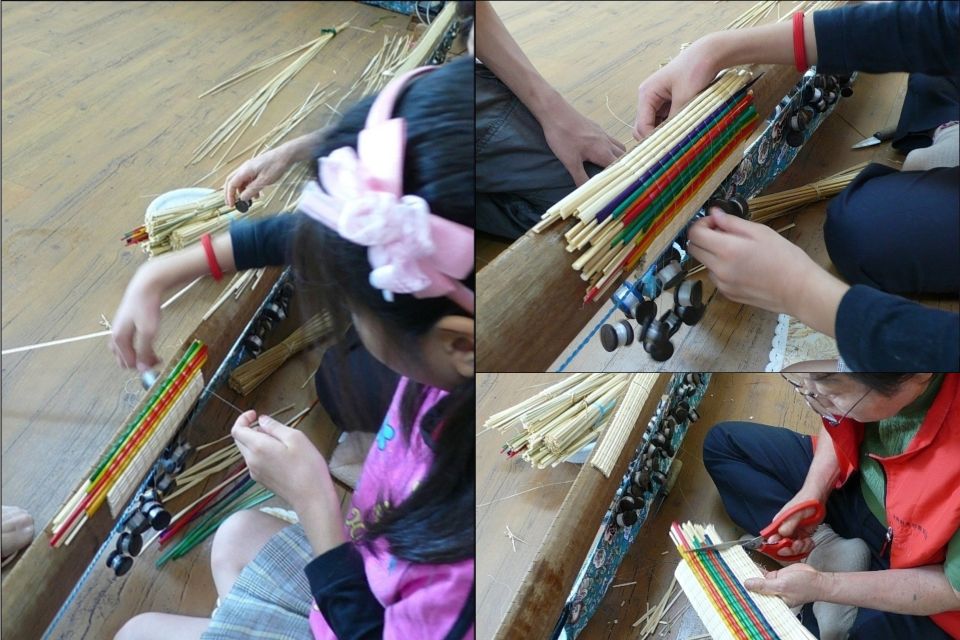
On a big group tour, heritage sites can become a blur of photos. Here, the rhythm feels more human because it’s private. You’re with a professional guide and driver, and you’re not fighting for attention or time.
In the reviews, the guides named Peter and Charlie came up again and again. The practical takeaway for you: if you care about understanding what you’re looking at, a guide like that is the difference between seeing objects and understanding why Koreans connect these places to memory, ancestors, and national history. You’ll also get help with logistics on site—where to stand for photos and which stops make the most sense together on that day.
Ganghwa Peace Observatory: the viewpoint that frames the story
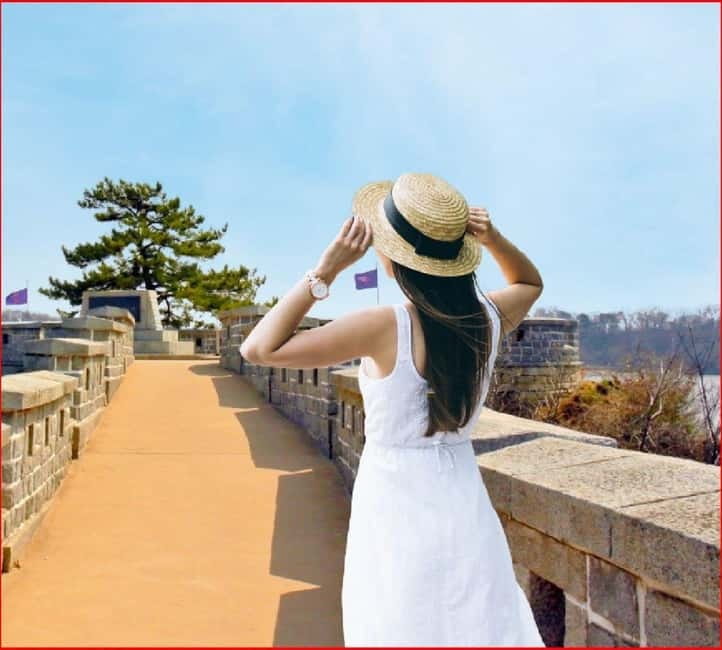
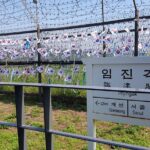
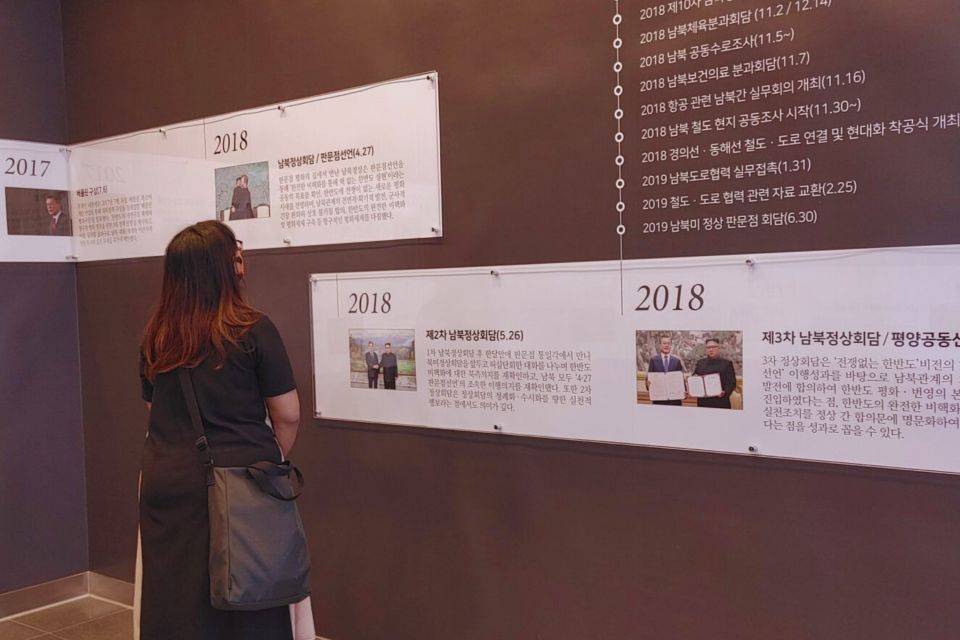
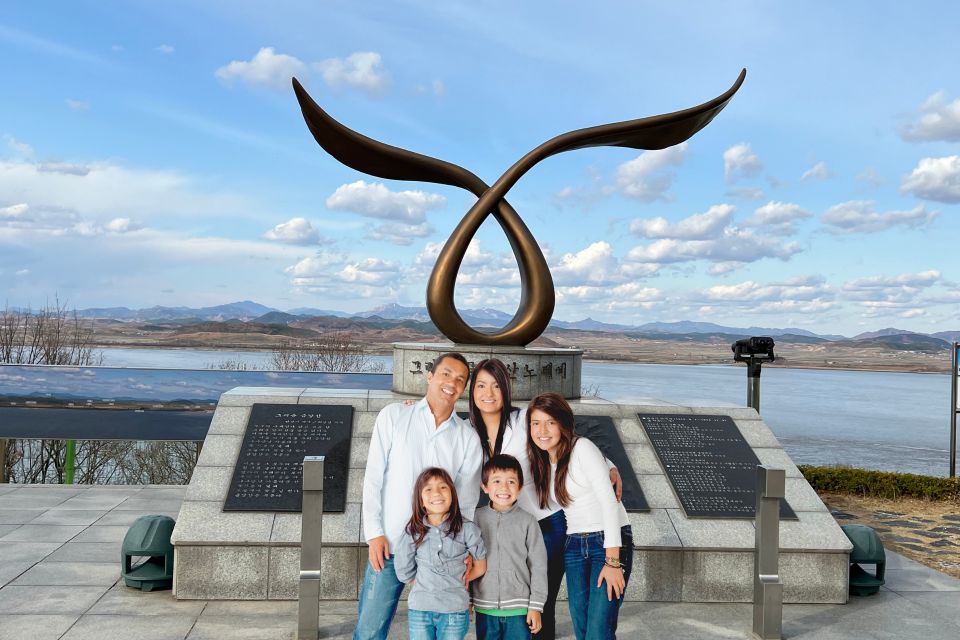
Your morning begins with a guided visit at Ganghwa Peace Observatory. You’ll spend about 45 minutes here. The value isn’t just the view. It’s the mental framing: Ganghwa’s location and role become easier to grasp when you can look out across the water from a dedicated observation point.
I like that this stop comes early. It sets context before you hit the older stone sites and the religious/historic areas. It also helps you move through the rest of the day with fewer “wait, why is this here?” moments.
The UNESCO dolmen stop: what to look for
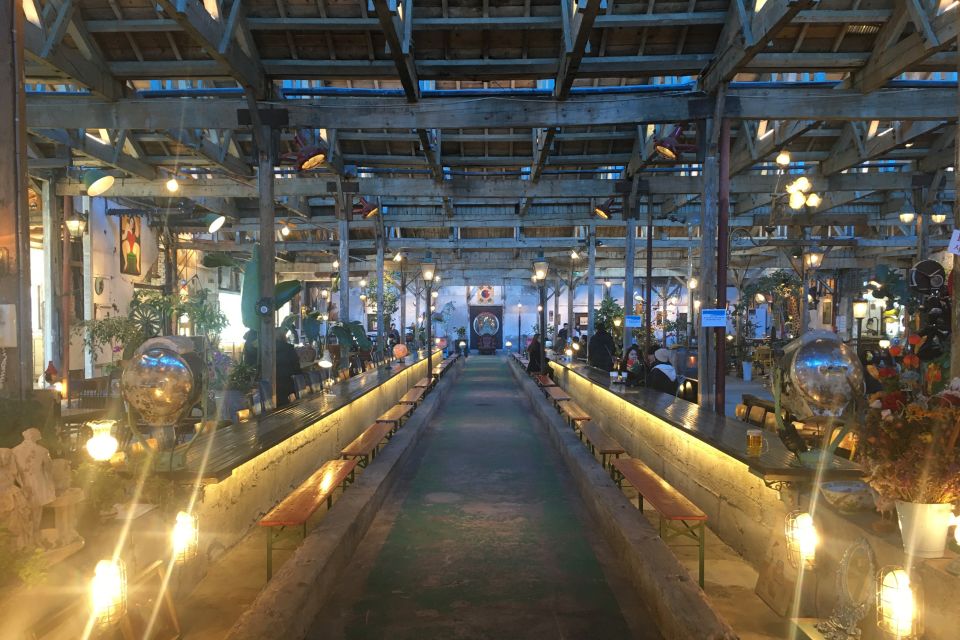
Next comes the Ganghwado Dolmen Site, part of the UNESCO World Heritage listing. Plan on about 30 minutes for this stop. Even if you’re not a “stone history” person, dolmens hit a universal chord: large stones moved and arranged long before modern construction made sense.
Here’s how to get more out of the visit:
- Watch the arrangement and scale first, before reading anything.
- Ask your guide to connect the site to the island’s wider historical role.
- Keep your camera ready, but don’t only shoot wide angles—get a few shots that show stone texture and spacing.
A short caution: 30 minutes goes quickly if you read everything slowly. If you want deep reading time, use your private tour advantage—ask your guide for the key highlights and then do a second slow pass if time allows.
Lunch on your schedule: plan for extra cost and picky diets
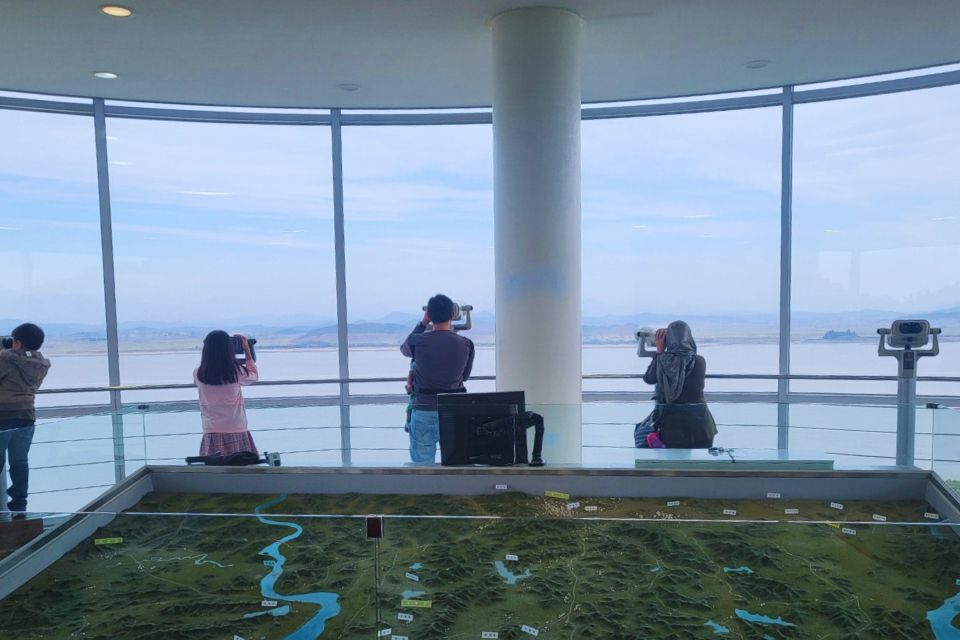
Lunch is about an hour, but here’s the catch: meals and drinks aren’t included. The guide recommends a local restaurant, but you’re paying separately. The tour note also flags that options may be limited, and if you have dietary restrictions, you’ll want to bring your own lunch.
My practical advice: if you’re traveling with allergies or a strict diet, don’t rely on last-minute restaurant fixes. Bring something you can eat comfortably, then use the restaurant option only if it sounds safe.
You can also read our reviews of more historical tours in Seoul

Walking the island: fortresses, palace sites, and temple timing
The heart of the day is your Ganghwa Island segment, with about 4.5 hours for visits, guidance, and walking. This is where the island’s heritage comes alive—especially because it’s not all “one type” of site. You can expect a mix such as fortresses, palace ruins, churches, and temples depending on your selected stops.
Gwangseongbo Fortress: coastal power and big-sky photos
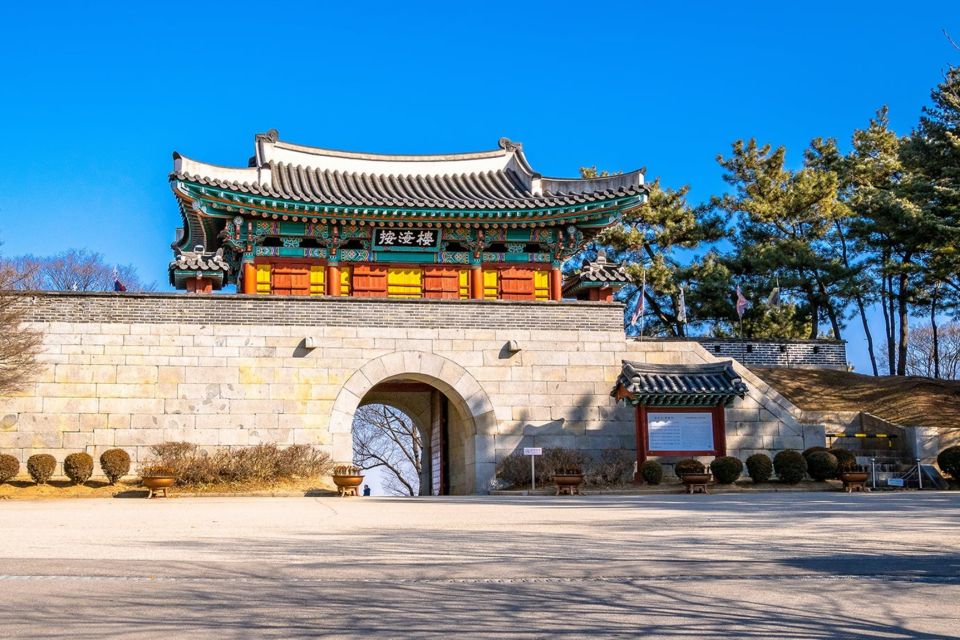
Gwangseongbo Fortress is a highlight option. You’ll visit, do sightseeing, and walk around. The reason this works on a private day is simple: you can pause at view points without worrying about keeping the whole group moving.
Bring light layers. Coastal areas can feel cooler and breezier than central Seoul. Your guide can also tell you when to shoot for the best light from the water side, which makes the fortress more than a quick stop.
Palace sites (Goryeo-gung and Yongheung-gung)
You may also visit Goryeo-gung Palace Site and/or Yongheung-gung Palace. These stops matter because they show how Ganghwa wasn’t just a backwater island. It was tied to royal planning and political life.
The ruins are often easier to read with explanation. Ask your guide how these palaces fit into the island’s broader historical story—then you’ll start noticing layout hints even if you’re not trained in old architecture.
Jeondeung-sa Temple: when a ceremony becomes part of the memory
Another possible stop is Jeondeung-sa Temple. You’ll spend time there, and one of the standout details from the reviews is that the guide helped time the visit so you could catch a ceremony. Even if you don’t see a specific event every day, this stop is valuable because it shifts the tone of the day from military/political to spiritual.
If you’re the kind of traveler who likes quiet moments, use this time to slow down. Walk the paths at a steady pace, and let your guide explain the significance of the temple setting rather than just listing facts.
Joyang Bangjik textile and the Joyang Bangjik Café experience
The island adds culture beyond stone. One stop that’s worth planning for is Joyang Bangjik, tied to textile traditions. In the format of this tour, it’s described as Joyang Bangjik (textile), often associated with a café setting.
I like textile stops because they break up the day’s “big monument” energy. Stones and forts can feel heavy. A textile-related visit gives you something hands-on in spirit—texture, craft, and design—plus it’s a natural moment to sit, reset, and enjoy the island pace.
If you want this to be more than a quick photo stop, ask your guide what to pay attention to in the textile/craft details. That’s where a good guide earns their fee.
Dongmak Beach: the easy win for legs and eyes

End your day with Dongmak Beach. It’s a straightforward, low-pressure finish: a chance to stretch out, enjoy shoreline air, and look back at the day’s contrast—prehistoric stones earlier, then fortifications, then temples and craft culture, and finally the beach.
This is also where you’ll feel how close Ganghwa is to Seoul. The island still has escape energy, but you’re not stuck in remote travel. It’s a controlled break, not a logistical nightmare.
What the day costs and why it can still feel like good value
The price is $180 per person for a 10-hour private tour with round-trip air-conditioned transportation and a professional driver/tour guide. Lunch isn’t included, so your true total depends on where you eat.
Is it expensive? It can be, yes—especially if you’re comparing to cheap group bus tours. But private touring changes the math:
- You’re paying for time efficiency and a guide who can shape the day to your interests.
- You’re covering multiple sites across the island with pickup and drop-off in Seoul.
- You’re getting English interpretation throughout, not just at a couple of stops.
For couples or small groups who hate waiting, this can be strong value. If you’re traveling solo and want a private guide for the day, it’s also a fair trade because you’re buying attention and pacing, not just transportation.
Timing, weather, and the small frictions to expect
Ganghwa is close, but a full-day program still has real-world friction. The tour notes mention weekend traffic can be heavy, so expect longer road time and plan your day accordingly.
Weather matters too. The decision on inclement weather is made the same day, and you’ll receive a full refund for trips canceled due to weather-related issues. That means you should check conditions before you head out, and keep expectations flexible if visibility or outdoor walking is affected.
Who this tour suits best
This is a good fit if you want:
- A private guide for heritage sites and clear explanations
- Choice among recommended stops rather than a rigid script
- A day that balances stone monuments, forts/royal remnants, and a beach
- English guidance with a professional driver handling the routing
It’s especially appealing for first-timers to Korea who are already spending time in Seoul but don’t want to stay locked in city limits all week.
If you’re a very “must-do everything” person, you’ll need to make some choices. The tour gives recommended options, so you won’t cover every possible place at once. Your guide helps you pick what fits best.
Should you book this Ganghwa Island UNESCO World Heritage private tour?
I’d book it if you want a structured but flexible heritage day that feels personal. The combination of UNESCO dolmens, viewpoint framing at the Peace Observatory, coastal fort atmosphere, and a textile culture stop makes this more than a checklist trip.
Skip it only if you don’t want to pay for extra meals or you prefer unguided time without explanation. And if you have dietary restrictions, plan ahead because lunch costs extra and options may be limited.
If you’re on a short Korea trip and you want one day that actually changes your perspective, this is one of the better ways to do it.
FAQ
Is lunch included in the tour price?
Lunch isn’t included. The guide will recommend a restaurant, but you pay separately, and options may be limited. If you have dietary restrictions, it’s a good idea to bring your own lunch.
How long is the tour, and where does it start?
The tour runs for 10 hours and includes pickup from your location in Seoul. You’ll be dropped back in Seoul at the end of the day.
Does the tour have an English-speaking guide?
Yes. There is a live tour guide available in English.
Is this tour wheelchair accessible?
Yes, the tour is listed as wheelchair accessible.
What happens if the weather is bad?
In cases of inclement weather like blizzards, the final decision is made on the same day. If the trip is canceled due to weather-related issues, you receive a full refund.
Are children allowed, and do they pay?
Children under 2 years old (under 24 months) are free without occupying a seat. You should inform the company when making the appointment.
![[ Full Day ] Nami Island & Petit France From Seoul - Pickup at 8:00 AM: Where Your Day Begins in Seoul](https://2.letsgoseoul.com/wp-content/uploads/full-day-nami-island-petit-france-from-seoul-400x267.jpg)