REVIEW · SEOUL
Seoul: Gyeongbok Palace and Bukchon Hanok Walking Tour
Book on GetYourGuide →Operated by Korea Linx · Bookable on GetYourGuide
Seoul’s old core is best with a guide. This 3-hour morning walk links Gyeongbokgung Palace and Bukchon Hanok Village with clear context on Joseon-era life, plus practical help using public transport like a pro. I also like that your visit doesn’t stop at buildings; it pushes into the National Folk Museum of Korea inside the palace, where you get a sense of everyday routines, not just royal pageantry.
One heads-up: it’s a fair amount of walking and standing, and Bukchon’s lanes can include some uphill steps. If you’re traveling in intense cold or heat, dress for the weather and go with comfortable footwear.
In This Review
- Key highlights you’ll feel fast
- Why this palace-to-hanok route makes sense
- Getting started at City Hall Station without wasting time
- Gyeongbokgung Palace: guards, gates, and Joseon-era context
- Where the tour can feel fast
- National Folk Museum of Korea inside the palace: artifacts with context
- Bukchon Hanok Village: Samcheongdong Alley and the old-meets-new feel
- The physical reality of Bukchon
- Insadong at the end: a smart place to reset and shop
- Small group size and English guiding: what you’re paying for
- Is $88 good value?
- Weather and timing: the one variable you should respect
- Who this tour is best for
- Tips to make the most of your 3 hours
- Should you book this Seoul Gyeongbokgung and Bukchon walking tour
- FAQ
- How long is the Seoul Gyeongbok Palace and Bukchon Hanok walking tour?
- How much does the tour cost?
- What is the meeting point for the tour?
- Does the tour include hotel pickup or drop-off?
- What does the tour include?
- What will I see at Gyeongbokgung Palace?
- Is the tour in English?
- What should I bring, and is the route weather-dependent?
Key highlights you’ll feel fast
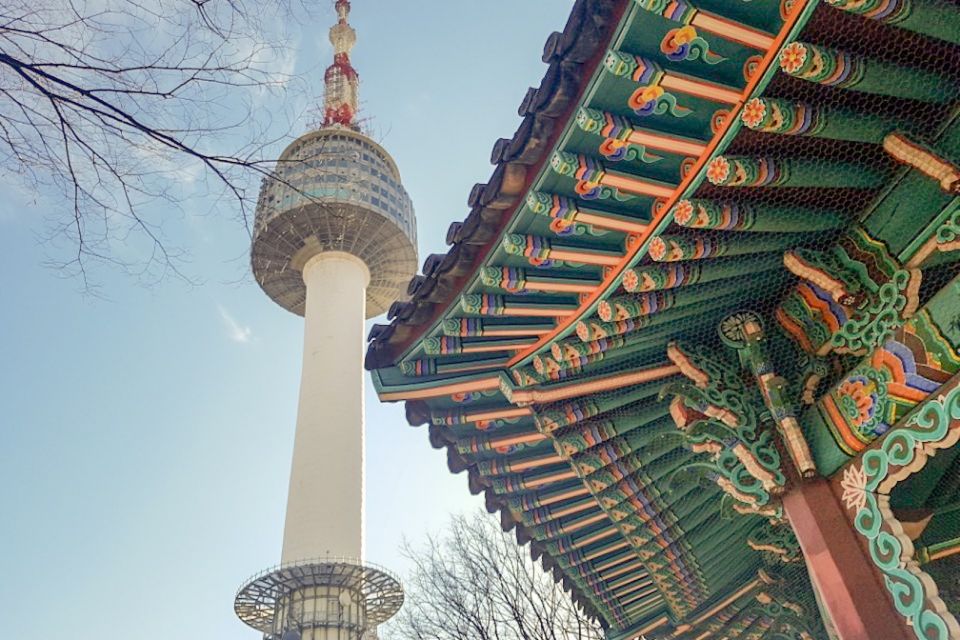
- Royal guard changing ceremony at Gyeongbokgung sets the tone for Joseon-era power
- National Folk Museum inside the palace focuses on daily life, not only artifacts on walls
- Samcheongdong Alley in Bukchon shows how old houses sit beside newer Seoul
- Small group (up to 8) keeps the pace friendly and questions welcome
- Insadong at the end gives you an easy place to shop and ask your guide for ideas
Why this palace-to-hanok route makes sense
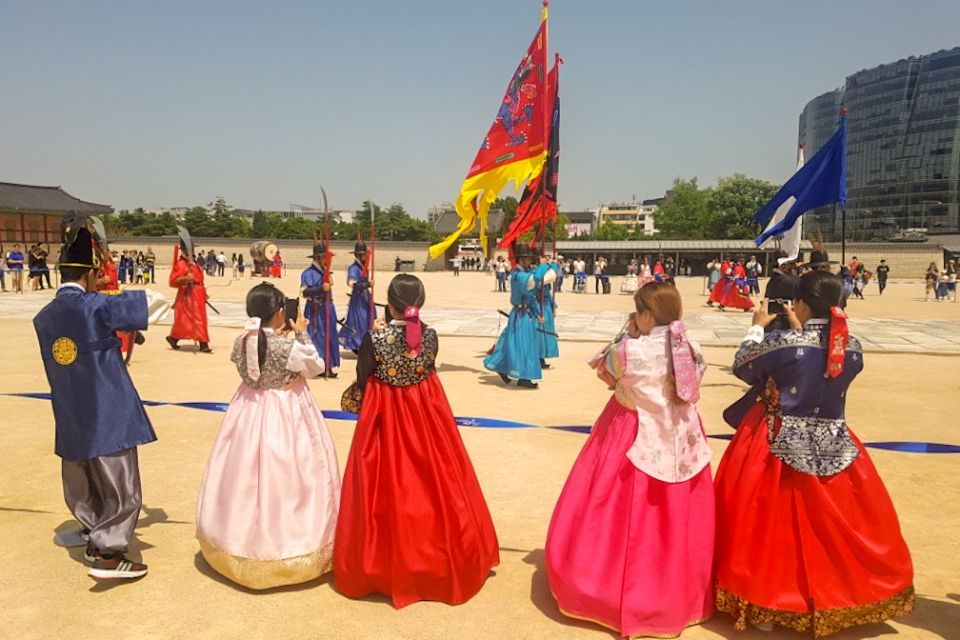
This tour is built like a story with two acts. First you enter the world of Joseon Korea through the palace grounds, then you follow that story into the neighborhood fabric of Bukchon, where traditional houses still shape the street view.
You also get something most solo visitors struggle with: the ability to connect details. The guide helps you read what you’re looking at, so a gate, a courtyard, or a courtyard rhythm stops feeling random and starts feeling meaningful.
And since the morning tour runs about 3 hours, it’s a good fit when you want old Seoul context but you still plan to explore the rest of the city on your own.
You can also read our reviews of more walking tours in Seoul

Getting started at City Hall Station without wasting time
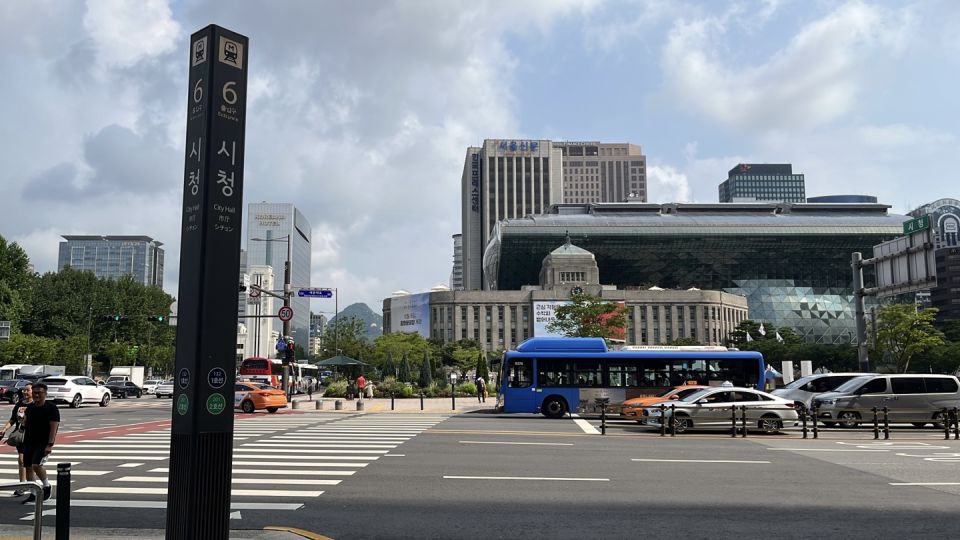
You meet at City Hall Station, Exit 6, outside the exit, right next to The Plaza hotel. That’s a helpful landmark when you’re arriving by subway and trying to avoid the normal maze of station exits.
The tour also gives you tools for moving around Korea. You’ll learn how to use public transport in practice, plus the small interaction habits that make it easier to connect with locals and other riders.
I like this setup because it reduces the most stressful part of first-day Seoul: figuring out transit while also trying to find the right entrance to a major attraction. You can focus on the sights instead of constantly checking your phone.
Gyeongbokgung Palace: guards, gates, and Joseon-era context
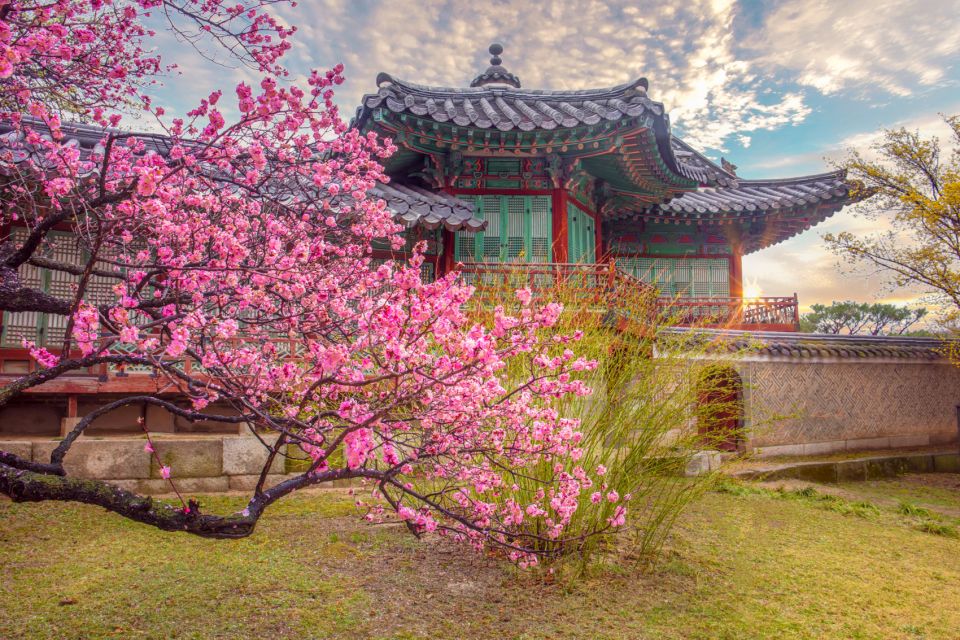
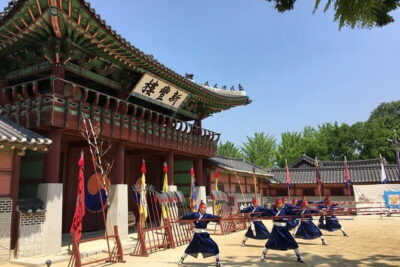
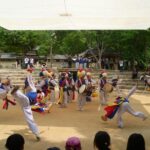
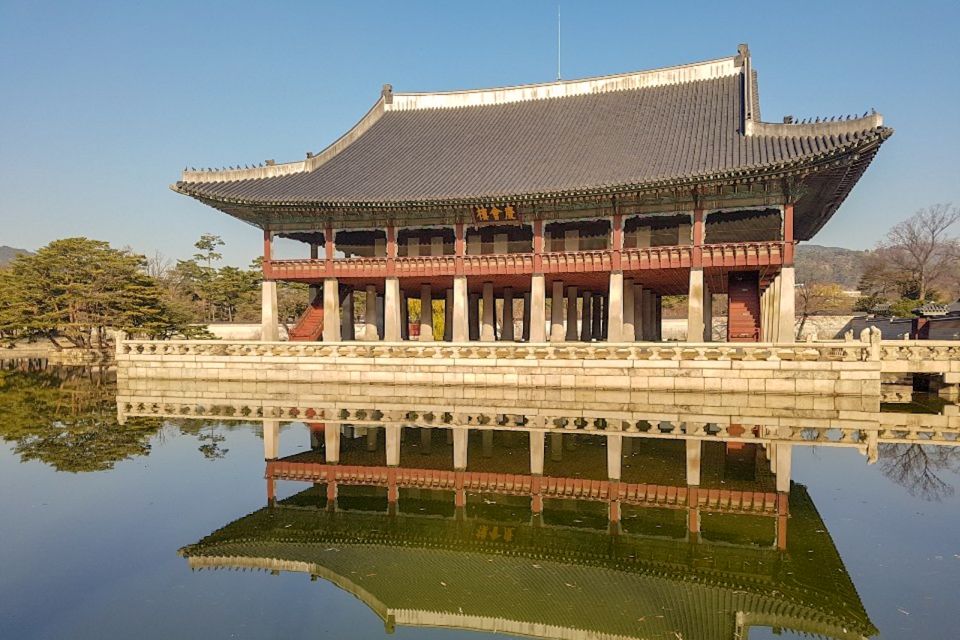
Gyeongbokgung is the big headline, and for good reason. The experience centers on the changing ceremony of the royal guards, a moment that makes the palace feel alive rather than just historic.
From there, the guide walks you through the palace as part of Joseon Dynasty Korea, including its 500-year backdrop. Even if you’ve read a little before coming, a guided route helps you understand how all the pieces fit together: why certain buildings exist where they do, and how the palace functioned as more than a fancy backdrop.
Practical payoff: you’re not just taking photos and moving on. The tour format makes time for you to notice details, then connect those details to the larger story the guide is telling.
Where the tour can feel fast
A palace is huge, and you’re in a 3-hour program. That means you’ll see the major highlights and key areas, but you won’t have hours to wander every corner at your own pace. If you like slow, lingering museum-level attention, you may want to plan a return visit later.
National Folk Museum of Korea inside the palace: artifacts with context
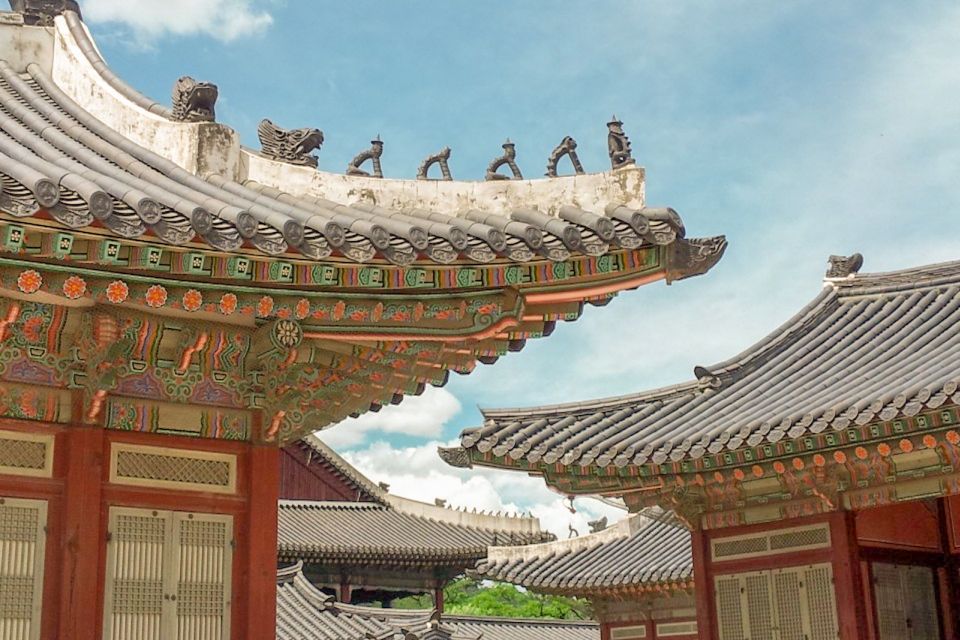
One of the smartest parts of this tour is the stop at the National Folk Museum of Korea, located within the palace grounds. Instead of only focusing on royal life, you shift to the home-front view.
You’ll spend time with the museum’s Joseon-era collections, including over 98,000 artifacts. The emphasis is on understanding daily life—what people used, what their routines looked like, and what ordinary living meant in that period.
This is where a guide matters most. Artifacts can feel like random objects unless someone explains how to read them. With the tour, you get that interpretive thread, so the museum becomes a set of clues about how people lived, worked, ate, dressed, and belonged.



Bukchon Hanok Village: Samcheongdong Alley and the old-meets-new feel
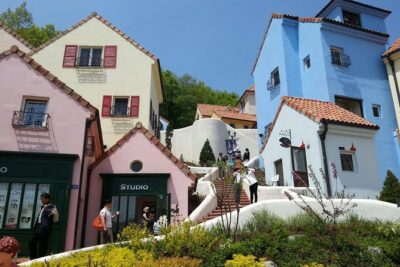
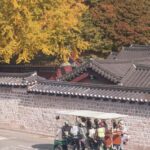
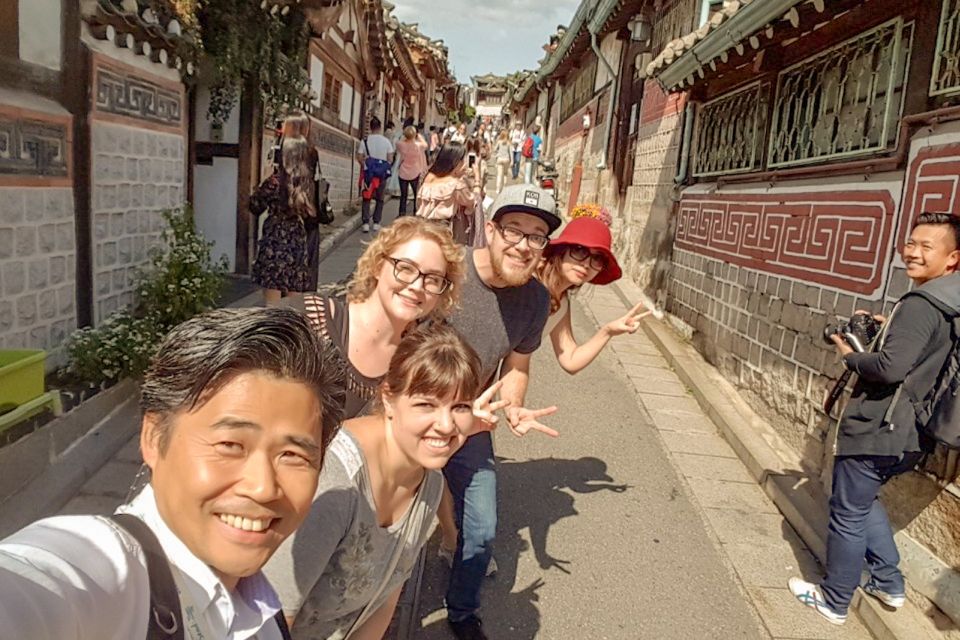
After the palace, the tour walks into Bukchon Hanok Village for a route through Samcheongdong Alley. This is where Seoul stops being only royal and starts being residential and human-scale.
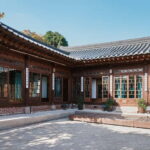
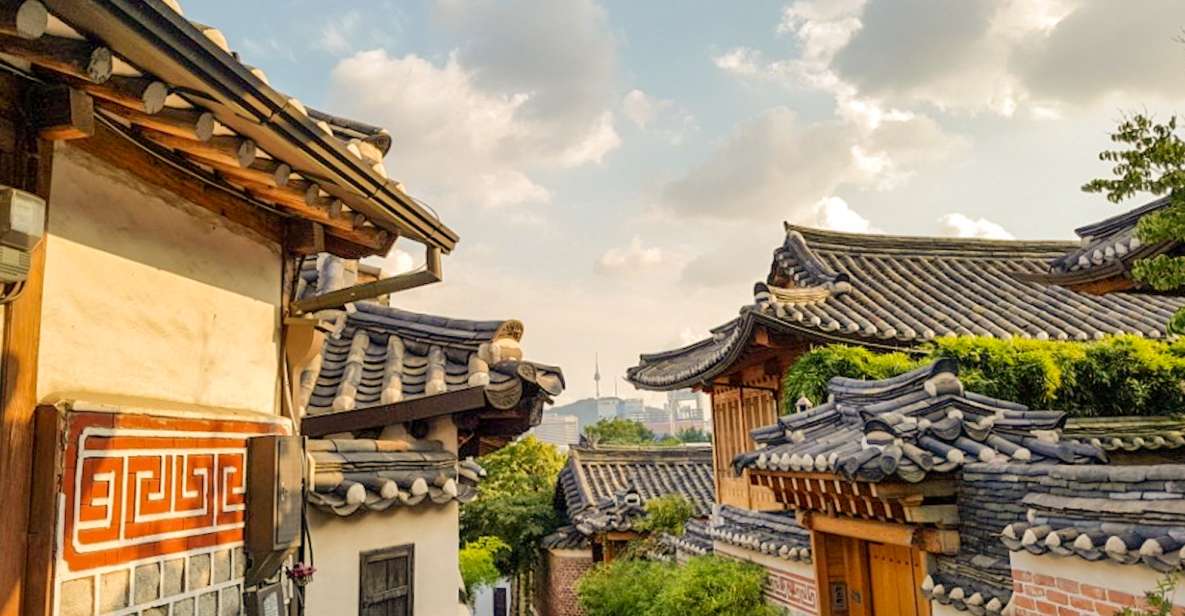
You’ll admire traditional houses and get a sense of how old structures coexist with newer parts of the city. That contrast is the point. Bukchon isn’t a sealed-off theme park; it’s a living neighborhood pattern where the old building style still shapes the streetscape.
The physical reality of Bukchon
This is the part you feel in your legs. The walk includes uneven textures and some uphill movement through the alleys, so pack for comfort and stamina. If cold weather hits, the uphill climbs can take longer than you expect, so give yourself a steady pace rather than sprinting for photos.
On the upside, that walking is also why the neighborhood feels real. You’re moving at human speed, seeing doorways, small lanes, and the way the houses sit together.
Insadong at the end: a smart place to reset and shop
The tour finishes in the Insadong area, which is a practical choice. You’re already in old Seoul, so you can continue with souvenirs and snacks without having to relocate.
Insadong is also a good moment to ask your guide for recommendations. If you want to buy Korean crafts, try a specific snack, or find an area less chaotic than the busiest streets, your guide can usually point you in the right direction.
This ending works well for people who want the tour to give them a plan, not just a list of stops. You leave with momentum and options.
Small group size and English guiding: what you’re paying for
This tour costs $88 per person and runs about 3 hours. At that price, you’re not only paying for sightseeing; you’re paying for guided interpretation plus access to key entry.
Included in the price:
- a live English guide
- Gyeongbokgung entrance ticket
Not included:
- hotel pickup and drop-off
Also, it’s limited to 8 participants, which is a big deal in a place like Bukchon where narrow lanes can slow groups down. Small-group format means the guide can answer questions, keep the pace reasonable, and help you find the best angles and moments without herding everyone like cargo.
Guide style is a major theme in this tour experience. In English-led runs, guides such as Joe, Stella, Jay Kim, Kay, and Jae show up in past experiences, and the common thread is storytelling tied to what you’re seeing right now—palace purpose, neighborhood formation, and how old and new Seoul connect.
Is $88 good value?
For me, $88 feels fair because the ticket is included and you’re paying for a guide to turn the sights into understanding. If you plan to walk and take photos anyway, adding interpretation usually beats doing it solo while guessing your way through the palace and museum.
If you hate walking, or you strongly prefer a hotel pickup, then the value shifts. But if you’re comfortable navigating on foot and you want context fast, it’s a solid deal.
Weather and timing: the one variable you should respect
The tour itinerary can change due to weather and traffic. That matters in Seoul because winter conditions can make outdoor walking more tiring, and rain can slow down museum-and-alley pacing.
You’ll get the best experience if you dress for the day, not just the forecast. Comfortable clothes and shoes are specifically called out for a reason.
Also, plan to arrive a bit early. Meeting at a subway exit is straightforward when you give yourself a few minutes buffer.
Who this tour is best for
This works especially well if:
- you’re in Seoul for a short time and want a fast, guided introduction to old neighborhoods
- you like history that explains present-day Seoul choices, not history as trivia
- you enjoy walking routes with frequent points of interest
- you want transit guidance early, so you can explore more confidently later
It may be less ideal if:
- you want long, unhurried time at each stop
- you’re sensitive to uphill walking or lots of standing
- you’re expecting a low-effort “sit and watch” style tour
Tips to make the most of your 3 hours
Bring comfortable shoes. Bukchon’s steps and uneven surfaces will decide how much you enjoy the walk more than the sights themselves.
Dress in layers. The tour is outdoors between major stops, so temperature shifts can catch you off guard.
If you care about photos, think in terms of angles, not just snapshots. The guide’s route helps you hit classic views and also less obvious spots that are easier to miss on your own.
Finally, use the guide for more than history. Ask for practical advice on what to do after Insadong, where to go next, and how to get there efficiently.
Should you book this Seoul Gyeongbokgung and Bukchon walking tour
Yes, book it if you want an efficient morning that links palace ceremony, Joseon-era daily life, and the living layout of Bukchon. The price makes sense for what’s included, especially with a small group and an entrance ticket handled for you.
Don’t book it if walking and standing feel like a chore, or if you need hotel pickup to keep your day simple. Also consider planning a separate longer visit to Gyeongbokgung later if you want deeper time in the palace grounds or museum.
If your goal is a strong first understanding of Seoul’s old heart, this tour is a well-paced way to start.
FAQ
How long is the Seoul Gyeongbok Palace and Bukchon Hanok walking tour?
The tour duration is 3 hours.
How much does the tour cost?
The price is $88 per person.
What is the meeting point for the tour?
You meet at City Hall Station, Exit 6 (outside of the exit). It is right next to The Plaza hotel.
Does the tour include hotel pickup or drop-off?
No. Hotel pickup and drop-off are not included.
What does the tour include?
The tour includes a live English guide and the Gyeongbokgung entrance ticket.
What will I see at Gyeongbokgung Palace?
You’ll walk to Gyeongbokgung Palace, watch the changing ceremony of the royal guards, and stop at the National Folk Museum of Korea within the palace.
Is the tour in English?
Yes, the live tour guide speaks English.
What should I bring, and is the route weather-dependent?
Bring comfortable shoes and comfortable clothes. The itinerary is subject to weather and traffic conditions.