REVIEW · SEOUL
Seoul: Herbal Tea Class & Korean Medicine Tour
Book on GetYourGuide →Operated by Heojunoppa · Bookable on GetYourGuide
A 2 p.m. start that smells like science. You’ll handle around 40 traditional herbs, then blend your own Korean herbal tea. I like that the class is hands-on, not just talk, and that you leave with a take-home bottle. One thing to consider: the museum experience can feel more self-guided at times, and English support depends on how your guide runs the day.
The rest of the tour is built to help you connect herbs to the logic of Traditional Korean Medicine (TKM). I also like the guide’s flexible teaching style, from true beginners to people who already know Yin-Yang and Five Elements. The overall goal is simple: you walk away with practical tea-making skills and a clearer framework for how Korean medicine thinks about health.
In This Review
- Key things to know before you go
- A 2 p.m. workshop start with about 40 TKM herbs
- Blend Your Own Herbal Tea: Yin-Yang and the Five Elements in real life
- K-medi Center and the TKM Museum: what expert commentary really adds
- Optional Korean Medicine Experiences after the museum (and their real costs)
- Sungil Choi (Heojunoppa): flexible teaching for beginners and professionals
- Price and value at $50: when it’s a steal and when it feels tight
- Planning tips so the day stays enjoyable
- Should you book this Seoul herbal tea class and TKM tour?
- FAQ
- What time does the tour start in Seoul?
- Where do I meet for the tour?
- Is the tour offered in English?
- How does the tea-making part work?
- What’s included in the tour fee?
- What’s not included after the museum visit?
- How much do optional treatments cost?
- Can the guide help with clinic consultations?
- Is there a way to book without paying right away, and what about cancellation?
- Are photos or videos allowed during the tour?
Key things to know before you go
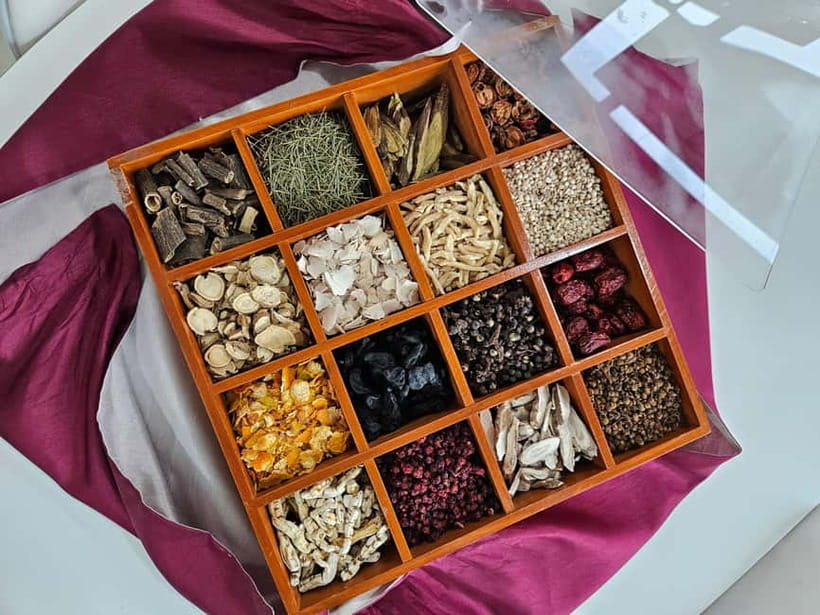
- Hands-on herb time: You touch and experience about 40 medicinal herbs in the workshop.
- Personalized tea blending: You pick ingredients that fit you and create your own mix.
- TKM principles explained: Yin-Yang and the Five Elements get explained in plain language.
- Museum entry + expert commentary: You get guided context at the TKM Museum (K-medi Center area).
- Optional add-ons cost extra: Foot baths, massages, acupuncture, and moxibustion are not included.
- English tours with translation support: The class is in English, but museum materials may not be.
A 2 p.m. workshop start with about 40 TKM herbs
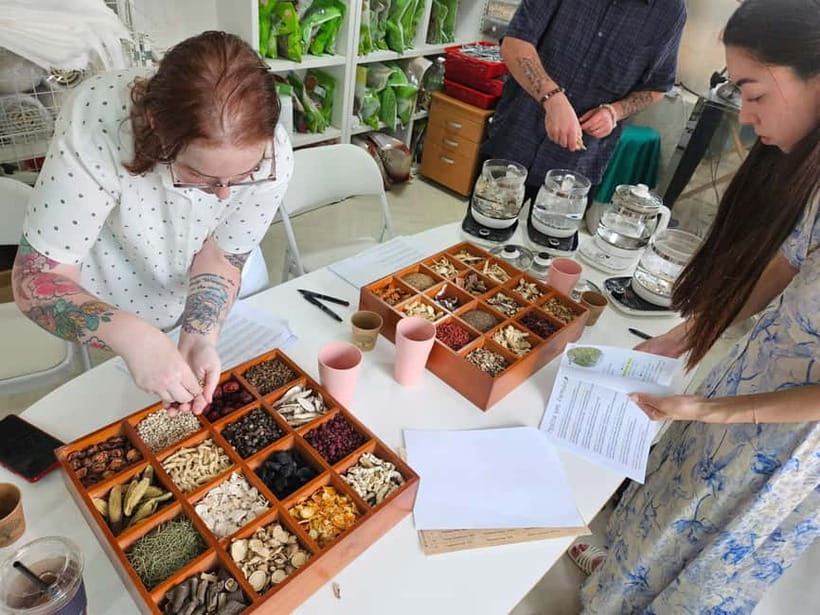
Plan on starting your afternoon at 2:00 p.m. in the guide’s workshop, with the meeting point listed as Room 401. This matters because the first portion is where you get the tactile learning—seeing herbs in jars is fine, but you won’t truly understand the differences until you can handle them.
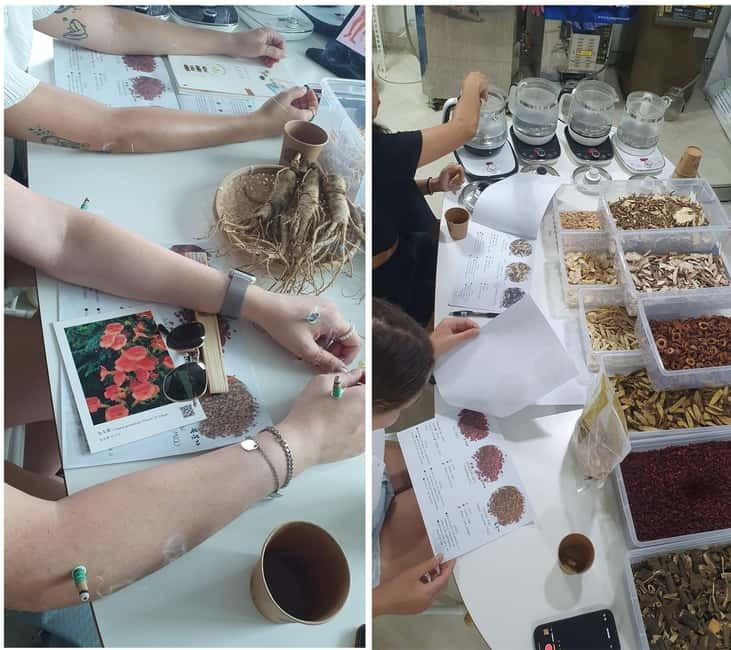
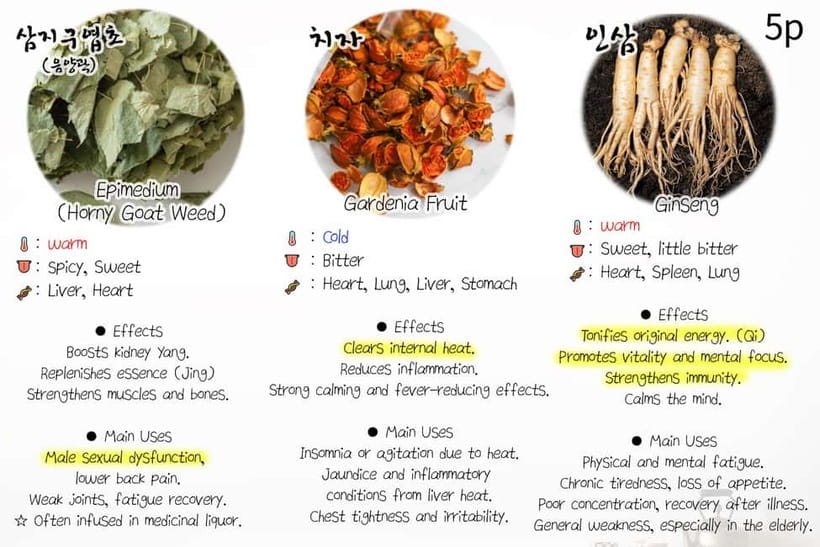
In the workshop, Sungil Choi (also known as Heojunoppa) leads you through around 40 of the commonly used medicinal herbs in Korean medicine. You’re not limited to one “set” of items. The session is designed to be flexible, and that flexibility is the real value here: the guide can adjust how much detail you need depending on whether you’re brand-new or already deep into TKM.
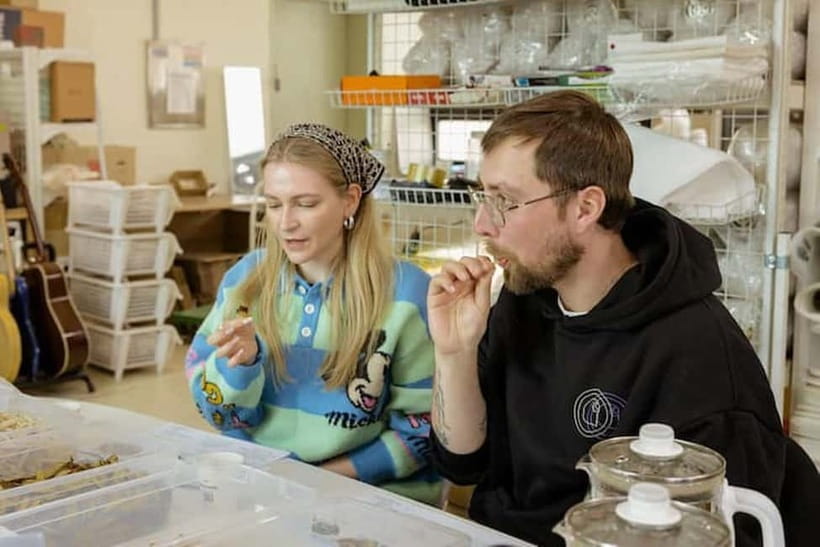
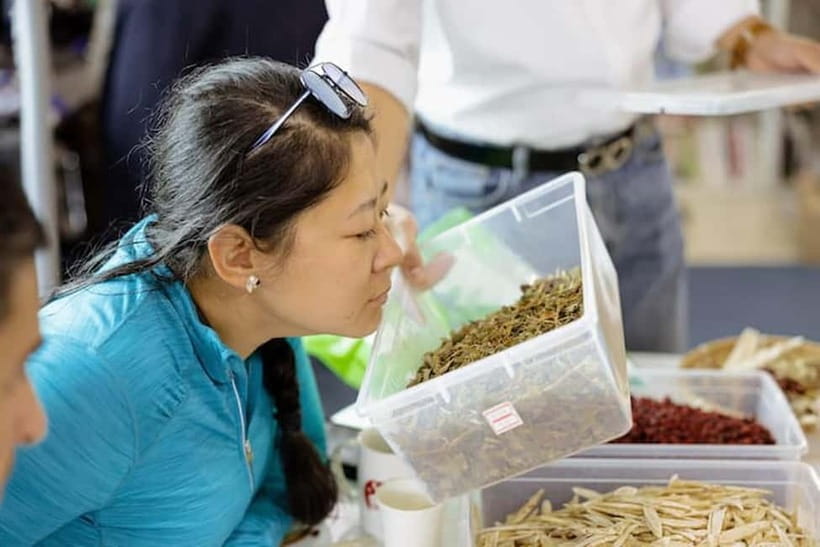
This is also where the smell-and-texture learning kicks in. Herbs vary by how they look, feel, and how they present when you’re selecting them. That sensory part sticks, because later, when you taste your own blend, your brain remembers what you chose and why.
You can also read our reviews of more tours and experiences in Seoul
Blend Your Own Herbal Tea: Yin-Yang and the Five Elements in real life
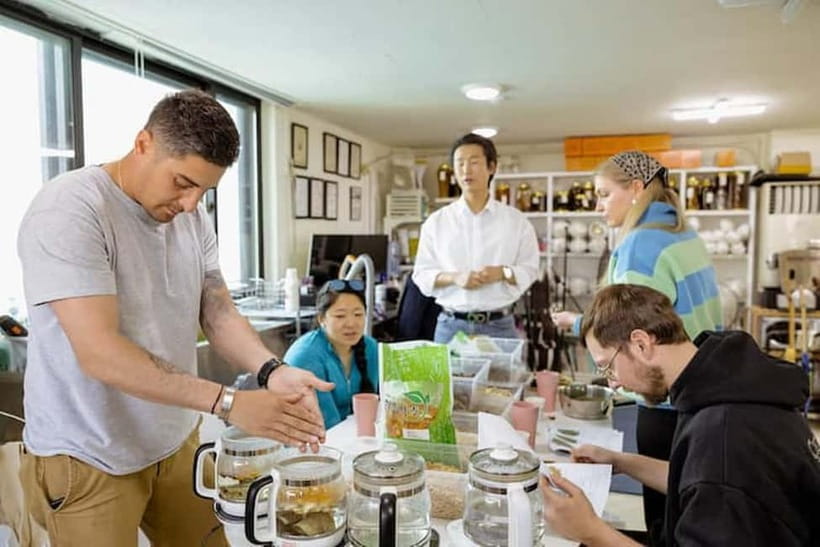
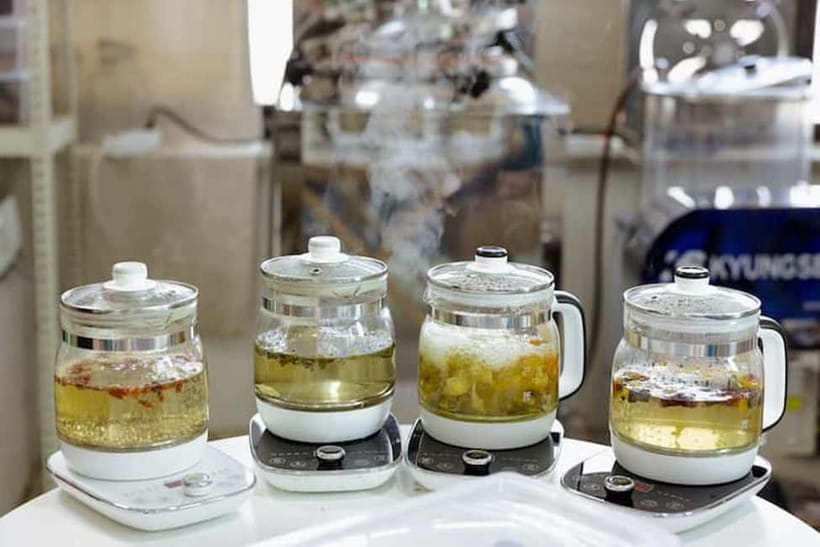
The headline of this tour is the tea-making. After you’ve been introduced to the herbs, you select ingredients to create a personalized herbal tea blend. You also get the teapot needed for blending, plus a welcome drink (herb medicine tea) to set the tone before you start mixing.
What I like is that the tour doesn’t treat tea-making as a craft-only activity. As you blend, the guide explains the thinking behind TKM in a way that’s meant to be usable, not academic. You’ll get basic instruction on:
- Yin-Yang (the balancing idea)
- Five Elements (the framework many practitioners use)
- How Eastern approaches can differ from Western medicine thinking
This is especially helpful for people who want a bridge between traditions. You might come in wondering how a herb is matched to a body’s state. Even if you don’t leave with medical certainty (you won’t), you’ll leave with a clearer map of the reasoning.
And yes, you get to take your tea home. Included in the experience is a bottle so you can pack your blend for later. That small detail is more important than it sounds: it turns the class into a souvenir you can actually use, not just a photo opportunity.
K-medi Center and the TKM Museum: what expert commentary really adds
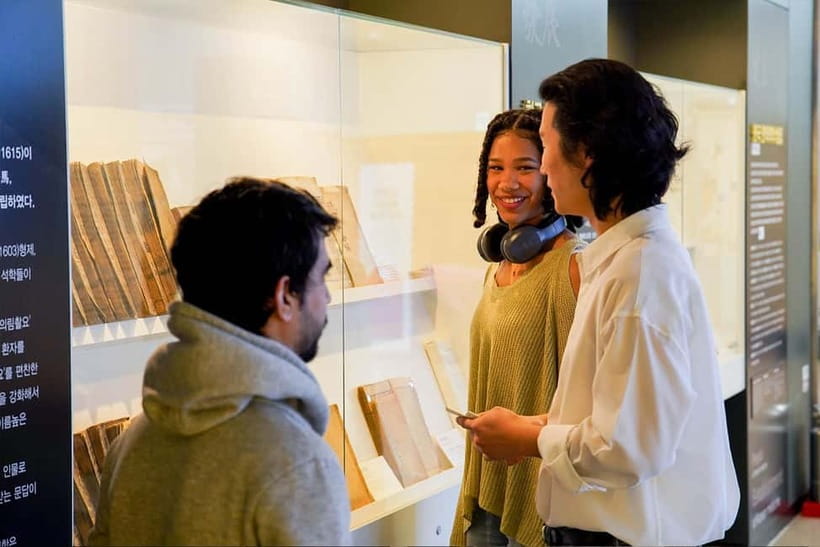
After tea-making and a short break, the tour heads to the K-medi Center area for the TKM Museum visit. Museum entry is included, and so is museum commentary by a Traditional Korean Medicine expert. This is where the tour can either feel like a guided learning experience or drift into self-exploration, depending on how your day runs.
Here’s the practical way to think about it: a museum with medical history and traditional practices can be hard to “read” if the signage isn’t in your language. The tour is offered in English, but museum labels and exhibit text may not be fully in English. One key consideration from past experiences is that you may need your phone translation tools at times, especially if exhibit captions are in Korean only.
Even with that caveat, expert commentary helps you connect what you see to how Korean medicine frames health. You’re not just walking room to room; you’re trying to understand what the museum is trying to teach, and why certain traditions exist.
A smart move: come ready with 2–3 questions tied to your own interests—sleep, digestion, stress, general balance, or curiosity about specific herb categories. If you ask with intent, the museum portion becomes more rewarding, even when written explanations are limited.
Optional Korean Medicine Experiences after the museum (and their real costs)
Once the museum portion is done, you can add optional experiences depending on what you want to try. Important: these options are not included in the base $50 tour fee. If you’re trying to keep your total day budget tight, you’ll want to decide in advance what you’ll skip.
Here are the additional costs listed:
- Outdoor foot bath: 6,000 KRW per tub (fits 2 people)
- Meridian massage: 5,000 KRW per person
- Moxibustion or acupuncture: approximately 50,000 KRW
- Korean medicine clinic treatment: around 50,000 KRW without health insurance (price may vary slightly)
One reason this matters for value: the base tour fee includes the workshop herbs, tea-making, and museum entry/commentary. The optional medical-style treatments can quickly make your day’s total cost jump. That doesn’t make the tour worse—it just means you should treat the $50 as the class + museum portion, not as a full healing day.
If you’re curious about acupuncture or moxibustion, this is still one of the easier ways to test the waters because you’re already thinking in TKM terms from the tea-making and explanations earlier.
Sungil Choi (Heojunoppa): flexible teaching for beginners and professionals
The guide is Sungil Choi, under the experience name Heojunoppa. You can feel the focus on teaching because he designed the session to match your level.
The tour description is very clear about flexibility. Many people joining have a strong interest in herbs and Traditional Korean Medicine, but the guide still adapts. That matters because trying to cover everything about herbs in a single day is impossible. His approach is to focus on commonly used herbs and explain enough of the framework so you can leave with something you can actually use.
You’ll also get support for follow-up. The highlight says you can stay connected after the tour with questions anytime. That’s a big deal if you come home and realize you bought herbs (or you want to adjust your routine) and you need someone to sanity-check your thinking.
There’s also a practical service angle: the guide can assist with interpreting your symptoms and help connect you with the right specialist after the museum. If you’re planning to do a clinic visit or other hands-on treatment, that kind of support can make the experience less intimidating.

Price and value at $50: when it’s a steal and when it feels tight
At $50 per person, this tour is priced like a learning experience plus a museum visit—not like a full medical appointment. That’s the right way to judge it.
Here’s what you’re getting for the base fee:
- Welcome drink (herb medicine tea)
- Herbs and teapot for blending traditional Korean herbal tea
- Basic lecture on TKM
- A bottle to take your tea home
- Museum entry ticket
- Museum commentary by a TKM expert
So the value really depends on what you take home and what you expect from the museum. If you want to learn, blend, and get guided context, $50 is reasonable.
If you expect a fully scripted, high-touch museum walkthrough with nonstop deep explanation, you might feel shortchanged—especially if your session turns more self-guided. One past experience described a museum visit without much active explanation, plus a detour for lunch. Another mention: there can be gaps if you want every exhibit fully explained in English and the museum materials don’t support that.
My advice: treat it like a class first, museum second. The tea-making and herb selection are the strongest part of the experience.
Planning tips so the day stays enjoyable
A few small choices can make a big difference:
- Bring 2–3 personal topics you care about, like stress, sleep, digestion, or general balance. The blending part works best when you’re aiming your choices.
- Be ready for translation support needs in the museum area. The tour is in English, but museum signage may not be fully English.
- If you’re sensitive about photos/videos, it’s smart to ask about permission before recording. One reported issue involved filming without everyone’s permission, so you shouldn’t assume it’s handled the way you’d prefer.
- Decide what optional add-ons you might want before you finish the museum. Foot baths, massage, and clinic treatments have clear extra costs, and you can plan around them.
And because this starts in the afternoon and ends back at the meeting point, you’ll want to keep your evening flexible. If you add an optional treatment, you’ll likely want time to recover and stay comfortable.
Should you book this Seoul herbal tea class and TKM tour?
Book it if you want a practical, hands-on way to understand Korean medicine through herbs and tea. I’d especially recommend it if you enjoy learning by touching and tasting, and if you like frameworks like Yin-Yang and the Five Elements that connect tradition to everyday decisions. The take-home bottle is a strong reason to book.
Skip or adjust expectations if you’re expecting an all-English, museum-guide style explanation of every exhibit with nonstop detail. The museum materials may be limited in English, and the pace of active explanation can vary by session.
If your goal is to try TKM without immediately jumping into medical treatments, this is a solid step. You get the class, the herb learning, and the museum context—and then you can decide later whether acupuncture, moxibustion, foot baths, massage, or a clinic visit makes sense for you.
FAQ
What time does the tour start in Seoul?
The tour starts at 2:00 p.m.
Where do I meet for the tour?
You meet at Room 401. If you’re not familiar with the address, detailed directions are sent on the day of the tour.
Is the tour offered in English?
Yes, the tour is available in English.
How does the tea-making part work?
You’ll explore around 40 medicinal herbs, then choose ingredients to blend your own personalized herbal tea. You also get the teapot and take-home bottle.
What’s included in the tour fee?
Included items are the welcome drink (herb medicine tea), herbs and teapot for blending, a basic lecture on Traditional Korean Medicine, a bottle to take tea home, museum entry, and museum commentary by a Traditional Korean Medicine expert.
What’s not included after the museum visit?
Optional experiences after the museum are not included, including outdoor foot baths, meridian massage, acupuncture or moxibustion, and Korean medicine clinic treatments. Shopping expenses and medical treatment fees for individual activities are also not included.
How much do optional treatments cost?
Outdoor foot baths are listed at 6,000 KRW per tub (fits 2 people). Meridian massage is 5,000 KRW per person. Moxibustion or acupuncture is approximately 50,000 KRW. Clinic treatments are around 50,000 KRW without health insurance (price may vary slightly).
Can the guide help with clinic consultations?
Yes. The guide can assist with interpreting your symptoms and guide you through the consultation process, then connect you with a specialist if needed.
Is there a way to book without paying right away, and what about cancellation?
You can reserve and pay later (book your spot and pay nothing today). You can cancel up to 24 hours in advance for a full refund.
Are photos or videos allowed during the tour?
The tour includes a hands-on experience, but there’s no blanket policy listed. One past experience raised an issue about the guide taking photos and video without asking permission, so it’s smart to ask about your preference before recording.