REVIEW · SEOUL
From Forest to Table: A Hansik Cooking Journey in Seoul
Book on GetYourGuide →Operated by Soop Table · Bookable on GetYourGuide
Your hands learn Korean food fast. This Seoul hands-on hansik cooking class takes place in a calm, Hanok-inspired studio, with real ingredients and clear guidance from the host, Woody. I love that you start with traditional tea and then jump into cooking without the usual tourist-kitchen awkwardness.
Next, I really like the choice built into the meal. You’ll make four side dishes, then pick your own main and soup, and finish by assembling a bibimbap that’s actually your own plate—not just something you’re handed.
One thing to consider: the class is not vegetarian or vegan, and it includes grilled pork belly. If you have food allergies, you should also skip this since the data says it isn’t suitable for people with allergies.
In This Review
- Key things you’ll remember
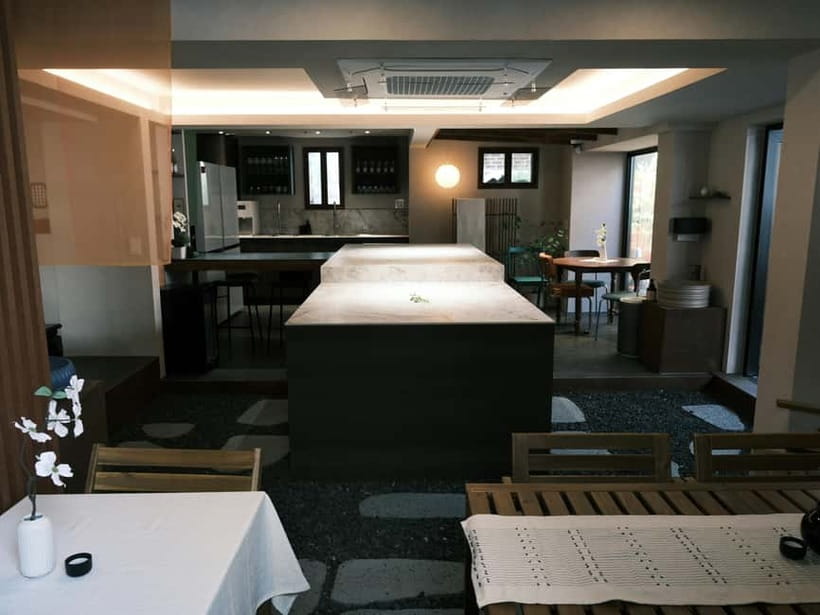
- Stepping into Soop Table’s Hanok-inspired kitchen
- The 210-minute flow: from tea to bibimbap to dessert
- Four side dishes and one soup: learning the Korean building blocks
- Choosing your own main and soup: personal, not cookie-cutter
- Bibimbap assembly: the part where your plate becomes the product
- Woody’s samgyeopsal moment: the grilled pork belly with ssam
- Dessert and the sit-down pace: eating like you have time
- Price and value: what $89 buys you in Seoul cooking time
- Who this fits best (and who should skip it)
- Should you book From Forest to Table: A Hansik Cooking Journey?
- FAQ
- How long is the cooking class?
- Where do I meet for the experience?
- How much does it cost?
- What’s included in the price?
- Is it beginner-friendly?
- What languages are supported?
- Is the class suitable for vegans or vegetarians?
- What should you bring, and is transportation included?
- What’s the cancellation policy?
Key things you’ll remember
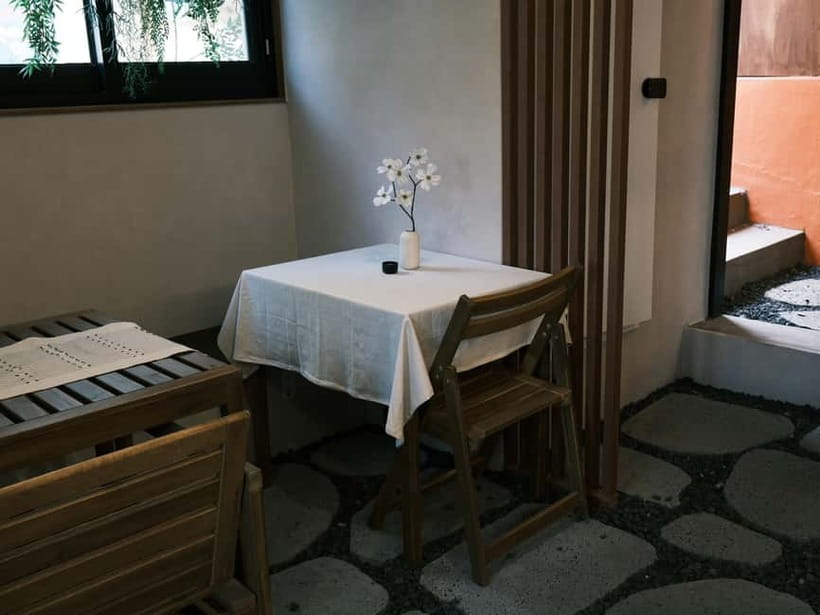
- Hanok-inspired studio in Seoul that feels like a peaceful home kitchen
- Pick-your-own main and soup while still learning the core Korean rhythm
- Beginner-friendly, guided steps so you’re cooking, not watching
- Host-grilled samgyeopsal with ssam vegetables served family-style
- Bibimbap you plate yourself, then you slow down and eat
- Digital recipe photos plus a small souvenir gift to keep the momentum going
Stepping into Soop Table’s Hanok-inspired kitchen
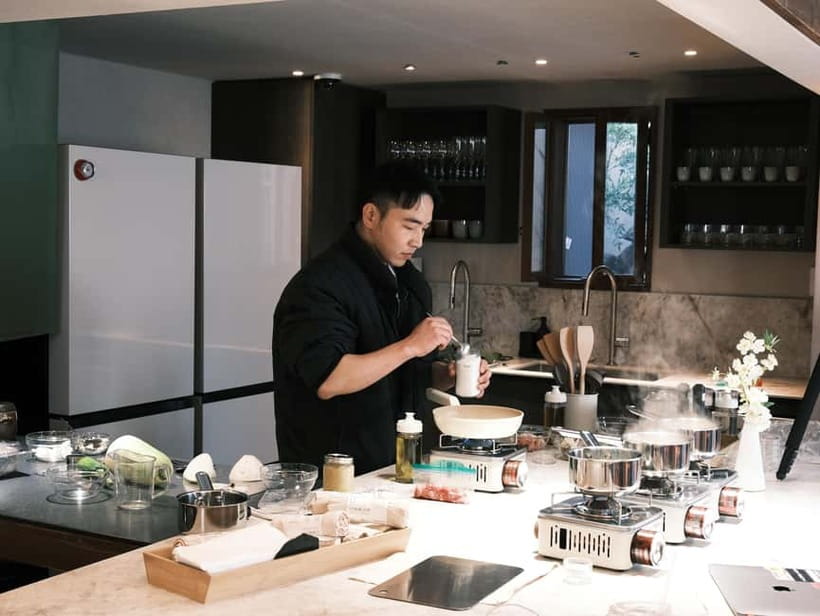
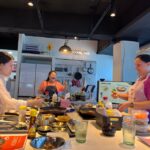
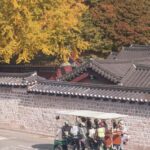
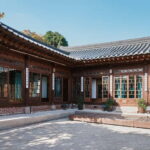
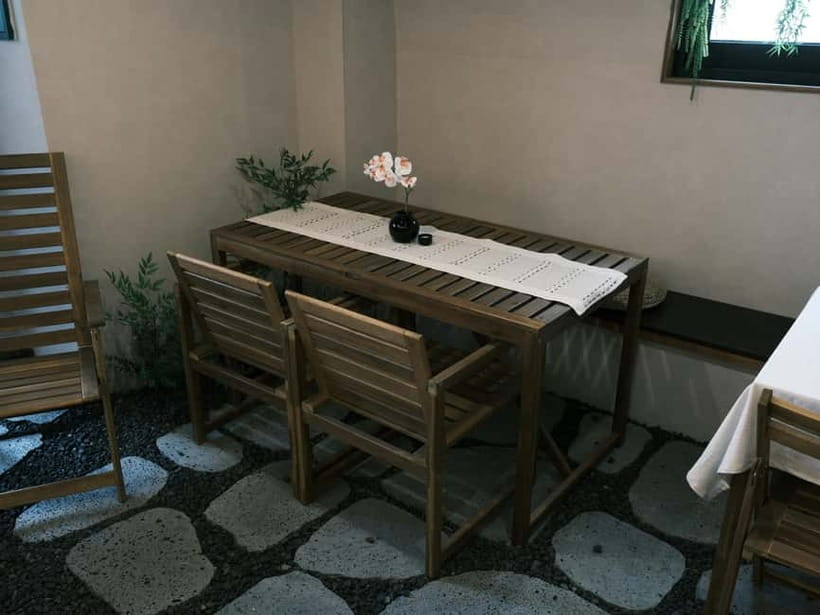
The experience meets at SOOP TABLE – The Hansik Atelier, and the first surprise is the mood. Instead of a loud classroom setup, you’re in a warm, Hanok-inspired studio space designed for comfort. The group stays small (limited to 8), which matters more than people think—when there’s room to breathe, you can focus on cooking.
Woody leads the class in English (and Korean as needed), and the whole thing is built around a relaxed rhythm. You start with a cup of traditional Korean tea and a short conversation about Korean food culture, then you move into ingredient prep and cooking right away. That mix—tea + technique—is a smart way to settle in before you start chopping, mixing, and seasoning.
Comfort tip: wear something you can move in. You’ll be standing and working at the counter, and you’ll want clothes that won’t make you self-conscious when they inevitably get a tiny bit of kitchen on them.
You can also read our reviews of more cooking classes in Seoul
The 210-minute flow: from tea to bibimbap to dessert
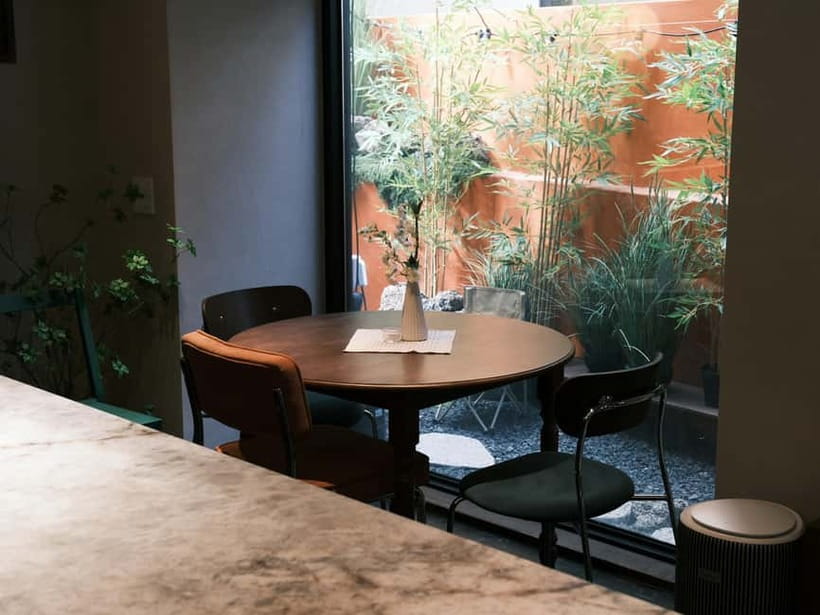
This is a 210-minute class, which is long enough to actually cook a full meal without rushing. The pacing feels intentional: warm-up, hands-on cooking, then sit down and enjoy what you made.
Here’s the usual sequence you can expect:
First, you begin with traditional welcome tea and a quick chat about Korean food culture. It’s not a lecture. It’s more like getting your bearings, learning what you’re about to make, and understanding why certain dishes are built the way they are.
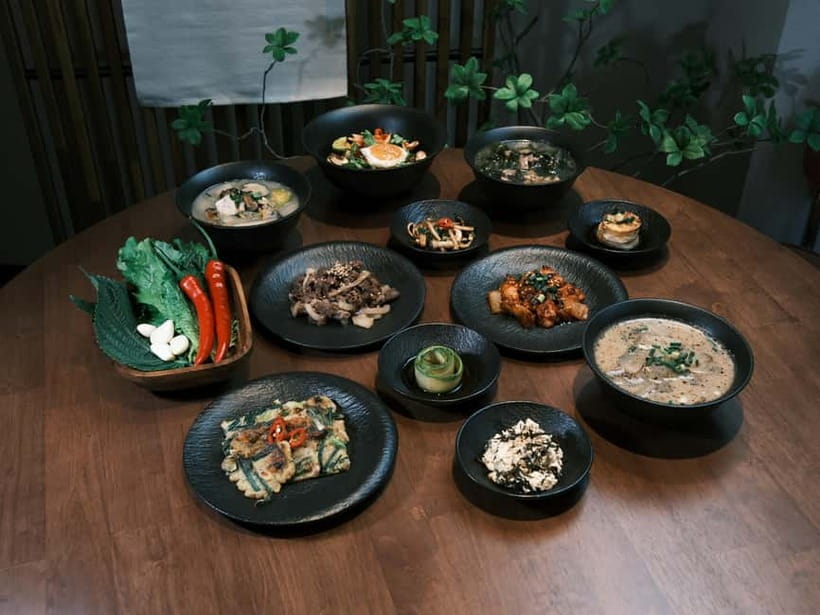
Then comes the hands-on work: you’ll prepare four side dishes plus one soup or stew. You also choose your own main dish from the options provided, and you’ll make it step-by-step.
Later, you’ll assemble a bibimbap and plate it beautifully. This is the part that turns “cooking class” into “home meal you’d actually want to serve guests.” And yes, you’ll taste along the way.
After the cooking, you sit down together, eat slowly, and enjoy a dessert. Adults also get a glass of traditional Korean distilled liquor with the meal, with filtered water available during dining.
Four side dishes and one soup: learning the Korean building blocks
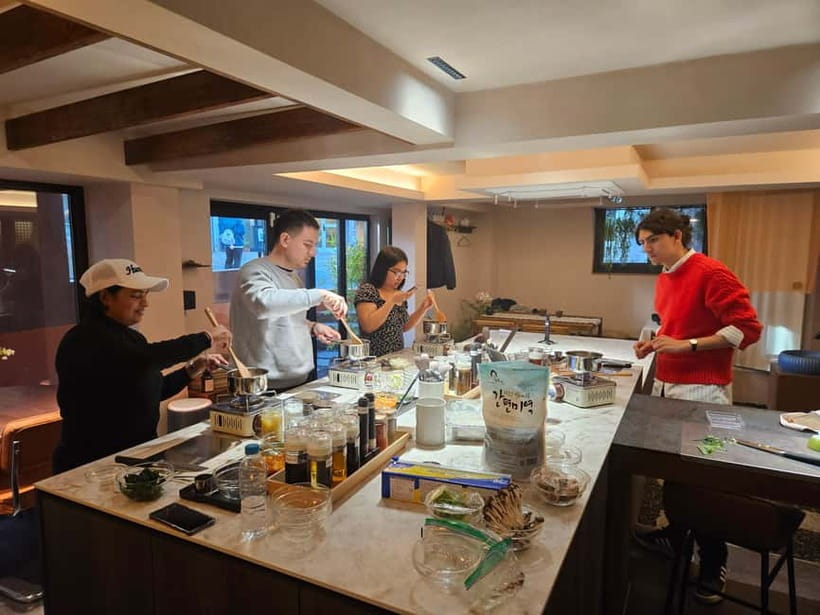
The class is set up so you’re not just making one dish. You’ll build a meal the way Koreans often think about eating: multiple components that balance each other.
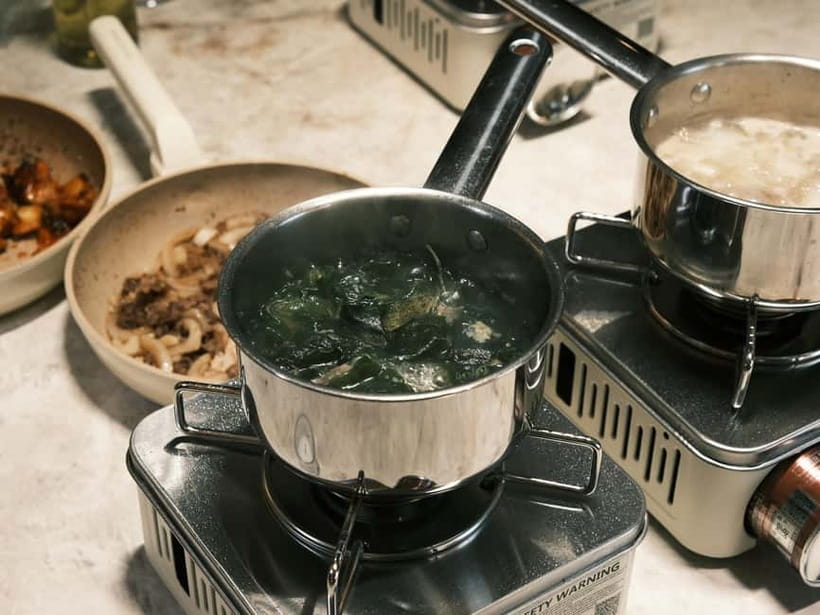
You’ll cook four side dishes from scratch, with all ingredients provided and the steps explained in English. The guidance is designed for beginners, so you’re not expected to have knife skills beyond “I can hold a knife without panic.” You’ll still work at real cooking pace, but it’s organized.
The soup (or stew) is your second “framework” dish. Once you cook it yourself, you’ll see how Korean meals use broth, seasoning, and texture to tie everything together. This is one of those skills that stays useful after the class. Even if you don’t recreate everything perfectly at home, you’ll know what the dish should feel like.
A practical takeaway: when you’re making side dishes plus soup, timing matters. This is where the class format helps—things are laid out so you can keep moving without getting stuck waiting for someone else’s slowest step.
Choosing your own main and soup: personal, not cookie-cutter
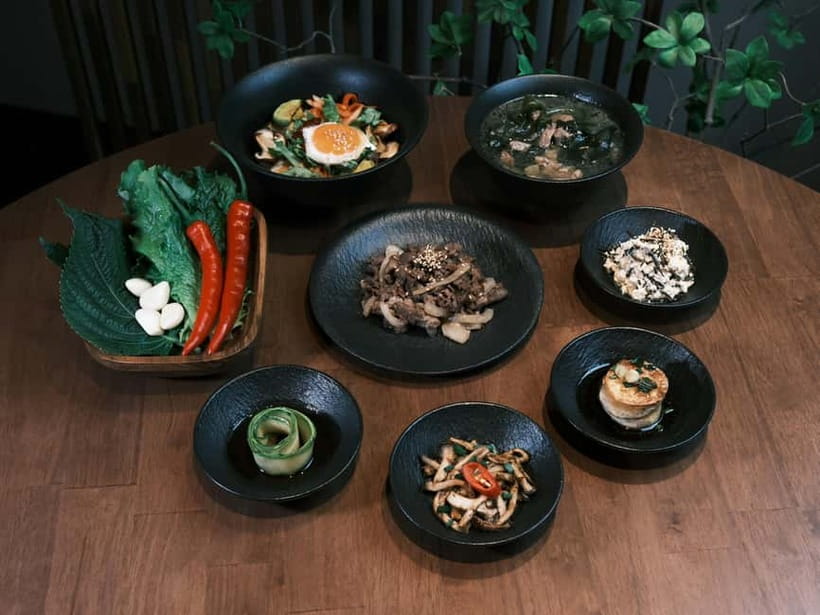
This is one of the biggest reasons people love the class. You don’t just do the same menu as everyone else.
Each guest selects their own main dish and their soup (from the options offered). That means you get a meal shaped by your tastes. It also keeps you engaged during cooking—you’re thinking about your choices, not just following a single template.
One review noted there are choices for soup and main from a small set of options (like three), and that matches the feel of a guided class where the instructor can still manage the kitchen flow. In other words: you get flexibility, without the chaos that comes from total free-for-all.
For you, this matters if you:
- want to try specific Korean flavors rather than only what the group chooses
- like comparing dishes while you cook
- enjoy the satisfaction of saying, I picked this, then I made it
Bibimbap assembly: the part where your plate becomes the product
Bibimbap often gets described like it’s just rice and toppings. Here, you get the real lesson: the meal is about composition.
You’ll prepare your components and then build a bowl into a beautifully plated bibimbap. The guidance helps you balance the visual and flavor side: vegetables, seasoning, and how everything comes together on top of rice.
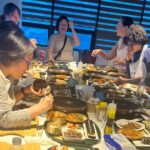
Then you sit down and eat it as a finished dish. That’s a key difference from many cooking classes where the tasting feels like a quick “check-the-box” moment. This one is structured as a meal you can actually enjoy.
If you care about presentation, you’ll like this. If you don’t, you’ll still benefit because the plating forces you to pay attention to proportions and texture—exactly what makes bibimbap work.




Woody’s samgyeopsal moment: the grilled pork belly with ssam
At some point, you get the star home-dining experience: samgyeopsal. The host personally grills samgyeopsal (Korean pork belly) and serves it with fresh seasonal vegetables for ssam lettuce wraps.
This part is valuable even if you’ve had Korean BBQ before. In a typical restaurant, you order and eat. In this class, you experience the timing and the serving style as part of the meal rhythm. You’ll also see how ssam works as an assembly: grab lettuce, add meat, add vegetables, then wrap and eat.
Because the class isn’t vegetarian and includes grilled pork belly, this is the part you should think about before you book. If pork is fine for you, this will likely be one of your most memorable meals in Seoul.
And it’s not just an add-on showpiece. It’s served as part of the meal you spent the earlier portion of the class learning to cook.
Dessert and the sit-down pace: eating like you have time
After cooking, you take a seat and enjoy the meal slowly. That matters. Korean dining isn’t about rushing to the next photo spot, and the structure here nudges you toward actual conversation.
You’ll finish with a simple Korean dessert. Some sessions may include items like hotteok based on past experiences shared during the event, but the class promise is a Korean dessert after dinner.
During the meal you also get filtered water. Adults receive a glass of traditional Korean distilled liquor, while extra alcohol isn’t included beyond that one glass. So you can decide whether to sip, pause, or skip without feeling pressured.
One small but thoughtful detail: you get a digital recipe after the class via photo. That’s useful because Korean cooking can be all about ratios and finishing touches, and photos help you remember the look of the results.
Price and value: what $89 buys you in Seoul cooking time
At $89 per person for about 210 minutes, this class sits in a “mid-range but included a lot” category. Here’s where the value really comes from:
You get:
- guided cooking for a full meal (side dishes, soup, main, bibimbap)
- all ingredients provided and ready for you to use
- cooking tools plus an apron
- a welcome tea
- a shared meal of what you made
- host-grilled samgyeopsal with ssam vegetables
- a glass of traditional distilled liquor for adults
- dessert
- filtered water during the meal
- digital recipe photos after class
- a small souvenir gift
A cooking class that only teaches one dish rarely includes this level of food volume. Here, the structure is built so you leave fed and with a concrete list of what you cooked. You’re not paying just for instruction—you’re paying for the full experience of shopping (handled), prep (handled), cooking (you do it), and dining (you slow down and eat it).
So if you’re comparing options, ask yourself: do you want to cook a complete meal, or do you just want a fun demo? This one is more meal-focused.
Who this fits best (and who should skip it)
This experience is a great match if you:
- want hands-on Seoul cooking, not a quick tasting walk-through
- like structure, but still want personal choices for your main and soup
- enjoy Korean home-style eating, especially ssam and bibimbap
- want a small group experience with a calm vibe
It’s not suitable if:
- you’re vegan or vegetarian (the class includes non-vegetarian items and pork belly)
- you have food allergies (the info says it’s not suitable for people with allergies)
- you’re bringing children under 10 (not suitable under 10)
If you do eat pork and you’re comfortable cooking a full meal, this class is likely to feel like a day made of good smells, good teamwork, and a table full of food you understand.
Should you book From Forest to Table: A Hansik Cooking Journey?
Yes, if you want a real Korean meal you build with your own hands. The mix of a peaceful Hanok-inspired studio, beginner-friendly step-by-step guidance, and the “you choose” menu format makes it feel personal without sacrificing control in the kitchen.
You should think twice if you avoid pork, follow a strict vegan/vegetarian diet, or have allergies. Also, wear comfy clothes and come hungry—when you cook four sides plus soup plus bibimbap plus grilled samgyeopsal, you’ll earn your appetite.
If your schedule is flexible, the class offers free cancellation up to 24 hours in advance and a reserve-now, pay-later option. That makes it easier to fit into a Seoul trip without turning your calendar into a stress test.
Bottom line: for Seoul food lovers who want more than a restaurant meal, this is one of the most satisfying ways to learn hansik and eat it, too.
FAQ
How long is the cooking class?
The class lasts 210 minutes.
Where do I meet for the experience?
The meeting point is SOOP TABLE – The Hansik Atelier.
How much does it cost?
It costs $89 per person.
What’s included in the price?
You get traditional Korean welcome tea, the full guided cooking class in English, all ingredients and tools (plus an apron), and a shared meal made from what you cook. You’ll also have host-grilled samgyeopsal with ssam vegetables, a glass of traditional Korean distilled liquor for adults, simple Korean dessert, filtered water, a digital recipe sent by photo after the class, and a small souvenir gift. The class is also held in a warm Hanok-inspired studio space.
Is it beginner-friendly?
Yes. The class is guided step-by-step and is designed so you do not need prior cooking experience.
What languages are supported?
The instructor guides in English and Korean.
Is the class suitable for vegans or vegetarians?
No. The experience is not suitable for vegans or vegetarians.
What should you bring, and is transportation included?
Bring comfortable clothes. Transportation to and from the venue is not included.
What’s the cancellation policy?
You can cancel up to 24 hours in advance for a full refund.