REVIEW · SEOUL
Private Tour: DMZ Aegibong & Korean Culinary Workshop Experience
Book on Viator →Operated by Jung Ho Travel · Bookable on Viator
A peek across the border, minus the crowds. This private day pairs Aegibong Peace Eco Park views with a hands-on bibimbap-focused lunch and a Korean culinary workshop. I like that it keeps the day organized around real places, not just bus rides.
I really like the pace of a private tour with pickup and drop-off, plus an English-speaking guide who can connect what you see at the DMZ to Korea’s present-day politics and tensions. The guides leading this experience (including Xander, Chuck, and Jun) are repeatedly praised for clear explanations and a friendly, on-the-ground approach.
One thing to consider: Aegibong is a military restricted area, so the tour depends on weather and access rules, and cancellation can happen in unpredictable situations.
In This Review
- Quick Hits
- DMZ Aegibong Peace Eco Park: The Viewing Stop That Changes the Mood
- Why Aegibong Peak Has More Than One Story to Tell
- The Practical Reality: Military Access and Timing
- The Gyeonggi Rice Farm Workshop: Making Gochujang Like a Local
- Bibimbap Lunch: What You’re Eating, and Why It’s Not Just Fuel
- Hand-Drip Coffee or Tea: The Calm Finish After the Border
- Guides Matter Here: What the Best Ones Actually Do
- Price and Value: Is $219 Per Person Actually Fair?
- Who Should Book This Aegibong and Korean Cooking Day
- Should You Book This Tour?
- FAQ
- What does the tour cost?
- How long is the experience?
- Is pickup and drop-off included?
- What stops are included in the itinerary?
- Is lunch included?
- Is hand-drip coffee included?
- What should I do if I have dietary restrictions?
- Can this tour be canceled?
- Is the tour private?
Quick Hits
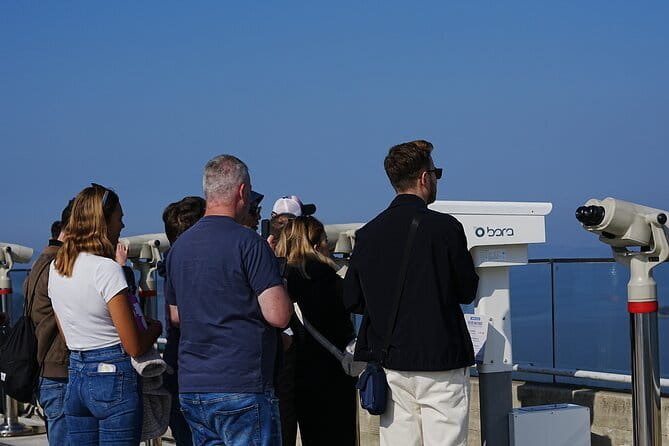
- Aegibong Peace Eco Park viewing: one of the best-known spots for seeing North Korea from South Korea, with viewer support
- A family-run gochujang workshop: make your own jar (200g) of Korea’s red chili paste to take home
- Organic, locally-sourced bibimbap lunch: a proper meal, not a quick snack stop
- Hand-drip coffee or tea: a calmer finish after the border-area visit
- Private vehicle pickup: door-to-door convenience without mixing with strangers
DMZ Aegibong Peace Eco Park: The Viewing Stop That Changes the Mood
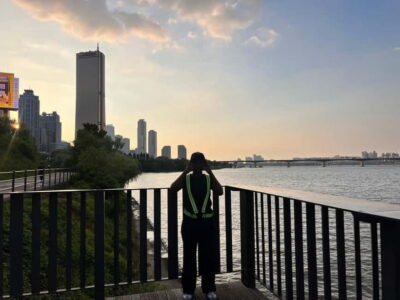
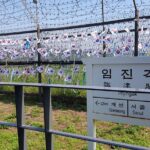
Most DMZ experiences in Seoul feel like a checklist. This one works differently because the main viewing location is Aegibong Peace Eco Park, at the northern tip of Gimpo City. It’s about an hour from central Seoul, so you’re not burning half the day stuck in traffic.
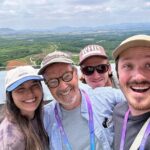
The big draw is the viewpoint itself. From Aegibong, you’re set up for looking toward North Korea, with the tour information noting you can see North Korean villagers and soldiers with viewer assistance. That matters because distance is part of the story. You’re not just hearing words about division—you’re staring at it, from the closest border point referenced for this experience.
You also get a more grounded sense of place than with generic “DMZ” labels. Aegibong Peak has a history tied to the Korean War, and the site reflects the way this area is both strategic and personal—used for watching, learning, and remembering.
You can also read our reviews of more private tours in Seoul
Why Aegibong Peak Has More Than One Story to Tell
Aegibong isn’t only about military geography. It also carries a cultural narrative that helps you understand why this spot resonates for Koreans.
The name Aegibong is built from three parts: Ae (love), gi (mistress), and bong (peak). The story connected to the mountain involves a Pyeongyang governor and his mistress, separated during the Sino-Korean War in 1636. They’re remembered as a tragic love story that people use to describe loss and separation across time.
If you like your history with real human weight, this helps. And it connects to modern meaning too. The experience notes that in 1968 President Park Chung Hee compared that separation pain to the pain of a divided Korea. Even if you’re not a history person, that line gives you a hook for the entire day: you’re seeing how one landscape got layered with emotion, war, and politics.
On-site, you typically spend about two hours at Aegibong Peace Eco Park, and that time is the core of the border-area experience. It’s long enough to absorb explanations, take in the view, and ask follow-ups.
The Practical Reality: Military Access and Timing
Let’s be honest: this daytrip has rules. Aegibong is a military restricted area, and the tour information specifically says the experience can be canceled due to unpredictable reasons connected to that access.
Weather matters too. The tour can be canceled if conditions aren’t suitable. That’s not a “someday” issue; it’s part of how this works in reality. If you’re planning your trip tightly, I’d keep at least one flexible morning or afternoon in your schedule so you can react if conditions change.
Another practical note: you should have moderate physical fitness. This doesn’t mean you need to be a mountaineer, but you should be ready for walking around a viewing area and doing it without drama. Comfortable shoes are a must.
The tour duration is about 6 hours 30 minutes total, with roughly 2 and a half hours allocated for travel. That’s a decent amount of time to get to the site, but it also means you’ll want to arrive at pickup ready to go—no slow starts.
The Gyeonggi Rice Farm Workshop: Making Gochujang Like a Local
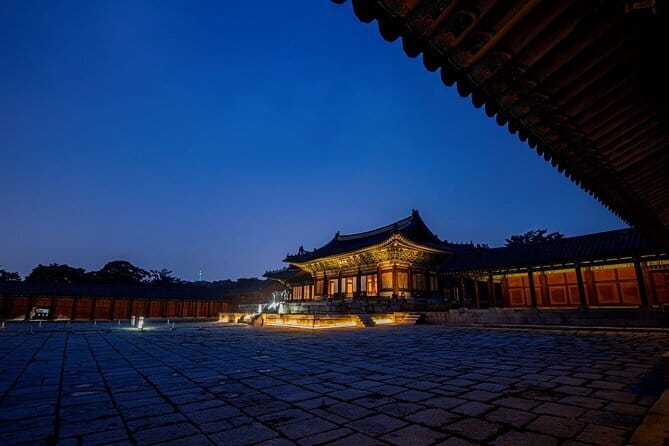
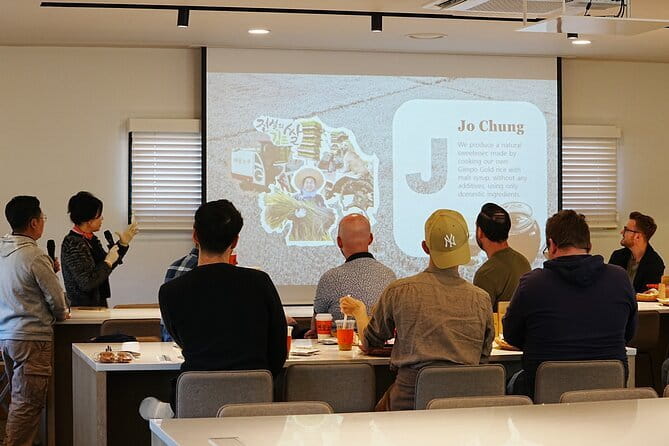
After the border-view stop, the day shifts gears into hands-on food culture. The second stop is in Gyeonggi-do at a farm-and-factory setting associated with rice farming heritage.
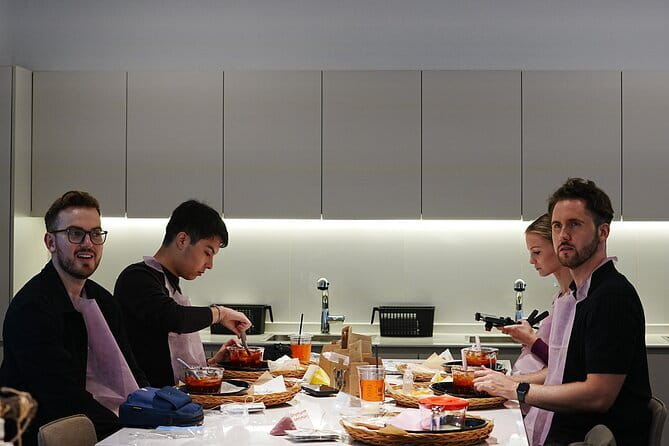
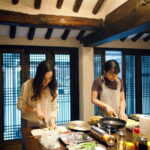
The highlight here is the gochujang-making workshop. You get to craft your own batch of Korean red chili paste and take home a 200g jar. That’s one of those details that turns a tour into a memory you can taste later. You’re not buying a souvenir. You’re producing one.
This is also described as a family-operated place spanning three generations. That’s important because gochujang isn’t just a product—it’s a craft that people keep doing because it matters in everyday Korean cooking. When someone has carried a process through multiple generations, you’re less likely to feel like you’re watching a staged demo.
The workshop is built into a longer rural experience too. The site includes cultural exhibits and a farming museum, with hands-on farming activities and seasonal festivals described as part of what you may encounter. The exact balance can vary day to day, but the overall vibe is learning through doing.
And yes, you’ll probably smell chili paste on your hands after. It’s the kind of smell that makes you understand why Korean food tastes the way it does.
Bibimbap Lunch: What You’re Eating, and Why It’s Not Just Fuel
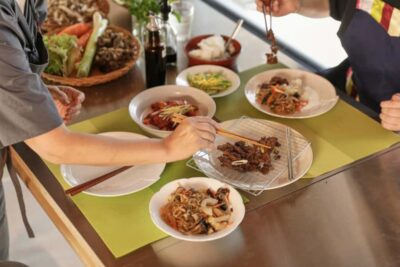
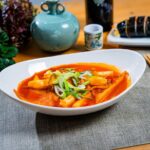
Lunch is traditional bibimbap, and the tour description is specific about the ingredient approach: organic and locally-sourced ingredients. The goal here is to give you a real Korean meal, rather than a generic set menu you could get anywhere.
Bibimbap is one of Korea’s best “gateway” dishes because it’s customizable and visual. You’ll see different components—rice, vegetables, toppings, and the gochujang connection—working together in one bowl. Even if you don’t usually order bibimbap at home, this is a good day to try it because the gochujang workshop sets up the flavors you’ll recognize at lunch.
One practical thing: if you have dietary restrictions, you should notify the company in advance. The tour information explicitly says the lunch includes bibimbap, so it’s not a blank menu with easy substitutions guaranteed at the last minute.
Lunch also gives you a mental reset. After the DMZ viewing, your brain tends to stay in “serious mode.” Eating together with a guide explaining what you’re seeing and tasting helps bring the day back into balance.
You can also read our reviews of more tours and experiences in Seoul


Hand-Drip Coffee or Tea: The Calm Finish After the Border
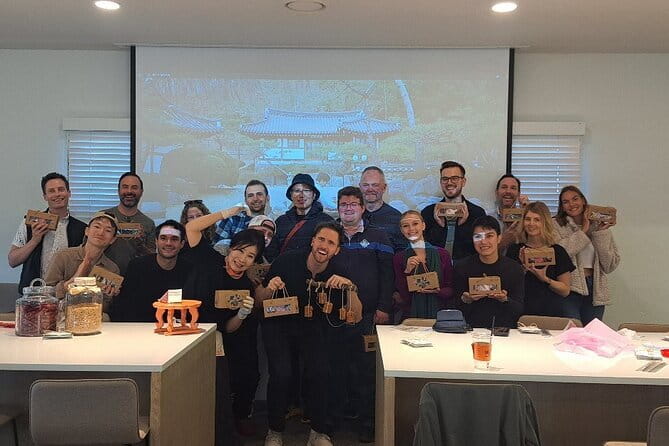
The experience adds a hand-drip coffee option as a final touch. You grind and brew premium beans, and it’s presented as the relaxing finish to the day.
This is a smart pairing. You’ve spent time staring at geopolitical division. Then you slow down over something ritual-like—measuring, pouring, and waiting for the coffee to finish the way it should.
Also, you don’t have to be a coffee-only person. The tour information states coffee and/or tea, so if you don’t want caffeine, tea is on the table.
In practical terms, this part helps if your group includes different preferences. A DMZ day can be intense. A slower drink at the end keeps it from feeling like nonstop intensity.
Guides Matter Here: What the Best Ones Actually Do
This tour is a “place plus explanation” day. A good guide turns a viewpoint and a workshop into a coherent story.
In the feedback for this experience, guides like Xander, Chuck, and Jun are praised for being friendly and for explaining the history in a way that connects to current political situations. That’s the key. You don’t want only facts. You want context you can carry after you leave.
I’d also pay attention to how your guide handles pacing. Aegibong is about looking and absorbing, while the workshop is about hands and attention. If your guide keeps both moving without rushing, the whole day feels smoother—and that’s usually what separates a “good tour” from a memorable one.
Price and Value: Is $219 Per Person Actually Fair?
At $219 per person, this day is not a budget add-on. But it’s also not paying for empty time.
You’re paying for:
- Private transportation with air-conditioned vehicle support
- Pickup and drop-off
- Admission fees included
- A full lunch (bibimbap)
- A hands-on gochujang workshop experience where you make and take home a 200g jar
- An optional hand-drip coffee or tea experience
When I look at value like this, the price makes sense for travelers who want more than a photo stop. The gochujang jar is especially important. It’s a real, tangible souvenir that you’ll likely use at home.
Also, this is a tour that’s usually booked about 41 days in advance on average, which often means it fills up and the calendar moves. If you want a specific date, plan earlier rather than later.
Who Should Book This Aegibong and Korean Cooking Day
This is a strong fit if:
- You want a DMZ experience that focuses on a specific viewing point rather than a rushed loop
- You like Korean food enough to want the “make it yourself” version
- You prefer a private guide who can answer questions in English
- You’re comfortable with a moderate walking day and a longer travel segment
It’s also a good choice for couples and small groups who don’t want to squeeze into crowded tours. The private format keeps the day more personal, especially at Aegibong where your time at the view matters.
If you’re traveling with kids, it could work if they can handle the serious tone and the walking. But if your group is very young and needs lots of breaks, I’d consider whether you want a long, structured day in a military-area context.
Should You Book This Tour?
If you want one Seoul day that mixes border reality with hands-on cooking, I think you should book this. Aegibong Peace Eco Park gives you the kind of view you can’t recreate with a map and a hotel window. Then the gochujang workshop makes the day feel productive and delicious, and bibimbap turns it into a full cultural meal.
Just book with eyes open: this isn’t a guaranteed “always open” experience. Military access and weather can affect the schedule, so keep flexibility in your plans.
If you’re the type of traveler who loves learning why things are the way they are, and you also want a practical souvenir you can use later, this combination is a great match.
FAQ
What does the tour cost?
The private tour is $219.00 per person.
How long is the experience?
It runs for about 6 hours 30 minutes.
Is pickup and drop-off included?
Yes. The tour includes pickup offered and drop-off service using an air-conditioned vehicle.
What stops are included in the itinerary?
You visit Aegibong Peace Eco Park, then you go to a rural Gyeonggi-do site for a gochujang-making workshop and bibimbap lunch.
Is lunch included?
Yes. Lunch is included as authentic traditional bibimbap.
Is hand-drip coffee included?
Hand-drip coffee (coffee and/or tea) is optional.
What should I do if I have dietary restrictions?
Notify the company in advance. The tour information says bibimbap is included, and restrictions should be shared beforehand.
Can this tour be canceled?
Yes. The tour can be canceled due to unpredictable reasons since Aegibong is a military restricted area, and it also depends on good weather.
Is the tour private?
Yes. Only your group participates, with private vehicle transport and a guide.
![[ Full Day ] Nami Island & Petit France From Seoul - Pickup at 8:00 AM: Where Your Day Begins in Seoul](https://2.letsgoseoul.com/wp-content/uploads/full-day-nami-island-petit-france-from-seoul-400x267.jpg)