REVIEW · SEOUL
Seoul: Bukchon Village, Gyeongbokgung, Gwangjang Market
Book on GetYourGuide →Operated by VIP Travel · Bookable on GetYourGuide
Seoul can feel huge at first. This half-day tour threads Bukchon Hanok Village, Gyeongbokgung’s royal ceremony, and a food stop through one tight route. I like that it gives you both the photo moments and the “why it matters” context, and I especially like how the day ends at Gwangjang Market when hunger hits. One thing to consider: you’ll walk and stand for parts of the program, so plan for comfortable shoes and a brisk pace.
The route is also smart for timing. You start near Myeongdong (easy access), then you get a palace-and-village combo that helps you understand how old Seoul connects to modern Seoul. On Tuesdays, the palace plan changes to Changdeokgung and you’ll add Insadong, which is great if you want crafts and tea shops instead of the Gyeongbokgung ceremony.
If you’re hoping for a slow, sit-down experience with lots of free time, this probably isn’t it. You get guided stops, photo pauses, and a clear flow—good for first timers, less ideal if you want to wander solo for hours.
In This Review
- Key highlights you’ll actually feel during this tour
- A fast half-day route through Seoul’s old-and-new contrast
- Bukchon Hanok Village: hanok alleys and picture-perfect rooftop lines
- Gyeongbokgung Palace: gates, courtyards, and the changing ceremony moment
- Tuesday plan: Changdeokgung palace calm and Insadong’s tea-and-craft energy
- Blue House drive-by: what you can see from the road
- Cheongha Korean Ginseng Museum: tea break plus a culture lesson
- Gwangjang Market: street food you can taste, not just look at
- Price and value: $30 for a three-and-a-half-hour culture sprint
- Who should book this tour (and who should slow down)
- Small planning tips that make the day smoother
- Should you book this Seoul tour?
- FAQ
- Where does the tour start and end?
- How long is the tour?
- What happens on Tuesdays?
- What is included at the Ginseng Center?
- What food stops are included at Gwangjang Market?
- Is the tour guided in English?
- What should I bring?
Key highlights you’ll actually feel during this tour
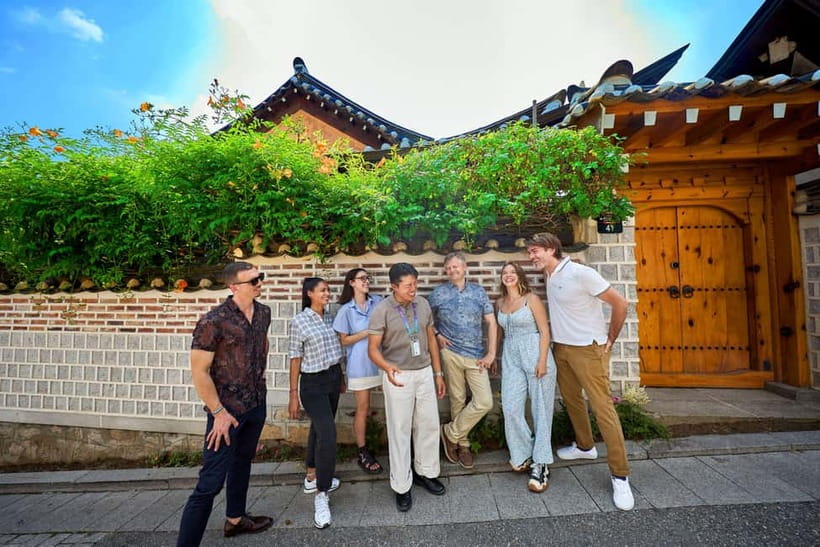
- Bukchon Hanok Village: narrow lanes, tiled rooftops, and that classic old-Seoul contrast with the skyline
- Royal Guard Changing Ceremony at Gyeongbokgung: colorful uniforms, ceremonial instruments, and precise timing
- Tuesday swap to Changdeokgung + Insadong: UNESCO palace calm plus a craft-and-tea neighborhood detour
- Cheongha Korean Ginseng Museum: a short cultural talk paired with traditional herbal tea and optional shopping
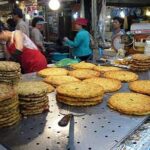
- Gwangjang Market food tastings: bindaetteok, mayak gimbap, and tteokbokki in one lively market area
A fast half-day route through Seoul’s old-and-new contrast
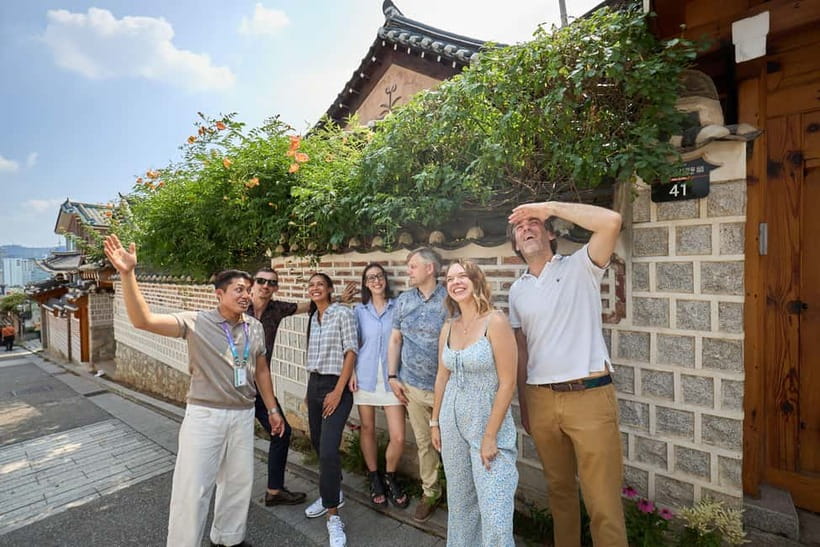
This is a 210-minute, guided “see the classics and understand them” tour. At about three and a half hours, you’re not stuck in transit all day, and you still get multiple distinct neighborhoods: a heritage village, a grand palace, a cultural museum stop, and a major street-food market.
What I like most is the sequencing. Bukchon first helps you picture the residential side of old Seoul, then the palaces show power and ceremony, and finally the market gives you everyday Seoul energy. The tour also mixes walking with short bus moves, so you’re not spending the whole time on your feet.
One practical detail: the day starts at Myeongdong Subway Station Exit 8 and ends back there. That matters because Myeongdong is a convenient base for shops, transit, and later meals.
You can also read our reviews of more shopping tours in Seoul
Bukchon Hanok Village: hanok alleys and picture-perfect rooftop lines
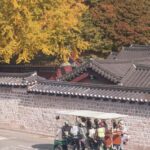
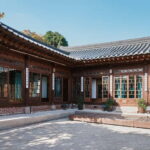
Bukchon Hanok Village sits between major palace areas, which is why it works so well in a short tour. You’ll walk through tight lanes lined with hanok houses—traditional Korean homes—with tiled roofs, courtyards, and quiet streets that feel miles away from neon.
This is one of those stops where your camera will keep getting used. You’ll get photo stops and guided context as you move through the neighborhood, and it’s a place where the mix of old architecture and modern city glimpses actually looks good instead of messy. If you like street-level details—doorways, rooflines, and the way lanes bend around buildings—this is your kind of stop.
The only drawback is simple: narrow streets mean you might brush past other groups, especially around the more photographed lanes. Go slow on your photos so you don’t trip or get crowded out.
Gyeongbokgung Palace: gates, courtyards, and the changing ceremony moment
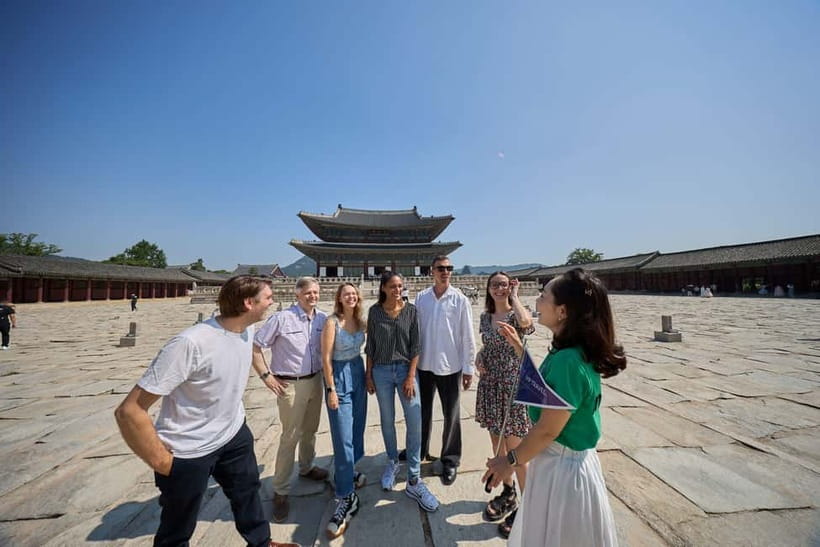
Gyeongbokgung is Seoul’s best-known grand palace, originally built in 1395. In your visit, you’ll do a guided palace walk with time to see gates, courtyards, and calm spots like lotus ponds.
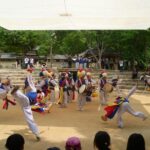
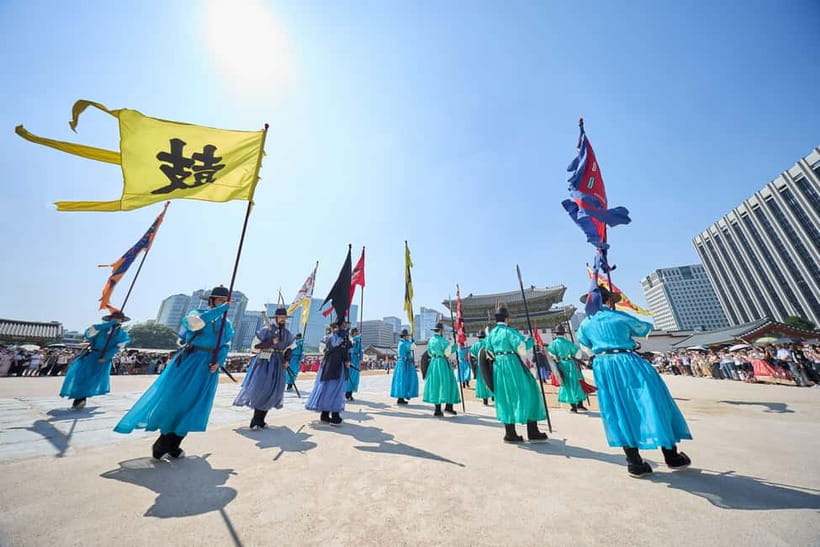
Then comes the highlight many people plan their day around: the Royal Guard Changing Ceremony. This reenacts the guard-changing rituals from the Joseon Dynasty, with traditional uniforms, ceremonial instruments, and tight choreography. The value here isn’t just spectacle—it’s that the palace suddenly feels alive. You’re not only looking at buildings; you’re seeing ritual, order, and symbolism made visible.
A useful mindset: arrive ready to stand and watch. The ceremony is time-based, and you’ll get the most out of it if you keep your phone/camera ready and your eyes up for the sequence of movements.
If you want extra context, pay attention to how your guide explains Joseon-era meaning. In past groups, guides such as Alice have shared clear Joseon Dynasty details, which can make the costumes and instruments click faster.
Tuesday plan: Changdeokgung palace calm and Insadong’s tea-and-craft energy
Here’s a key point for planning: on Tuesdays, Gyeongbokgung and the Royal Guard Changing Ceremony are closed. Instead, the tour shifts to Changdeokgung Palace and adds Insadong.
Changdeokgung is a UNESCO World Heritage site, famous for its harmonious architecture and its landscaped Secret Garden area. Even without going deep into the garden details, the palace visit tends to feel calmer and more nature-integrated than the big, monumental vibe you get at Gyeongbokgung. It’s a good choice if you like architecture that feels balanced with its surroundings.
Insadong is the other half of the Tuesday change. It’s known for traditional tea houses, antique shops, art galleries, and craft stores. You’ll likely get some free time for shopping and culture-hunting, which is perfect if you want small, meaningful souvenirs instead of just postcards. And yes, it’s also a good place for a quick tea break if you want to slow down after the palace walking.
This Tuesday switch can be a real win. You’re trading one type of palace drama for another kind of calm, and you’re adding a neighborhood that’s easier to explore with your own curiosity.
Blue House drive-by: what you can see from the road
Between the palace time and the museum stop, you’ll drive past the Blue House (Cheongwadae) in the vehicle. You don’t get a deep visit here—just a pass-by view—so don’t count on roaming or long photos from up close.
But it’s still worth it for orientation. Seeing it from the road helps connect the palace area to modern Seoul’s political center. It also gives your legs a rest before the ginseng museum segment.
You can also read our reviews of more tours and experiences in Seoul
Cheongha Korean Ginseng Museum: tea break plus a culture lesson
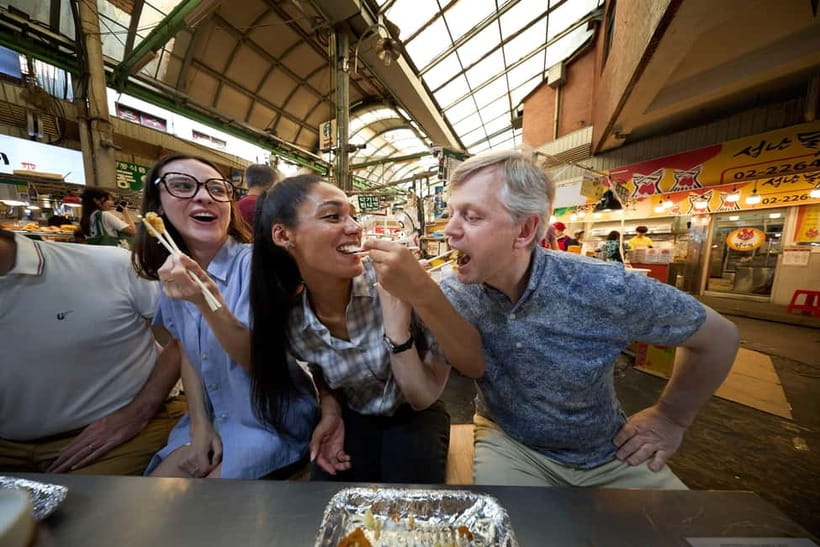
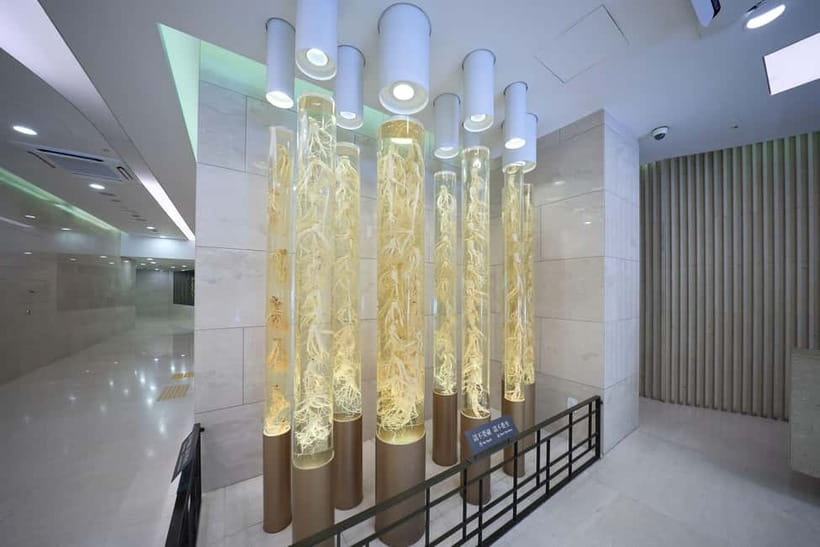
The tour includes a stop at the Cheongha Korean Ginseng Museum. You’ll get a guided visit with exhibits about ginseng’s role in Korean wellness traditions—its history, cultural importance, and the kind of benefits people associate with it. Then you’ll take a break with a cup of traditional Korean herbal tea.
I like this stop because it’s practical and sensory. Even if you don’t buy anything, tasting the tea and learning the cultural context takes you beyond “tourist facts” into something you can actually experience.
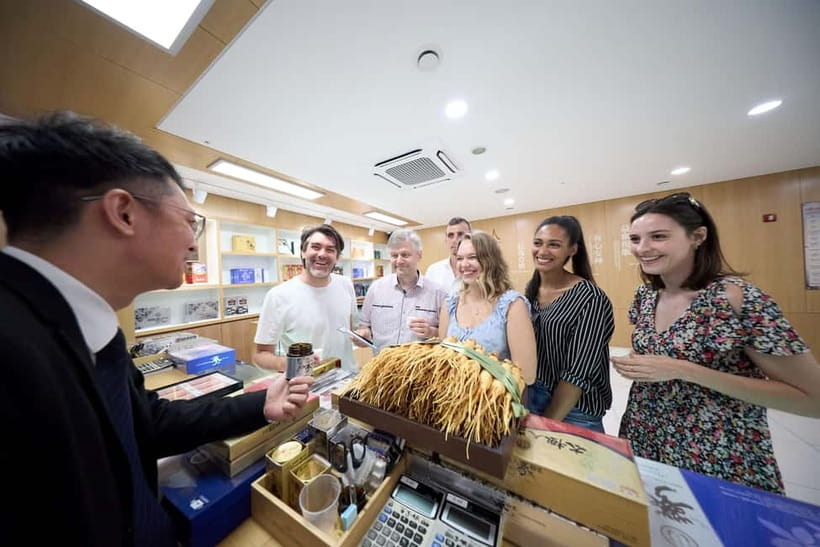
There’s also time to browse or purchase ginseng products, but the important part is that there’s no obligation to buy. In one guide-led experience with Eva, the ginseng talk included history and the optional aspect didn’t feel pushy, which is what you want from a museum stop.
Bring cash if you want to buy something. If you don’t, you can still treat this as a short rest stop and a cultural palate cleanser before heading to the most food-forward part of the day.
Gwangjang Market: street food you can taste, not just look at
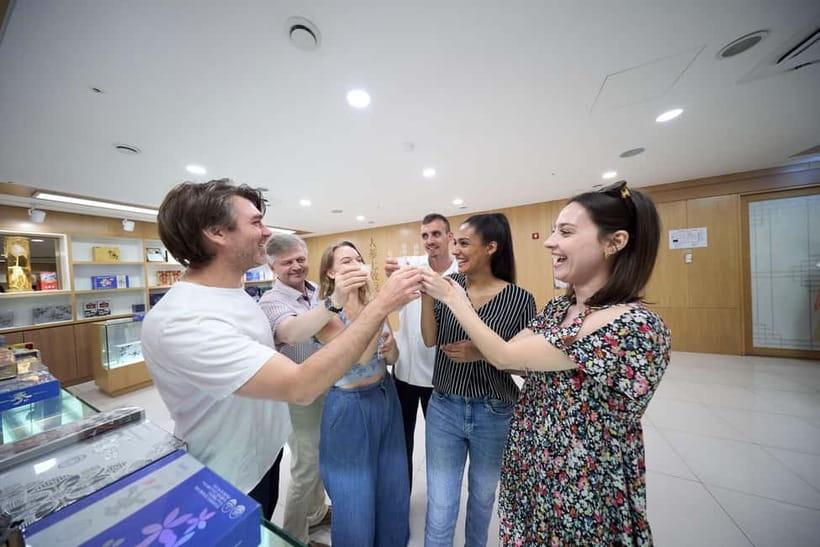
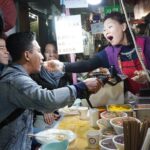
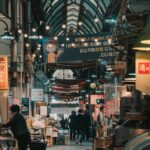
You finish at Gwangjang Market, one of Seoul’s oldest and best-loved traditional markets. This is where the tour turns into a food mission, with photo stops, guided context, and free time for wandering.
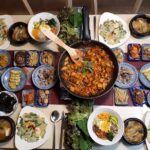
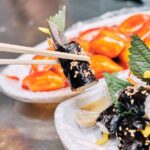
The market is famous for street food, and this tour specifically points you toward favorites like bindaetteok (mung bean pancakes), mayak gimbap (bite-size addictive seaweed rice rolls), and tteokbokki (spicy rice cakes). You’ll also have time for food tasting and a food market visit, which is the easiest way to handle a place this dense: eat first, then browse.
What makes this ending work is energy. Palaces and villages can be visually intense, but the market resets your day with noise, steam from cooking stalls, and constant small choices. You’ll feel like you’re experiencing daily Seoul, not only royal Seoul.
One heads-up: markets are active and a little chaotic by design. Keep your pace casual, watch where you step, and don’t try to “win” at photos. The best shots often happen when you’re not blocking a vendor line.
Price and value: $30 for a three-and-a-half-hour culture sprint
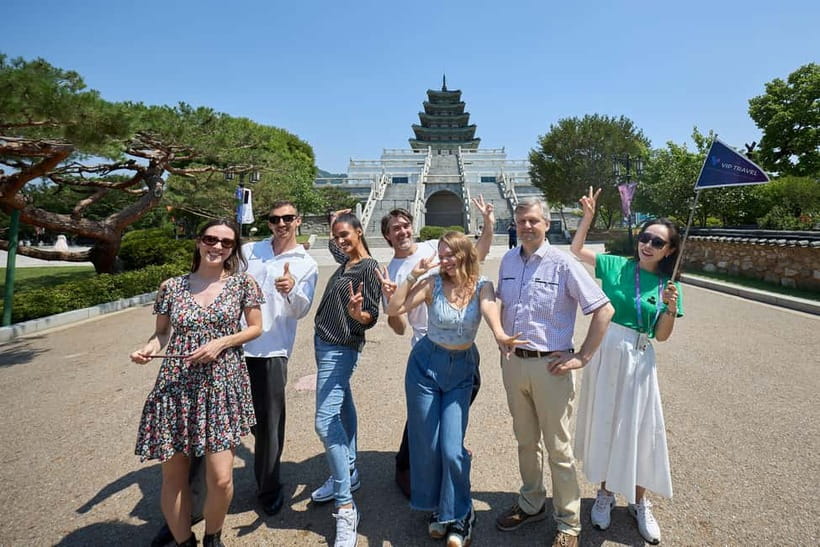
At $30 per person for about 210 minutes, this tour is priced like a true “half-day plan,” not a full-day commitment. The value comes from the combination of paid entry/time elements that would otherwise require juggling separate tickets, transportation, and schedule planning.
You’re getting:
- a guided walking experience in Bukchon
- palace time with a scripted event at Gyeongbokgung (or the Tuesday alternative)
- a museum visit with tea
- a major food market stop with tasting
Could you piece it together yourself? Sure, and you might even save money. But the real cost of DIY is time—coordination, transit, and figuring out what’s worth prioritizing in limited hours. This tour is built for people who want to get bearings fast and see the core highlights without turning their day into a spreadsheet.
Who should book this tour (and who should slow down)
This fits best if you’re:
- visiting Seoul for the first time and want a structured introduction
- short on time but still want classic places plus a local market
- curious about Korean culture beyond monuments, including ginseng and everyday street food
- the type who enjoys guided context, not just wandering
It’s less ideal if you:
- need lots of downtime or longer free-exploration windows
- dislike standing for ceremony moments
- want fewer stops and a deeper dive into only one area
If you’re on a tight schedule (like a layover), this is the kind of route that helps you claim real memories instead of “we walked around a bit.” Some groups have even used it for very short stays, because it hits multiple districts without dragging.
Small planning tips that make the day smoother
- Wear comfortable shoes. You’ll walk through Bukchon and within palace grounds, and you’ll be on your feet at the market.
- Bring cash if you want ginseng products or market snacks beyond tasting.
- Plan to move at a guided pace. This is a timed route with photo stops.
- If you’re coming from the airport, give yourself at least 2.5 hours for trains/subway so you don’t stress over the morning start time.
For groups of five or more, there’s also mention of possible hotel pickup within Seoul city upon request. If that’s your situation, ask when you book.
Should you book this Seoul tour?
I’d book it if you want a compact Seoul “greatest hits” route that still feels human and practical. The mix is the point: Bukchon Village for atmosphere, palace ceremony or Changdeokgung for cultural weight, a ginseng tea break that adds context, and Gwangjang Market for food that you can taste right away.
I wouldn’t book it if you’re chasing a slow travel day, or if you hate crowds and standing in scheduled moments. But if you like efficient touring with real local payoffs, this is a strong choice.
If you can, pick your day based on the palace swap: choose a Tuesday if you’d rather have Changdeokgung + Insadong’s crafts and tea vibe.
FAQ
Where does the tour start and end?
It starts at Myeongdong Subway Station Exit 8 and ends at Myeongdong Station for all participants.
How long is the tour?
The total duration is 210 minutes (about 3.5 hours).
What happens on Tuesdays?
On Tuesdays, Gyeongbokgung Palace and the Royal Guard Changing Ceremony are closed. The tour visits Changdeokgung Palace instead, and it also includes Insadong.
What is included at the Ginseng Center?
You visit the Cheongha Korean Ginseng Museum, take a break with a cup of traditional Korean herbal tea, and get a guided explanation about ginseng’s history and cultural importance. You can browse or shop, but buying is not required.
What food stops are included at Gwangjang Market?
Gwangjang Market is included with photo stop, guided tour, free time, and food tasting. The market is known for street foods like bindaetteok, mayak gimbap, and tteokbokki.
Is the tour guided in English?
Yes, the tour includes a live English-speaking guide.
What should I bring?
Bring comfortable shoes, a camera, and cash (personal expenses and optional purchases may come up).