REVIEW · SEOUL
Seoul: Korean Cooking Class with Local Grocery Shopping
Book on GetYourGuide →Operated by Seoul Foodventure · Bookable on GetYourGuide
Three Korean classics, one local market stop. I love the Mangwon Market shopping part because it feels like you are buying ingredients for a real home meal, not for a photo. I also like that you learn the core dishes—bulgogi and gyeran-jjim—with clear English guidance from Phoebe and Rachel. The main drawback to plan around is that there is some walking in the market, so comfortable shoes matter.
This class is built for all skill levels in a small group capped at 8. After you cook, you roll kimbap and can take leftovers to the nearby Han River for a low-stress picnic.
In This Review
- Key moments you will care about
- Mangwon Market: shop like Seoul locals, not like a tour group
- Cooking studio setup: small group teaching that keeps you from freezing
- Bulgogi and gyeran-jjim: a Korean home meal you can actually repeat
- Bulgogi: marinated beef with that familiar Korean sweet-savory pull
- Gyeran-jjim: fluffy steamed egg comfort food
- Eating your meal: lunch or dinner is built in
- Kimbap rolling and the Han River picnic plan
- Price and value: why $89 feels fair for a 150-minute food day
- Who this class suits best (and who should think twice)
- Should you book Seoul Foodventure’s cooking class?
- FAQ
- Where is the meeting point?
- How long is the class?
- Is the instructor English-speaking?
- How many people are in the group?
- What dishes will I learn to make?
- Is the market tour always included?
- What if I have allergies or dietary restrictions?
- What does the price include?
- Can I cancel for a refund?
Key moments you will care about
- Mangwon Market over tourist crowds: more locals shopping day-to-day
- Three dishes, not one: bulgogi, gyeran-jjim, and kimbap
- English instruction that supports beginners: everyone can keep up
- Small group of 8: more back-and-forth while you cook
- A complete meal and drinks: lunch or dinner is included
- Use leftovers your way: bring kimbap to the Han River picnic
Mangwon Market: shop like Seoul locals, not like a tour group
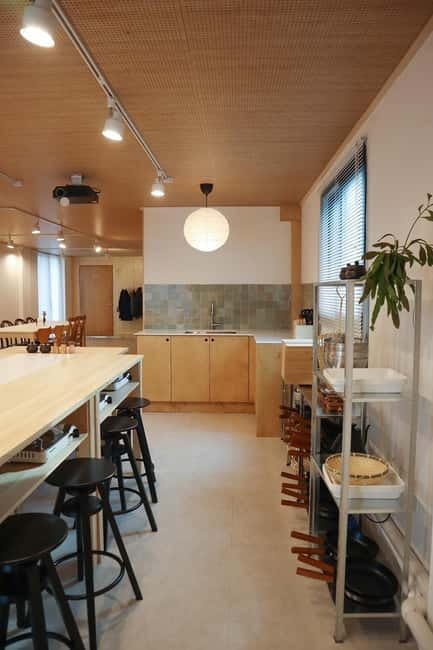
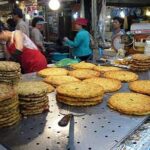
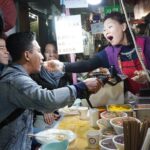
The experience starts near Mangwon Station Exit 2, with the studio close to both the market area and the food streets around Hongdae. If you want Korea to feel lived-in, this is the right angle. Mangwon Market has more everyday shoppers than the more famous Gwangjang Market, and you feel that difference the moment you walk in.
You get a guided market tour where you pick ingredients used for your cooking session. That part matters because it turns the class from cookbook-to-stomach into real decision-making. You are learning what to look for and how Koreans shop for ingredients that will show up in lunch or dinner.
One detail that shapes your planning: the market tour is only available for morning classes. If your Seoul days are already packed, check your timing before you book. Morning also tends to feel more relaxed for market wandering, and it lines up well with the full 150-minute session.
Also expect walking inside and around the market. That sounds minor, but it changes how you enjoy the day. Wear supportive shoes, because you will be moving more than you might if you only thought about the cooking part.
A neat plus from past participants: the market can surprise you with products you do not see on restaurant menus. One favorite was a rice drink people found during the visit and kept thinking about later in their trip. Even if you do not plan to buy extra snacks, the market tour helps you get a feel for what locals actually reach for.
You can also read our reviews of more shopping tours in Seoul
Cooking studio setup: small group teaching that keeps you from freezing
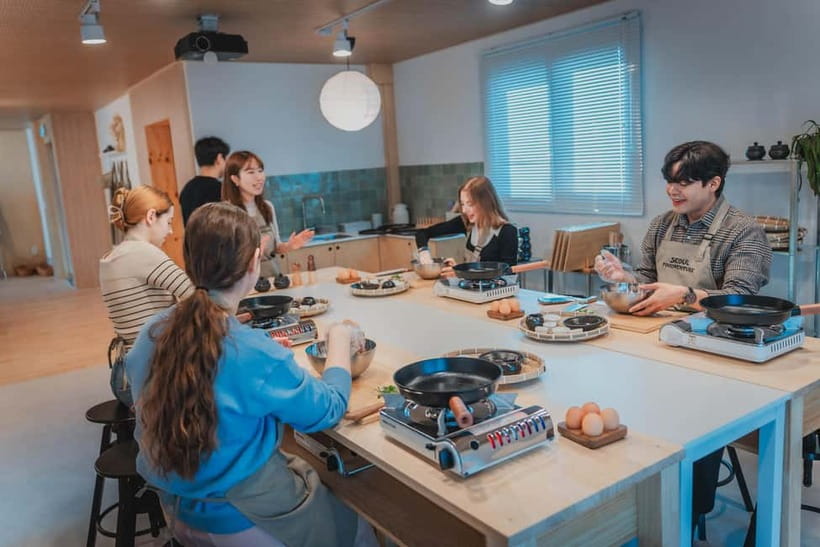
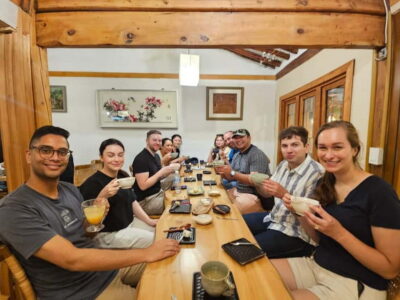
Once you step into the studio, the pace shifts from street-level browsing to hands-on cooking. The group is limited to 8 participants, which is a big deal when you are learning knife-free or low-stress prep tasks. You get enough attention from the instructor team without feeling like you are watching from the back row.
The class is designed so it works for everyone, including people who do not cook much at home. That design shows up in how the lesson is structured: you are not thrown into complicated steps and left to guess. Instead, you get guidance in English, and you can ask questions as you go.
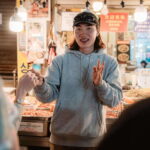
The instructors—Phoebe and Rachel—are described as warm and supportive, and that matters more than you might think. In a cooking class, confidence is half the job. When the teaching feels friendly and the information is easy to follow, you focus on learning flavors and technique rather than panicking about timing.
You will also receive a recipe booklet. That is practical value. It means you can recreate bulgogi, gyeran-jjim, and kimbap after you get home, without relying on memory or a shaky phone note.
Finally, the studio includes drinks and you eat what you make. That turns the session into a full meal plan, not just a class where you leave hungry.
Bulgogi and gyeran-jjim: a Korean home meal you can actually repeat
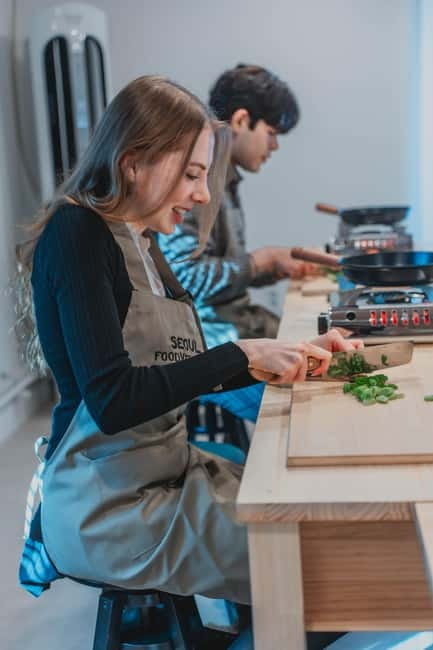
The cooking portion centers on three iconic dishes, but bulgogi and gyeran-jjim are the heart of the home-style lunch or dinner. You are not just learning what these dishes are called. You are making them.
Bulgogi: marinated beef with that familiar Korean sweet-savory pull
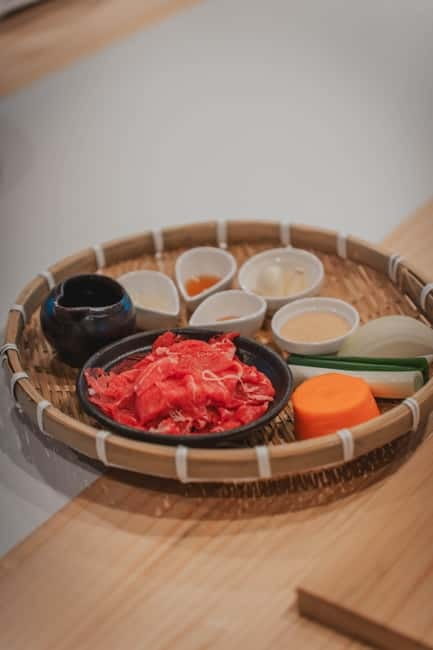
Bulgogi is marinated beef, a go-to home-cooked dish for many Korean households. In practical terms, it teaches you the concept of building flavor before heat ever hits. Even if you have never worked with Korean seasonings before, the class format is set up so you can follow along step-by-step.
What you take away is not only the final taste. You also learn how bulgogi fits into a meal rhythm: it is a main dish that pairs with other comfort food, including the steamed egg course you make next.
Gyeran-jjim: fluffy steamed egg comfort food
Gyeran-jjim is steamed egg, known for being light and fluffy comfort food. The cooking lesson here is more technique than brute strength. Steaming is all about control, and the class structure makes it approachable.
This is one of those dishes that feels deceptively simple once you understand the goal. The value of learning it in a class is that you can ask questions as you cook instead of experimenting at home and hoping the texture lands right.
You can also read our reviews of more cooking classes in Seoul
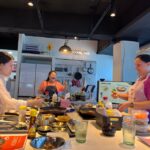
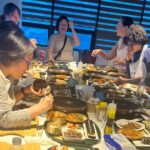
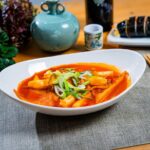
Eating your meal: lunch or dinner is built in
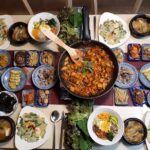
When you finish these dishes together, the meal is included as lunch or dinner. That detail matters because it removes guesswork. You do not need to plan a separate restaurant stop afterward, and you can enjoy what you made while it is at its best.
It also helps you understand how Koreans balance a meal. Bulgogi brings savory richness. Gyeran-jjim adds softness and mild comfort. Together, they feel like a complete home plate, not just a couple of courses.
If you have dietary restrictions, tell the organizers in advance. The class asks you to inform them about allergies and restrictions, which is the correct move for a cooking experience where ingredients matter.
Kimbap rolling and the Han River picnic plan
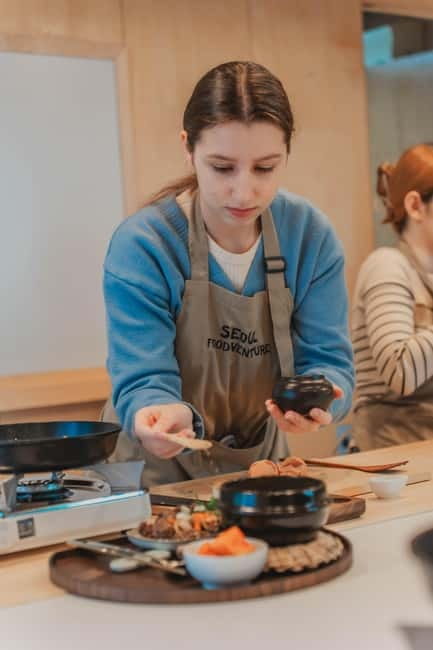
After the main dishes, you roll kimbap, the ultimate Korean picnic snack. Kimbap is a great learning target because it is hands-on and visual. You can see progress as you roll, and you end up with something portable.
The session includes the rolling part, so you do not just taste kimbap. You learn how it comes together, and that makes it more likely you will try again later at home.
Then comes a smart, low-effort “what to do next” option. If you have leftover kimbap, you can take it to the nearby Han River and picnic like true locals—spread out a mat, relax, and eat in the sun. It turns your class into a full half-day memory, not just a cooking lesson that ends when you step outside.
One practical note: this works best if you plan a simple route after the class. You will already be in the Mapo area, so add a Han River break to your day and let the food travel with you.
Price and value: why $89 feels fair for a 150-minute food day
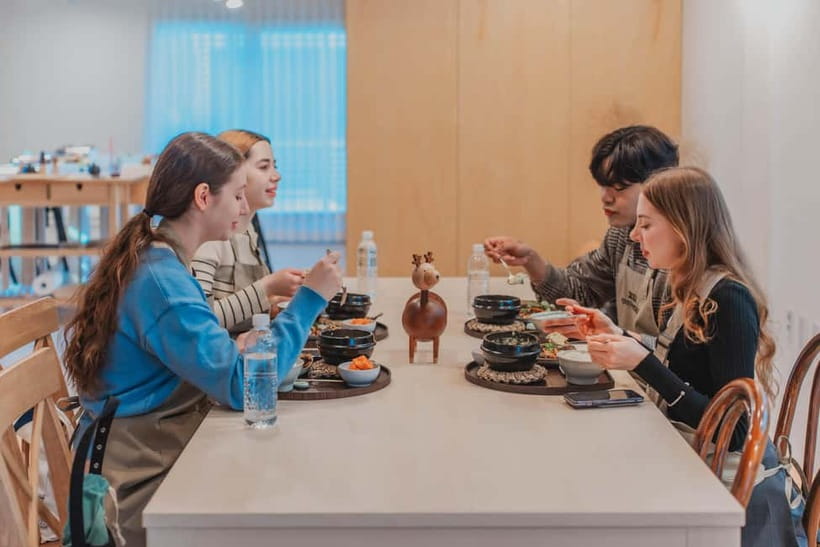
At $89 per person for 150 minutes, it is not the cheapest activity in Seoul. But it is also not a “you watch, we feed you” situation. This class includes:
- a market tour
- the cooking class itself
- the ingredients for what you make
- your meal (lunch or dinner)
- a recipe booklet
- drinks
That bundle is the value. Market experiences alone can cost money, and you are not just browsing—you are shopping for your meal. Then the cooking class includes ingredients so you are not paying extra for supplies. You also leave with a recipe booklet, which extends the value beyond the day you take the class.
The small group size (up to 8) supports the price too. You are more likely to get real feedback and not just generic instructions. And because it is designed for all skill levels, you are less likely to feel lost or waste money on something too advanced.
The main “value consideration” is timing. Since the market tour is only for morning classes, you might have fewer schedule options than you want. If your visit plan only allows afternoons, you could miss this exact format.
Who this class suits best (and who should think twice)
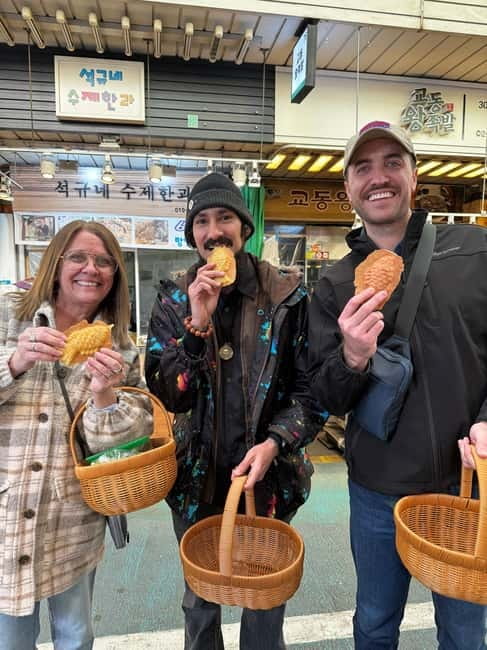
This experience is a strong fit if you want a real taste of everyday Korean food culture. I like it for people who want two things at once: market shopping and hands-on cooking. You get both, and you get them in a format that does not require you to already know Korean cuisine.
It is also a good match for:
- first-timers who want an easy entry point to Korean dishes
- solo travelers who want a small group feel without the pressure of a big tour
- couples looking for a shared activity that ends in a meal
- anyone who learns better by doing, not by reading
- wheelchair users, since the activity is marked as wheelchair accessible
Think twice if:
- you dislike walking through markets (there is some movement involved)
- you are only available for non-morning schedules, since the market tour is for morning classes
- you have allergies and have not planned to notify the organizers in advance
Should you book Seoul Foodventure’s cooking class?
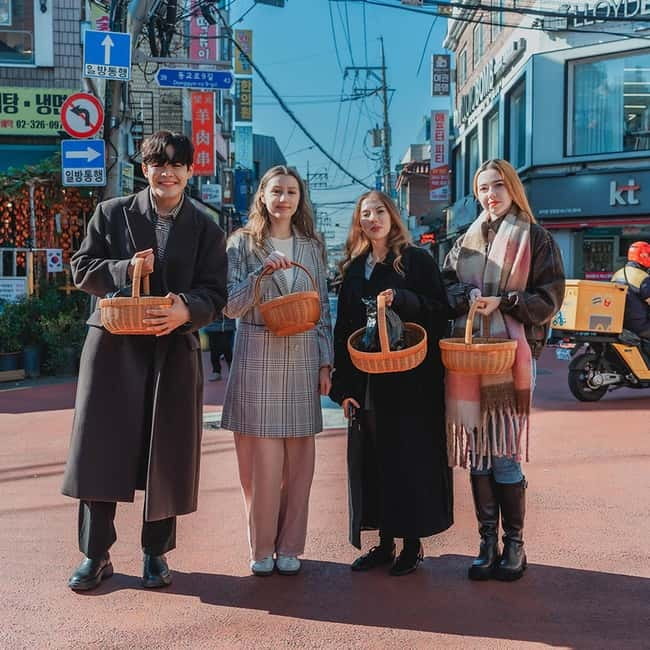
Yes, I think you should book it if your ideal Seoul day includes fresh market shopping and a cooking session where you actually make three dishes—bulgogi, gyeran-jjim, and kimbap—with English support. The $89 price becomes easier to justify when you factor in the included ingredients, meal, drinks, and recipe booklet.
Skip it only if your schedule does not allow for morning classes or if market walking is a deal-breaker for you. Otherwise, this is the kind of experience that gives you both skills and a story: shopping with locals in Mangwon, cooking a proper Korean home meal, and carrying kimbap toward the Han River for an easy picnic.
FAQ
Where is the meeting point?
You meet at the studio: 4th floor, 8, World Cup-ro 13-gil, Mapo-gu, Seoul. You can find it by searching Seoul Foodventure on Google or Naver.
How long is the class?
The duration is 150 minutes.
Is the instructor English-speaking?
Yes, the instructor teaches in English.
How many people are in the group?
It is a small group limited to 8 participants.
What dishes will I learn to make?
You will prepare three iconic Korean dishes: bulgogi, gyeran-jjim, and kimbap.
Is the market tour always included?
The market tour is only available for morning classes.
What if I have allergies or dietary restrictions?
You should inform the team of any dietary restrictions or allergies in advance.
What does the price include?
It includes the market tour, cooking class, ingredients, lunch or dinner, recipe booklet, and drinks.
Can I cancel for a refund?
Free cancellation is available up to 24 hours in advance for a full refund.