REVIEW · SEOUL
Seoul : Taste of Korea, Authentic Home-Style Cooking Class
Book on Viator →Operated by Hansik Korean Cooking Class · Bookable on Viator
A Korean cooking class beats watching from the sidelines. This hands-on Hansik experience puts you at the stove with dedicated stations and a patient instructor team, so you learn real home-style technique instead of just getting a food tour. You’ll also eat like a Korean family, with a full-course meal plus drinks and sweets.
What I especially like is how structured the class feels: you make dishes from scratch step by step, with guidance when you need it. The other big win is the food payoff—your session includes four classic dishes (not just snacks), and the portions are generous enough that people often bring leftovers.
One consideration: it’s a 3-hour kitchen schedule, so come with a solid appetite and plan to eat what you cook. If you’re picky about spicy flavors, tell your host early so they can adjust dishes like tteokbokki to your preference.
In This Review
- Key highlights you’ll care about
- Hansik cooking in Seoul: the home-style focus you’re really paying for
- Where you meet in Jongno: easy to find, designed for a smooth start
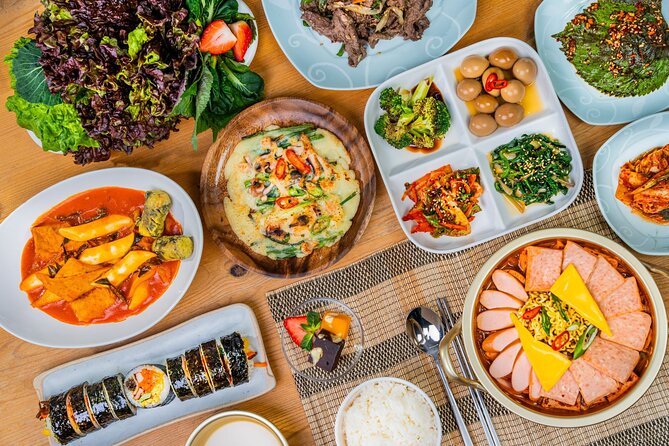
- Your menu: gimbap, tteokbokki, haemulpajeon, and budaejjigae
- Gimbap (Korean rice rolls)
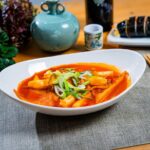
- Tteokbokki (spicy rice cakes with gochujang)
- Haemulpajeon (seafood scallion pancake)
- Budaejjigae (Korean army stew)
- How the class works in practice: you cook, you ask, you repeat
- The meal after you cook: Sikhye, Makgeolli, tea, snacks, dessert
- Drinks, age limits, and dietary adjustments that matter
- Price and value: $89 for a real meal plus four dishes
- Who this class is best for (and who should choose another plan)
- Planning notes: timing, weather, and how to not overbook your day
- Should you book this Hansik cooking class?
- FAQ
- How long is the Seoul Taste of Korea home-style cooking class?
- What dishes will I learn to cook?
- Does the class include food to eat, or only cooking?
- Is there alcohol in the class?
- How big is the group?
- Where do I meet for the class?
- Do I get recipes after the class?
- What if I need to change plans at the last minute?
Key highlights you’ll care about
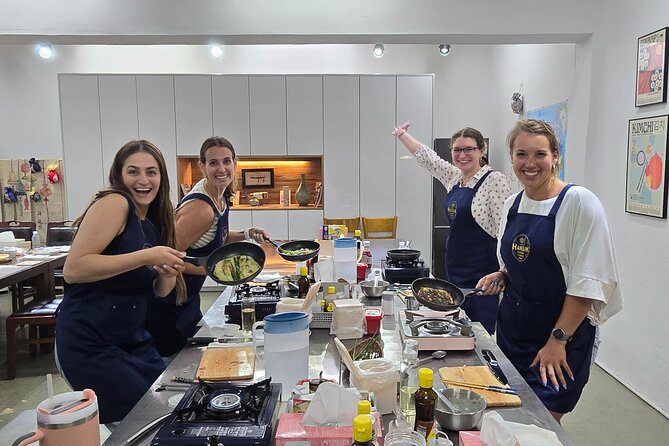
- Small group size (max 10): more personal help while you cook, not a crowd situation
- Four dishes, hands-on: gimbap, tteokbokki, haemulpajeon, and budaejjigae all in one class
- Jennifer and the team guide you patiently: technique plus explanation, with room for mistakes
- Digital recipes after class: so you can repeat the food at home
- A full-course meal with Korean extras: tea, snacks, Sikhye, and dessert
- Alcohol rules are clear: Makgeolli is for age 21+ only
Hansik cooking in Seoul: the home-style focus you’re really paying for
Hansik is the everyday Korean food you grow up with. That matters here, because the class doesn’t feel like a show where you watch someone else work. You’re involved in the process—prep, cooking, and tasting—so you actually learn what makes these dishes work.
I like that the teaching style seems built around clarity and comfort. Students consistently talk about how the instructor, Jennifer, keeps things friendly and explains what you’re doing. You’re also not thrown into complicated theory; you learn technique in plain steps while you cook.
The second reason this is good value: the class turns into an actual meal. A lot of cooking classes are “one dish and you’re out.” Here, you’re guided through multiple home-style recipes and then served a full-course spread, including Korean tea, snacks, and dessert.
You can also read our reviews of more cooking classes in Seoul
Where you meet in Jongno: easy to find, designed for a smooth start
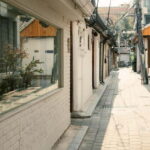
Your meeting point is 31-5 Jahamun-ro, Jongno District, Seoul. Jongno is a smart base for first-timers because it keeps you close to lots of transit links and popular neighborhoods without feeling like you’re traveling across the city for one activity.
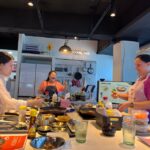
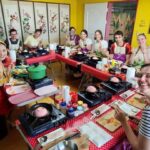
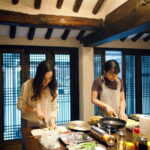
The class takes place in a working kitchen setup with clean stations built for cooking. That’s not a small detail. When your ingredients, tools, and workspace are organized, you spend less time figuring out what to do next and more time learning the method that makes the dishes taste right.
You’ll also get a mobile ticket, which is convenient. And there are morning or evening sessions, so you can fit this around palace visits, street-food wandering, or a late-night neighborhood walk.
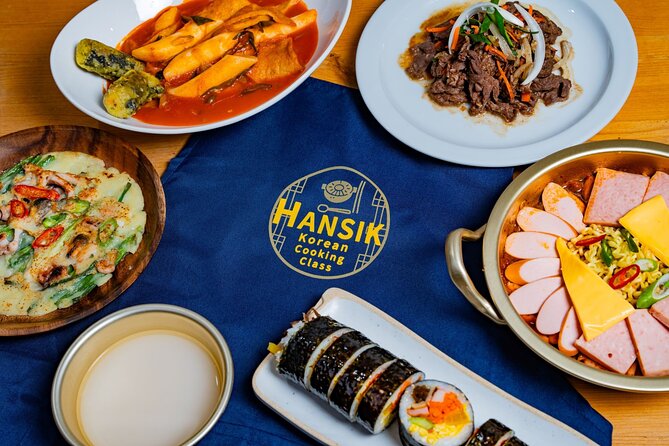
Your menu: gimbap, tteokbokki, haemulpajeon, and budaejjigae
This class centers on four Korean comfort-food staples. Even if you already like Korean food, cooking them yourself helps you understand the balance—texture, heat, and sauce style.
Gimbap (Korean rice rolls)
Gimbap is the lunch-box classic: rice plus fillings rolled into neat slices. In a home-style class, the real learning comes from getting the rice texture right and building clean rolls so your fillings stay where you put them.
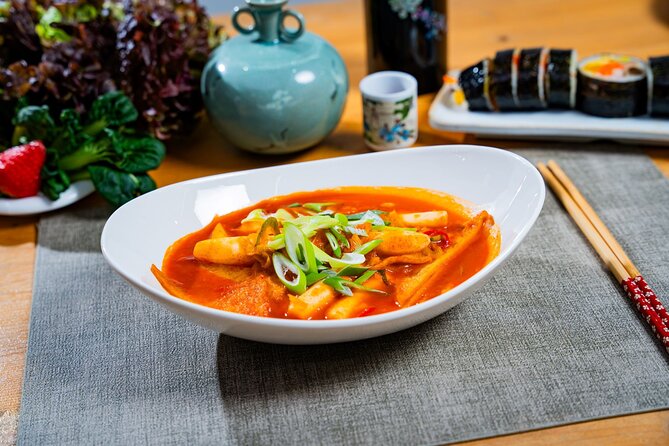
Tteokbokki (spicy rice cakes with gochujang)
Tteokbokki is all about the sauce: gochujang heat, sweetness balance, and how the sauce clings to the rice cakes. This dish also tends to be the one people adjust most, so it’s great if you like spice—or if you’d rather keep things milder.
You can also read our reviews of more tours and experiences in Seoul


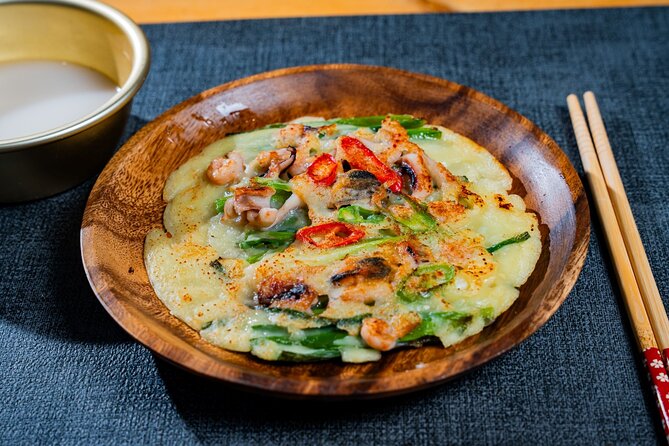
Haemulpajeon (seafood scallion pancake)
Pajeon is deceptively simple: the batter needs the right thickness and the scallions and seafood need enough coverage to cook through without going rubbery. Cooking it gives you a practical sense of when the pan is ready and how to tell it’s set.
Budaejjigae (Korean army stew)
This is the hearty, bowl-of-comfort dish—salty, savory, and built for real hunger. Learning it in a class context helps you understand the flavor base and how stew components come together as they simmer.
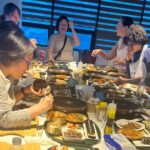
One more meal-note: you’re not just cooking these four dishes; you’ll also be served a full-course home meal with Korean tea, snacks, and dessert after the cooking portion. That turns your ticket into an actual dining experience, not only a cooking workshop.
How the class works in practice: you cook, you ask, you repeat
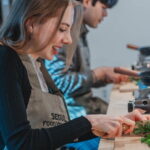
The pacing here is hands-on and supportive. Students frequently highlight the same theme: you cook everything yourself, with the instructor stepping in when you need help. That’s a big deal if you’re nervous about cooking in a foreign kitchen—because it means you don’t get stuck watching while others handle the hard parts.
A typical feel of the session:
- You’ll get guided instruction for each recipe so you understand what you’re aiming for.
- You’ll work at your own station as you prepare and cook.
- You can ask questions mid-process, rather than waiting until the end.
Jennifer is named again and again in the feedback as a host who’s both friendly and attentive. People also mention that the team is patient and helps you succeed while still letting you do the cooking. That balance is what you want: technique plus agency.
Also, you’ll get digital recipes afterward. That’s practical. If you try to recreate Korean dishes at home without written guidance, you’ll often get stuck on small details like sauce consistency or cooking time cues. Digital recipes make it easier to repeat the results.
The meal after you cook: Sikhye, Makgeolli, tea, snacks, dessert
One of the most appealing parts is what happens after the stove time. You’re served a full-course home meal, and it doesn’t stop at one or two bites.
From the details provided, expect:
- Korean tea
- Snacks
- Sikhye (a Korean rice punch)
- Makgeolli (Korean rice wine)
- Desserts
This is where the experience becomes more than instruction. By the time you sit down to eat, you’ve already made several dishes, so tasting isn’t passive—it’s feedback. You can compare how the final flavors should come together and what you did that led to that outcome.
And yes, the portions are described as generous. If you’re the kind of person who hates wasting food (or just likes having lunch tomorrow), this class has the kind of quantity that can leave you with leftovers.
Drinks, age limits, and dietary adjustments that matter
This is one of those “read the fine print so you don’t get surprised” situations, and the rules are straightforward. Alcohol (Makgeolli) is only served to travelers 21 and older. If you’re under 21, you’ll be served non-alcoholic drinks instead.
Dietary issues are also handled with flexibility. People specifically note that alternatives are offered when there are dietary restrictions or preferences. The best move for you: mention your needs at booking or at the start of the class, so the team can adapt sauces, ingredients, or recipe options before you cook.
Price and value: $89 for a real meal plus four dishes
At $89 per person for about 3 hours, this isn’t a “cheap snack class.” But it also isn’t overpriced for what you get. You’re paying for:
- a small group setting (max 10)
- real instruction while you cook four dishes from scratch
- a meal spread after class, not just tastings
- drinks and dessert included
The most important value driver is time and effort. Three hours is long enough to actually learn technique and cook multiple items, and small-group size means you’re not waiting your turn for help. Combine that with the digital recipe follow-up, and you get something you can use again back home.
In short: you’re buying a Korean home-cooking experience with food outcomes. If you enjoy hands-on learning and you like eating what you cook, it’s a solid deal.
Who this class is best for (and who should choose another plan)
This works especially well for:
- Food lovers who want Hansik technique, not just photos
- People visiting Seoul who want a break from sightseeing and want something calmer
- Families—there are mentions of kids around 10–12 actively joining in
- Couples who like shared activities and a big meal afterward
If you’re someone who wants quick, minimal participation, this may feel like more than you planned. You’ll be cooking, tasting, and spending the full 3 hours at the kitchen. And if you’re extremely sensitive to spice, you’ll want to communicate that early so tteokbokki and stew can be adjusted.
Planning notes: timing, weather, and how to not overbook your day
You can choose morning or evening sessions, which helps if you’re juggling palaces, markets, and neighborhood hopping. Because you’ll eat a full-course meal during and after class, don’t schedule a heavy dinner right afterward—save room.
Also, the experience requires good weather. If it’s canceled due to poor weather, you’ll be offered a different date or a full refund. It’s smart to keep your schedule flexible around your chosen time slot.
Should you book this Hansik cooking class?
If you want a Seoul activity that’s both fun and practical, this is a strong choice. The biggest reasons to book are simple: you cook four major dishes, the teaching is patient and organized (with Jennifer leading many classes), and you leave full with food and leftovers, plus digital recipes you can actually use later.
I’d book it if you come hungry, like learning by doing, and you want a small-group experience in the heart of Seoul. Pass or look elsewhere if you only want a light tasting, dislike cooking, or you prefer activities that don’t involve a full meal.
FAQ
How long is the Seoul Taste of Korea home-style cooking class?
It runs for about 3 hours.
What dishes will I learn to cook?
The class covers four home-style Korean dishes: gimbap, tteokbokki, haemulpajeon, and budaejjigae.
Does the class include food to eat, or only cooking?
You’ll cook during the class and then be served a full-course home meal, along with Korean tea and snacks, Sikhye, Makgeolli, and dessert.
Is there alcohol in the class?
Makgeolli is served for travelers age 21 and above. Minor travelers under 21 will be served non-alcoholic drinks.
How big is the group?
The class has a maximum of 10 travelers.
Where do I meet for the class?
The meeting point is 31-5 Jahamun-ro, Jongno District, Seoul, South Korea. The activity ends back at the meeting point.
Do I get recipes after the class?
Yes. You receive recipes digitally after the cooking session.
What if I need to change plans at the last minute?
You can cancel for free up to 24 hours in advance for a full refund. If canceled less than 24 hours before the start time, the amount paid will not be refunded. If weather is poor, you’ll be offered a different date or a full refund.